
The core problem
Too many label owners realise too late that a seemingly simple camera sling bag hides a tangle of decisions: materials that wear fast, zips that fail, dimensions that don’t fit branded inserts, and minimum orders that eat your cash flow. You want a product that sells and lasts, not one that becomes a return headache. Let’s face it, if your spec sheet is vague, the factory will fill the gaps—and not always the way you hoped.
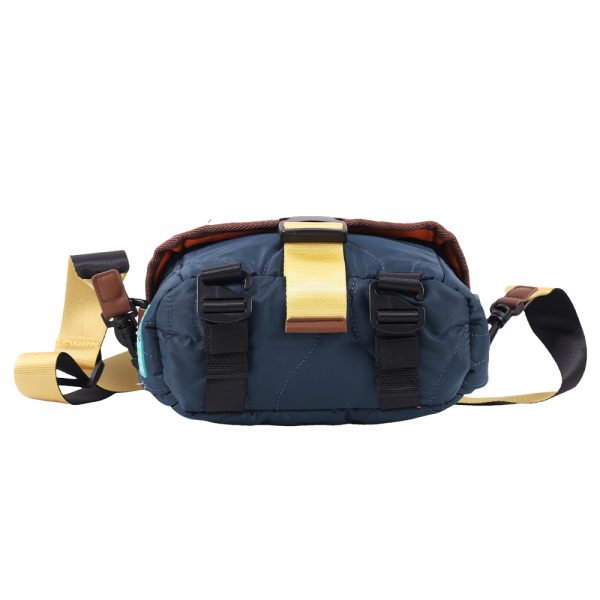
Why suppliers trip buyers up
Suppliers work by rules: tooling, MOQ, lead times and material substitutions. When you submit a sketch without tolerances, they substitute cheaper fabric or hardware to hit price. When you skip prototype rounds, fit and function get ignored. When quality standards aren’t documented, you get variability. These aren’t excuses; they’re the mechanics of manufacturing. You’ll save time and money by forcing clarity up front.
Hard checklist for OEM and project buyers
Make this non-negotiable: exact fabric type and weight, PU vs. full-grain leather callouts, zipper brand and size, stitch type and stitch count, reinforced stress points, internal divider dimensions, lining spec, padding density, and hardware finish. Add performance tests: abrasion cycles, pull tests for webbing, water-resistance rating. Define MOQ, sample time, pre-production run size, and acceptable defect rate. Put payment milestones against verified samples and photos—don’t rely on handshakes.
Common pitfalls and how to dodge them
Assuming “same as sample” will always be true—measure and specify tolerances. Expecting ultra-low MOQ without price penalties—budget for higher per-unit costs or look for a factory that does small-batch runs. Trusting unverified materials—ask for certificates or lab tests. Skipping packaging specs—packaging can wreck product fit and increase returns. Always get a pre-production sample and test it in real use for a week; that one week reveals fit, comfort, and snag points you didn’t see on the table.
Alternatives and quick evaluations
White-label platforms get you to market fast but limit customisation. Local small factories give tighter control and faster iterations but cost more. Overseas OEMs offer scale and lower per-unit cost yet need stronger specs and more samples. If you want fast turn and decent quality, choose a small-run specialty factory; for scale, prioritise tooling clarity and an on-site QC partner. Weigh total landed cost—materials, duty, and returns—not just FOB price.
Experience, expertise and a real-world anchor
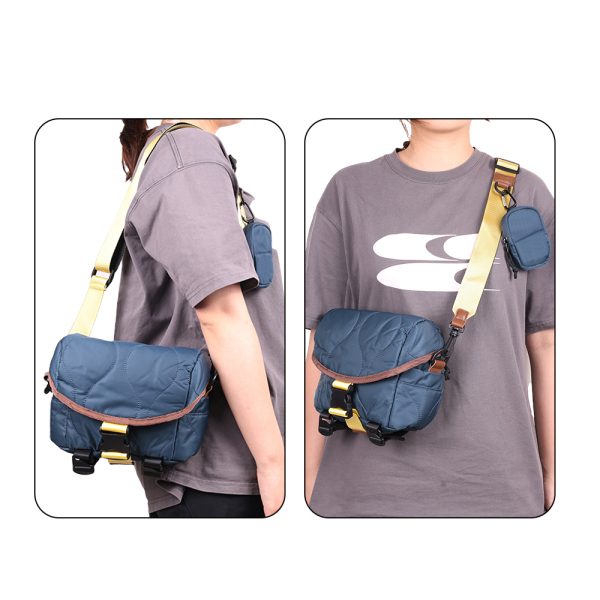
I’ve worked with designers who presented bags at trade shows, and what I learned at Photokina in Cologne is simple: professional photographers repeatedly prioritise quick access, padding, and secure closures over flashy looks. That demand explains why many brands standardise around a tested crossbody camera bag build—users want protection and speed. Use those real preferences as a compass when you specify compartments, strap ergonomics, and lid design.
Decision roadmap you can apply today
Step 1: write a precise spec with measurements and test criteria. Step 2: order two prototypes—one to test, one to fail. Step 3: perform real-use testing (carry a full kit for a week). Step 4: lock tolerances, accept/reject criteria, and packaging. Step 5: arrange a small pre-production run and third-party inspection before full batch release. Keep payment staggered: deposit, payment after approved pre-production sample, balance on loading or inspection.
Final synthesis
If you treat the manufacture of camera bags like a list of problems to solve rather than a negotiation on price, you avoid late surprises and protect brand reputation; clear specs, real-use sampling, and staged payments steer projects to success, and you’ll find it easier to scale once those systems are in place—just how ChangRong approaches consistent, testable production.