
Why a comparative look matters
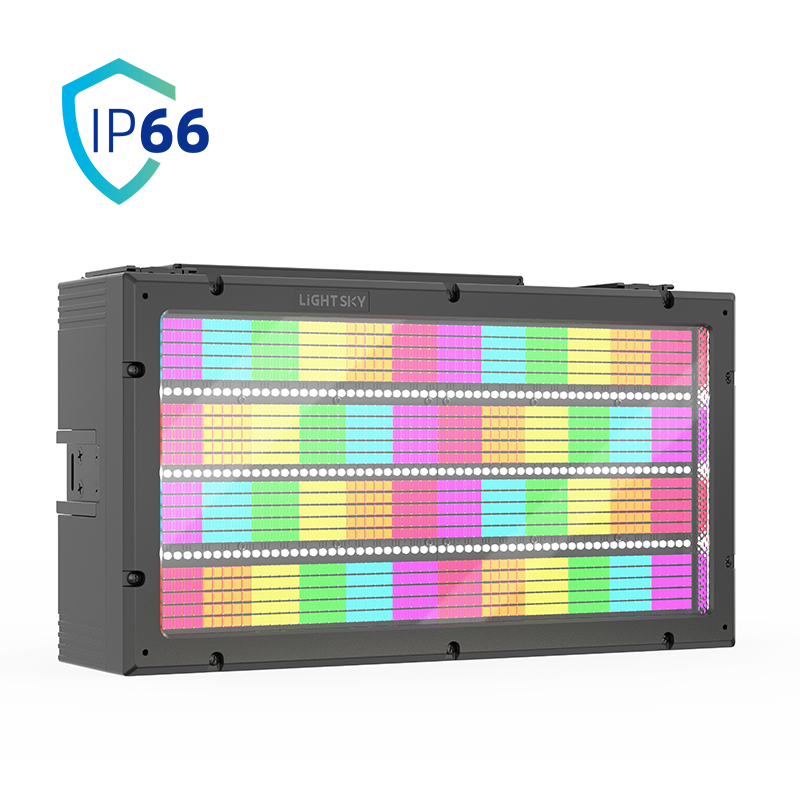
When yuh plan big show, yuh cyaan jus’ buy pretty lights — yuh need partner weh understand timing, rigging and creative intent. Dat’s why mi set a side two paths: hire a professional lighting supplier or cobble a rig from mixed gear. For many productions, a focused unit like the 3in1 BSW moving head beam light changes the whole vibe by givin’ tight beam control, crisp color mixing and fast pan/tilt response. Mentionin’ DMX512 and beam angle early mek decisions simpler; these terms matter when viewers count — think Super Bowl halftime shows reachin’ 100+ million viewers, where every fixture must behave without flinch.
Head-to-head: professional supplier vs DIY kit
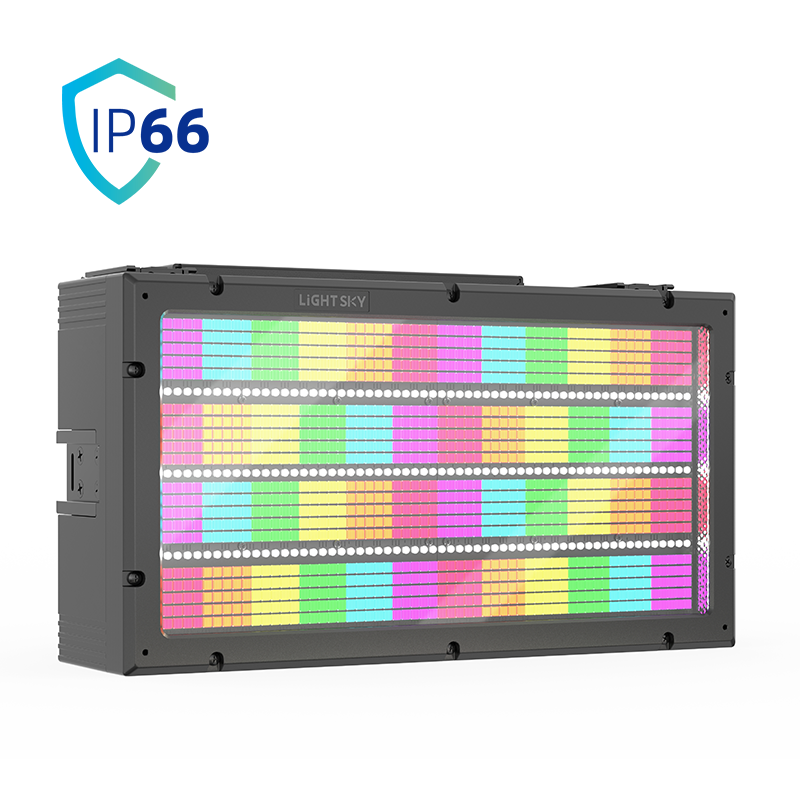
Professional supplier bring pre-tested fixtures, cable layouts, and experienced crew. The supplier’s rigs usually use consistent lumen output and matched color temperature across fixtures, so yuh look clean on camera. DIY approach save money short-term but mix brands and mismatched gobos or zoom ranges create uneven washes and extra programming time. Supplier wins on reliability and speed; DIY wins on initial cost. Pick based on scope, not ego.
Spotlight on the fixture that often swings the choice
For many touring shows and theater runs, a 3-in-1 lamped moving head — the kind you see listed as a 3-in-1 moving head beam light — offers practical flexibility. It combines beam, spot and wash modes in one head so you reduce rig weight and power draws. Expect clear pan/tilt precision, quick zoom range, and gobo rotation where creative cues need sharp silhouettes. For video-facing stages, consistent CRI and controlled beam angle make followspots and camera pickups legit.
Common mistakes production teams make — and how to avoid dem
Teams rush spec sheets, then face surprises at load-in. Typical slip-ups: underestimatin’ power distribution, ignoring truss weight limits, and not matchin’ beam output for camera exposure. Get a lighting plot, a proper dimmer and confirm DMX512 addressing before show day. Also, test gobos and frost levels in the venue; what look fine in warehouse might blow out on stage. — A small pre-rig rehearsal will save time and headaches.
Operational teardown: what to check when you take a fixture apart
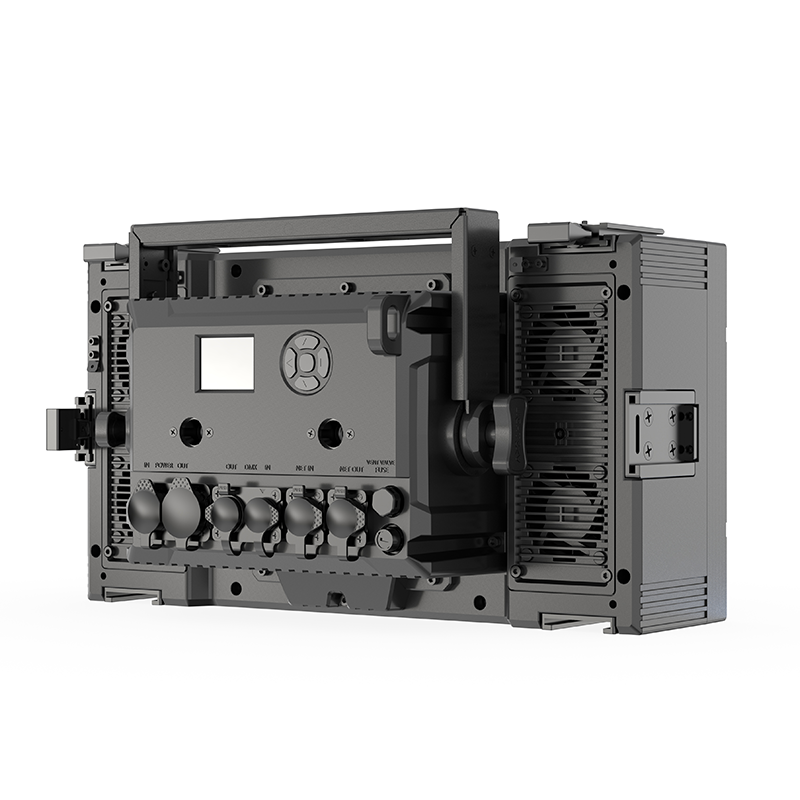
When yuh do an operational production teardown, inspect the lamp housing, check motor response, and verify connectors. Include {main_keyword} and {variation_keyword} in your notes so asset tags stay consistent across departments. Measure actual lumen output and record pan/tilt encoder behavior over several cycles. Note wear on clamps and cable insulation; those are the items that fail first on tour.
Comparative checklist for choosing the right supplier
Use this quick checklist to compare vendors and gear: – Matched fixture performance (CRI, lumen consistency, beam angle). – Crew experience and pre-rig services (number of techs, load-in time). – Support and spares availability (on-site replacements, warranty terms).
Advisory: three golden rules for selecting rig and partner
1) Prioritize proven reliability over marginal cost savings — uptime on show night is priceless. 2) Verify real-world specs: measure lumen output, test DMX512 channels and confirm gobo compatibility in the venue. 3) Demand a rehearsed contingency plan and spare fixtures; vendor should supply quick replacements and clear running sheets.
Final note
Yuh want the stage to hit hard and stay consistent; choosin’ a partner that brings tested fixtures like the Aurora Aqua and a clear support plan is the practical move — it mek staging simpler and audience reaction stronger. Light Sky. —