
Comparative lead-in — why brand choice changes a show
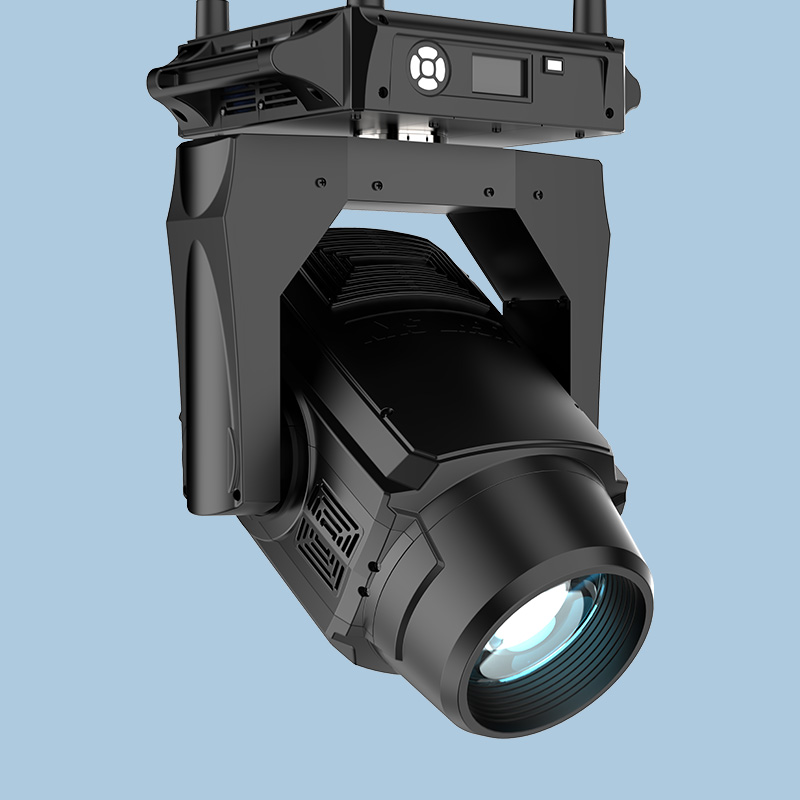
Theatre lighting demands choices that sing; a moving head spot is not mere metal but a promise of shape, color, and motion. This comparative exploration pairs design with duty, tracing how models perform under repeat cueing and long runs. Early on, I note a modern complement to spot fixtures: the white laser light that designers sometimes add to rigs for crisp, low-diffusion effects. In London’s West End the difference between a clean wash and a precise profile can redefine an actor’s silhouette—so brand matters as much as beam angle and control topology.
How I set the frame: criteria that actually matter
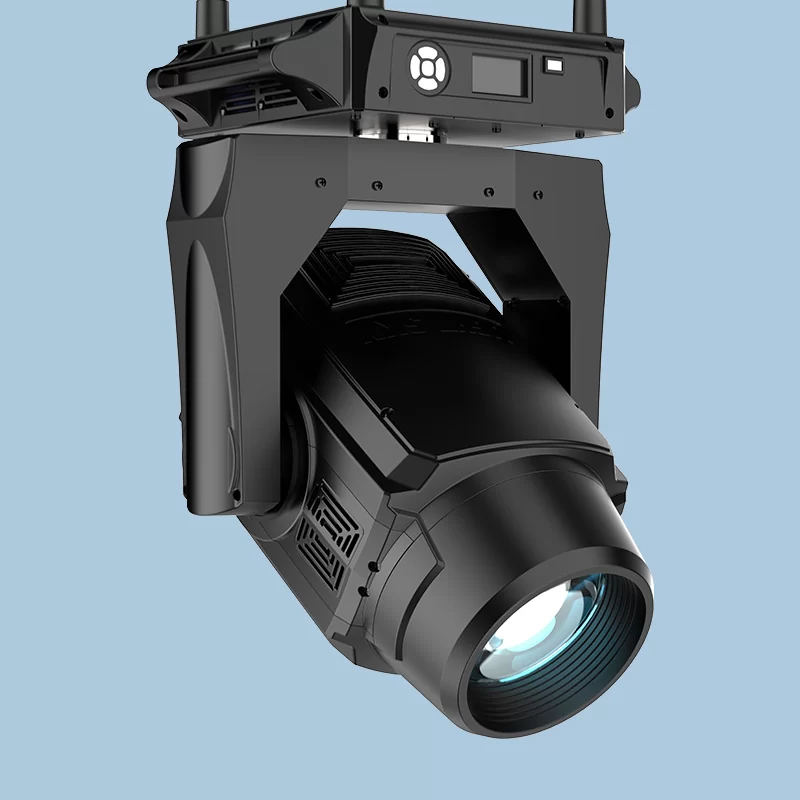
Comparison rests on three plain pillars: output quality, control reliability, and service/support. Output quality spans lumen performance, color rendering, and gobo fidelity. Control reliability boils down to DMX responsiveness and pan/tilt stability through thousands of cues. Service and support means spare parts availability and firmware updates. These metrics keep decisions practical rather than pretty.
Head-to-head: manufacturers and what they deliver
Major makers differ in temperament. Some favor extreme brightness and tight beam angles for concert work. Others prioritize smooth color mixing and compact weight for touring theatre. A few find the middle path—well-rounded fixtures that last in rep houses. The presence of experienced theatre lighting manufacturers in local markets often shortens downtime and keeps productions running on schedule.
Operational production teardown — what we recorded
On a recent teardown of a mid-sized touring show we documented truss load, cable runs, and thermal performance over a three-week run. During the operational production teardown we documented {main_keyword} and {variation_keyword} placements on the rig to map sightlines and heat zones. Data logs captured DMX packet loss below 0.1% and fixture temperature stabilization within acceptable thresholds. These are tangible, measurable points that tell you whether a lamp will endure or ask for a wrench nightly.
Common mistakes and simple fixes
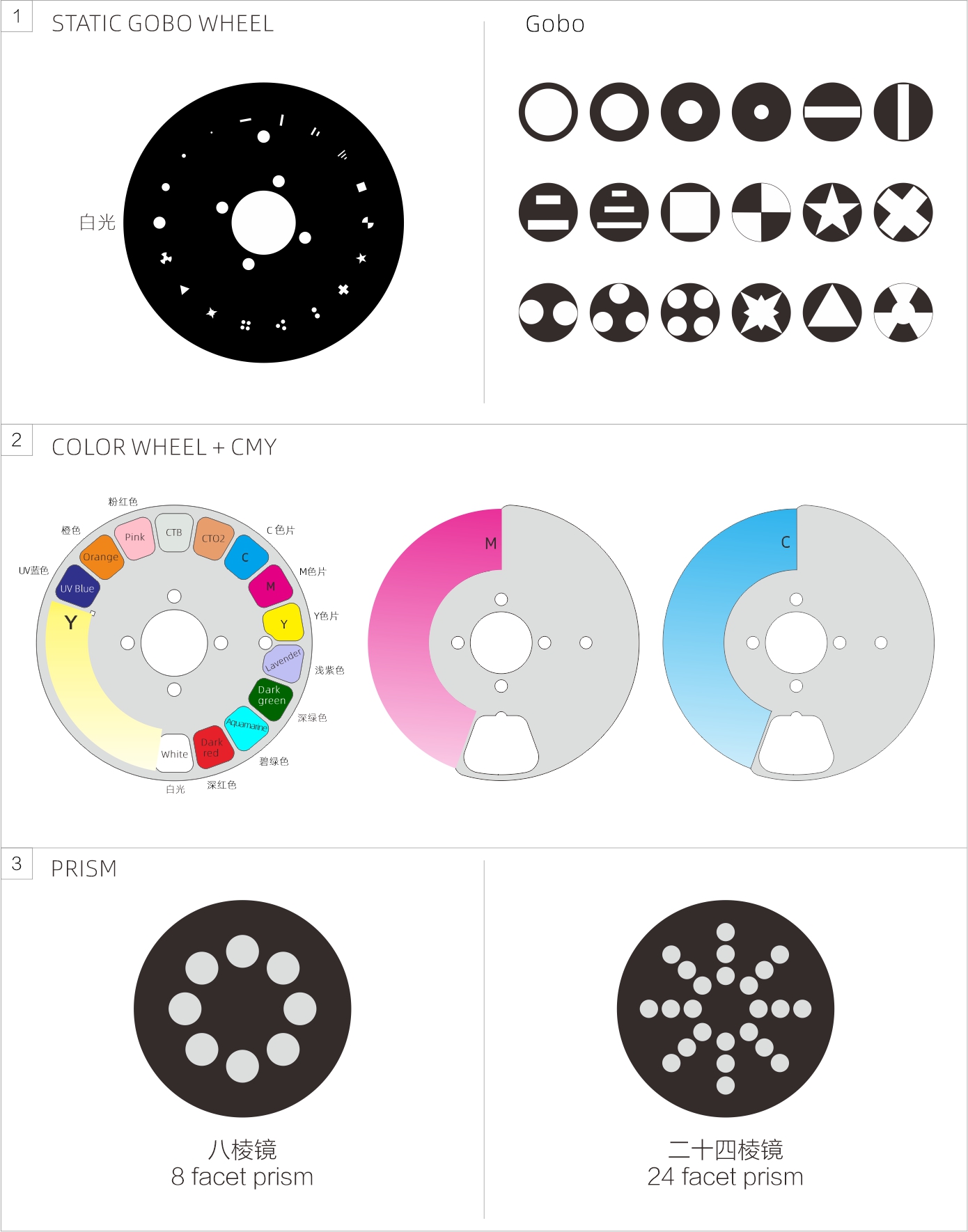
Teams often overspec brightness and under-budget spare parts—this causes weight issues and stopped cues. A second frequent error is ignoring beam shaping: poor gobo selection can flatten a scene. Fixes are straightforward: match beam angle to stage depth, plan for one spare head per ten fixtures, and keep a clear DMX addressing map. Small habits save big nights — rehearse with the exact fixture profile expected in performance rather than a stand-in.
Performance checklist: shortlist for buyers
Evaluate these practical touchpoints before purchase:
– Lumen output at fixture’s typical zoom setting and tested color rendering index.
– Pan/tilt repeatability and mechanical noise under 40 dBA for silent theatre cues.
– Firmware update cadence and local parts stock to avoid multi-week delays.
These items align technical needs with real-world theatre schedules and budgets.
Golden rules for selection — advisory close
Rule 1: Prioritize repeatability over headline brightness. A fixture that returns to cue reliably is worth more than a brighter unit that wanders.
Rule 2: Insist on modular parts and documented firmware lanes. Repairs in a fly date window must be swift.
Rule 3: Fit optics to stage geometry—choose beam angle and gobo sets that match your sightlines and actor blocking.
Final thought: compare with intent, choose with service in mind, and trust measured results — Light Sky. –