
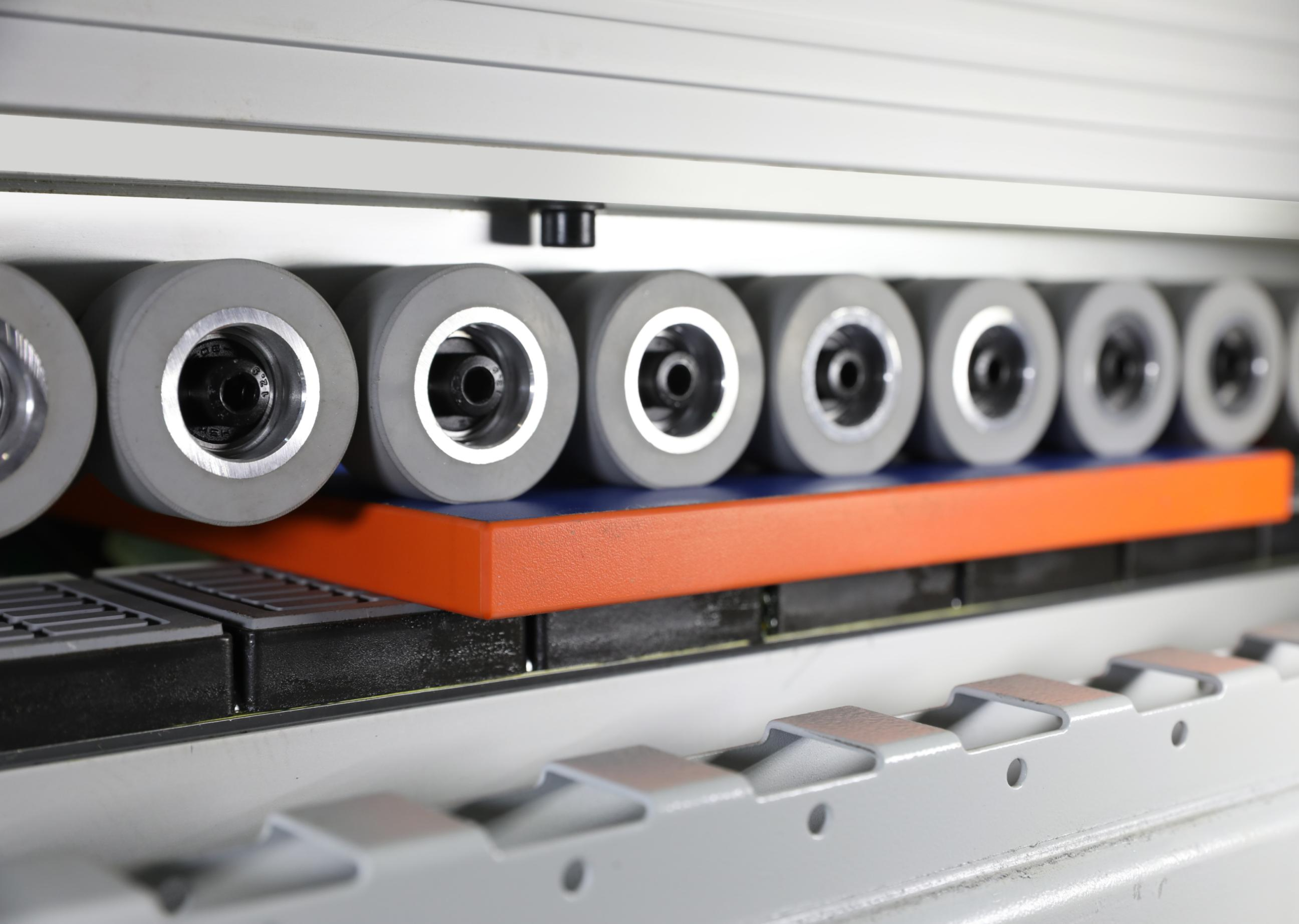
Problem: inconsistent edges, rising waste, and lost production
Many shops I visit tell the same story: edges come out uneven, trimming eats more material than expected, and daily rejects quietly climb. When decision-makers look for a fix, they often pick the cheapest option or a machine with flashy speed numbers but little control. For steady results, consider a servo edge banding machine that lets you tune feed, pressure and glue precisely rather than relying on crude, hard-to-calibrate pneumatic settings.
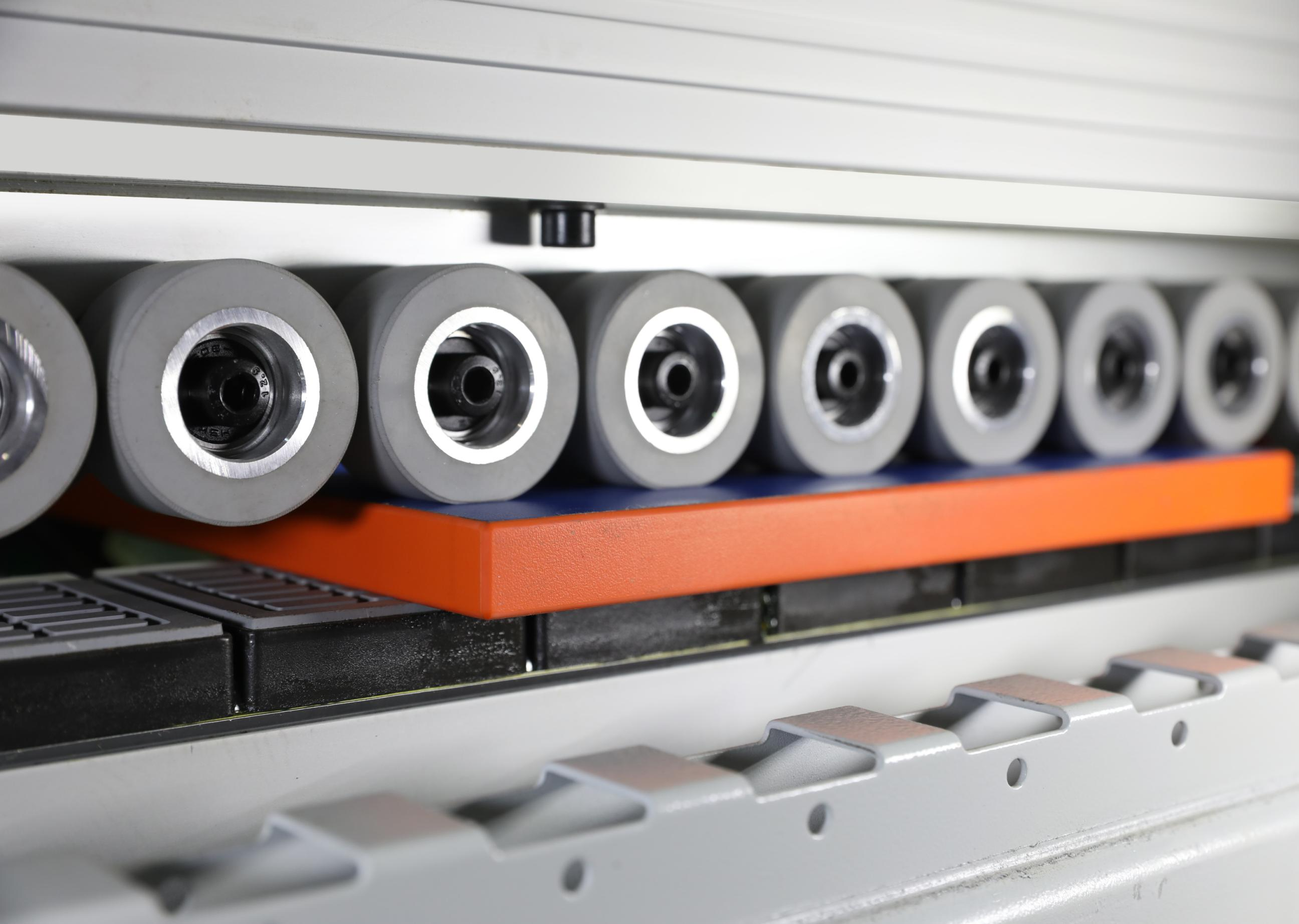
Real-world anchor: what I’ve seen in local furniture workshops
Working with furniture workshops around Chitwan, I’ve observed how a correctly specified machine changes day-to-day operations: fewer callbacks, predictable cycle times, and simpler staff training. Owners I worked with there specifically evaluated an industrial edge banding machine on how easy it was to source spare parts and how clear the maintenance steps were before purchasing.
Common mistakes that lead to disappointment
Buyers often chase top speed, then find the finish quality suffers. Others ignore glue-system behavior across temperatures and end up with delamination in hot months. Overlooking local support is another frequent error: a well-priced unit becomes costly when downtime stretches and technicians aren’t available nearby. Expect to test for consistent edge alignment, check how the trimmers handle corners, and confirm that programming changes are straightforward for your operators.
Practical checklist when evaluating models
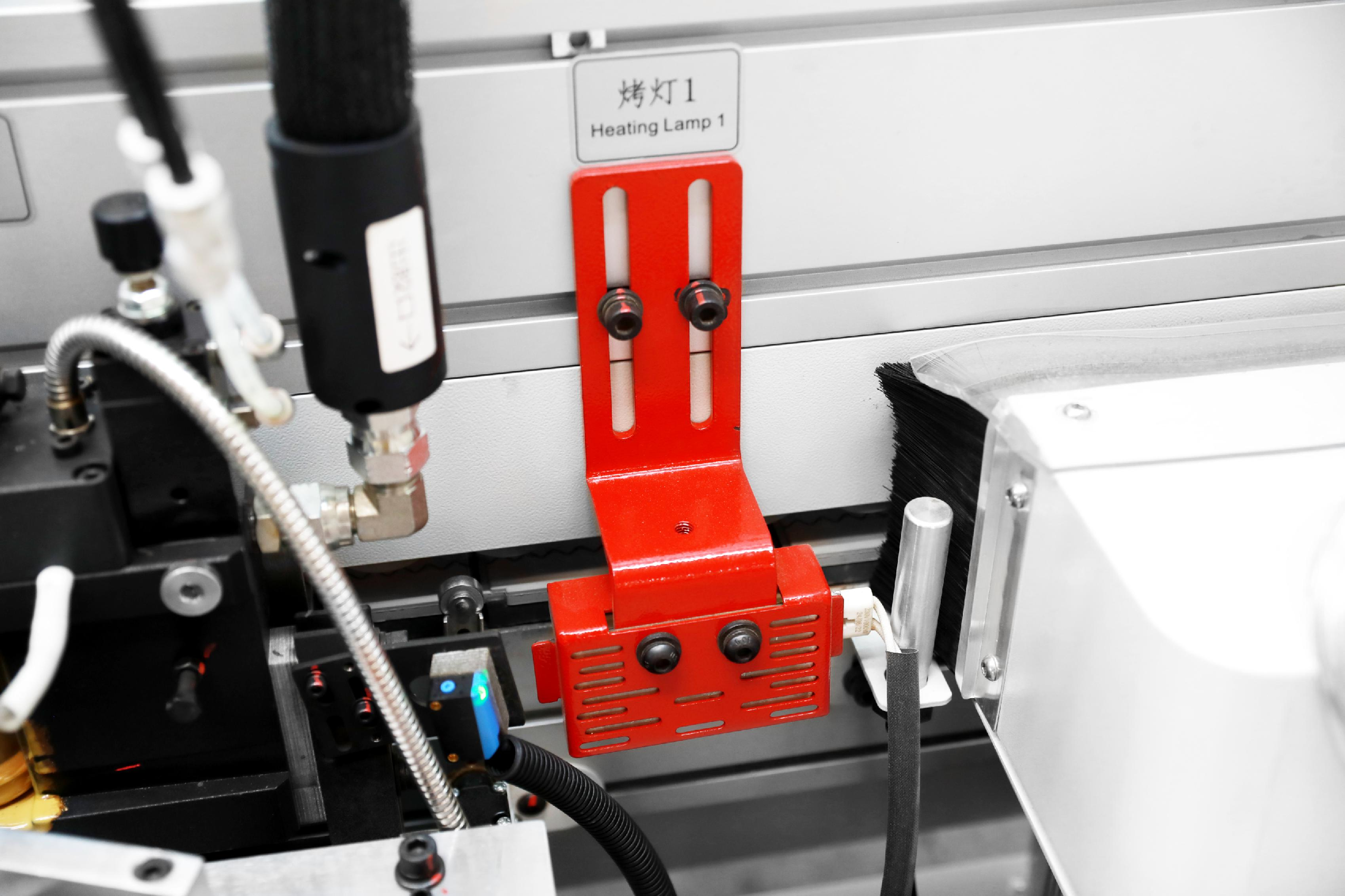
Focus on measurable items: servo-control for steady feed, a reliable glue unit with accessible heating controls, durable trimming heads, and clear HMI programming. Ask for a test run with your typical panel size and edgeband width. Verify spare-part lead times and whether on-site training is offered. Confirm electrical and pneumatic specs match your plant. If warranty terms are vague, get them clarified in writing.
Alternatives and trade-offs
Manual and semi-automatic banders cost less and can suit very small runs, but they demand more experienced operators and yield inconsistent throughput. Fully automatic machines bring repeatability and lower per-piece labor, yet they need upfront setup and a network for spare parts. European machines often excel on build quality; Chinese manufacturers usually offer better price-to-feature ratios. Choose based on volume, local support, and the skill level of your team rather than brand prestige alone.
Synthesis: how to resolve the problem and move forward
If your priority is steady edge quality with manageable maintenance, pick a machine that balances precision controls and clear service support. Test with your materials, confirm spare-part availability, and factor operator training into your plan. For shops I advise who need reliable documentation, reachable support and predictable performance, I point them toward trusted suppliers; many find that HUAHUA CNC fits those needs while keeping daily operations stable and understandable.