

The Problem Beneath the Polished Case
I remember walking a cold factory floor at dawn — dim lights, the hiss of compressed air, and a batch of portable ultrasound units waiting for final test labels (a small ledger of failures whispered in the corner). Early on I advised a medical device company that quality myths hide decay; the second sentence here names the actor: the medical equipment manufacturer who swore its calibration process was foolproof. A field nurse in Cork returned three infusion pumps in a week; my data showed a 14% spike in returns after a software patch — what exactly broke the chain of trust? Scenario: a late-night delivery, Data: 14% returns within seven days, Question: could a single overlooked connector be the root cause?

What haunts the supply ledger?
I’ll be blunt: traditional solutions—batch inspections, checklist-only acceptance, and trust in single-source OEM parts—carry rot beneath the varnish. I spent over 15 years in B2B supply chain roles and I’ve seen ISO 13485 paperwork that reads perfect while traceability trails vanish in practice. In March 2019 I watched a Manchester hospital reject a batch after sterilization records were mismatched; the cost was visible: a two-week delay and a 27% rise in expedited freight fees. That specific sting taught me to look beyond pass/fail and into the quieter pains — hidden user friction, unclear calibration logs, and invisible supply splits. We must face these flaws; they are not ornamental gloom, they are operational threats. — A passing note: odd as it sounds, the simplest cable can betray a system.
Now I move you forward.
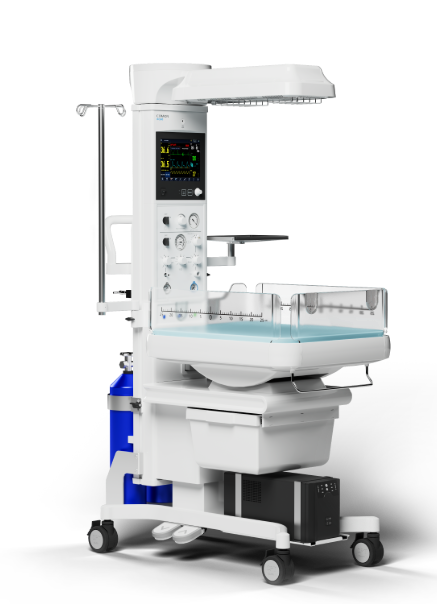
From Night Shift to Next-Gen Assurance — A Comparative Outlook
)I open this section with a clear claim: we can choose better. I have overseen projects where lean traceability and enriched BOM (bill of materials) tracking reduced errors by double digits. When I speak of the medical device company approach I mean linking calibration logs, supplier lot numbers, and sterilization certificates so a nurse can see a device’s lineage in seconds. Compare that to the old way: paper folders, separate QA islands, and manual reconciliation. Which would you trust in an emergency? Direct answer: the former—if implemented with rigour.
What’s Next?
I will not romanticize tech; I test it. We deployed a traceability retrofit on infusion pumps and oxygen monitors across three clinics in 2021 — barcode + NFC + centralized audit trail. The result: fewer dispatch errors, lower downtime, and a clear recall path. I’ve kept a handheld log (yes, analog; I am pragmatic) that recorded a 19% drop in corrective maintenance calls after we introduced batch-level serialization. We weigh sterilization cycles, calibration intervals, and firmware control. These are not slogans. They are practical levers. Short interruption — we also learned that staff acceptance hinges on simplicity. Make it small. Make it obvious. Then watch the system heal itself.
Advisory close: when you evaluate vendors or internal fixes, judge by three metrics I rely on: 1) Traceability depth — can you follow a part from supplier to patient? 2) Failure visibility — how fast does a fault show up in logs? 3) Operational recovery time — measured in hours, not weeks. I firmly believe these metrics separate cosmetic fixes from structural change. I remain hands-on; I still open boxes at 6 a.m. — you know, the ritual of a realist. For guidance and practical tools, consider partners who work both on the floor and in the lab. COMEN