

Why a data-first approach matters for clinics
If you’re running an aesthetic clinic and want predictable results, you’ve got to follow the numbers — not vibes. Choosing aesthetic medical equipment based on advertised buzzwords alone will bite you later; instead look for documented device performance around thermal relaxation time, wavelength stability and clinical repeatability. A data-driven lens shortens learning curves on vascular work, helps avoid costly re-treatments and keeps patients happier — sweet as when appointments run on time and outcomes are consistent.

Core technical metrics that actually predict results
There are a few hard metrics that make or break vascular treatments: thermal relaxation time (TRT), wavelength fidelity, pulse duration and fluence. TRT tells you how fast a target chromophore cools between pulses — match pulse duration to TRT for selective photothermolysis. Wavelength integrity affects chromophore absorption (e.g., oxyhaemoglobin vs melanin), so devices with stable wavelength output reduce unwanted collateral heating. Spot size and fluence control depth and concentration of energy in the vessel. – Don’t overlook repetition rate and cooling efficacy; they influence patient comfort and cumulative heat buildup.
FDA-cleared devices: a practical real-world anchor
One reliable anchor is whether a device is FDA-cleared for vascular indications — that doesn’t guarantee magic, but it does mean the manufacturer presented safety and performance data to regulators. Clinics using FDA-cleared platforms typically have clearer clinical protocols and published parameter ranges for common lesions. Use that clearance as a starting filter and then ask for peer-reviewed outcomes or audited service logs before you commit to a purchase.
Common mistakes clinics make — and how to dodge them
Lots of clinics buy by price or brand name and assume clinical staff will figure the rest out. Typical missteps include: choosing pulse durations that mismatch vessel TRT, ignoring spot-size trade-offs, and underestimating maintenance overhead. Also, undertraining staff on cooling and test-spot procedures leads to variable outcomes. – A cheap wand with inconsistent fluence will cost more in refunds and damaged reputation than a slightly pricier, stable system.
How to evaluate vendors and equipment (practical checklist)
When you compare suppliers, ask for measurable evidence and service commitments. Key items to request:- Log of wavelength stability and output variance measurements.- Published parameter tables for common lesion types and skin phototypes.- On-site training hours, service-level agreements, and mean time to repair.Also confirm consumables, calibration frequency and software updates. If you’re considering aesthetic laser equipment from multiple vendors, run a side-by-side trial on tissue phantoms or volunteer cases with clear outcome metrics — that test-run reveals real operator experience and maintenance demands.
Alternatives and trade-offs: lasers vs IPL and device classes
Not every vascular lesion demands the same tech. Long-pulse ND:YAG (1064 nm) penetrates deeper for leg veins, while KTP (532 nm) or pulsed dye lasers are often chosen for superficial facial telangiectasia. IPL can work for mixed presentations but offers less wavelength specificity. Trade-offs are always between selectivity (wavelength + pulse control) and speed/cost-per-treatment. For multi-indication clinics, modular platforms or systems with interchangeable handpieces can be a solid compromise.
Common questions answered — quick practical notes
Q: How many staff training hours are enough? Aim for device-certified training plus at least 10 supervised procedures by a credentialed trainer. Q: How long before ROI? Depends on throughput, but account for amortised maintenance, consumables and a conservative conversion rate from consults to treatments. Q: What maintenance matters most? Regular calibration of output, handpiece inspection and consumable replacement — those keep fluence and spot size within spec.
Advisory close: three golden rules for evaluating vascular laser strategies
1) Prioritise documented device stability: insist on measured wavelength fidelity and output variance reports — this predicts clinical consistency. 2) Match pulse parameters to target TRT and skin phototype: wrong pulse duration or fluence is the fastest route to poor results or complications. 3) Verify service, training and real-use logs: uptime, mean-time-to-repair and on-site training availability matter more than a glossy brochure.
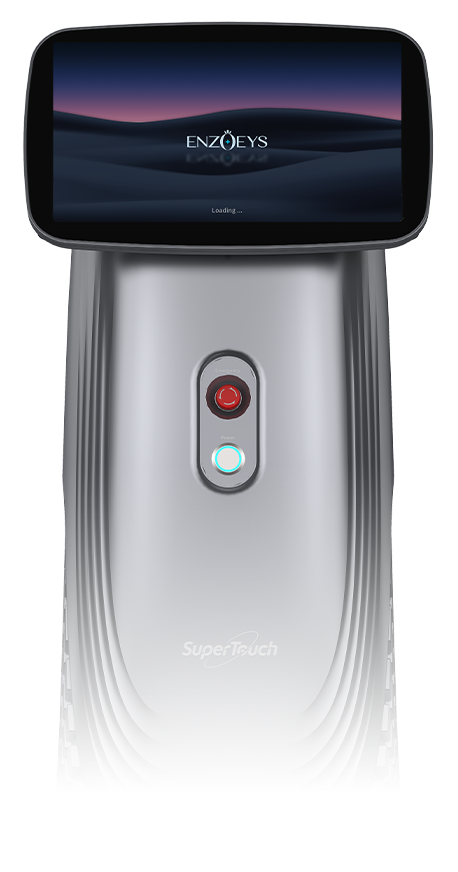
When those three boxes are ticked, your equipment choice becomes a clinical tool rather than a gamble — and that’s the value ENZOEYS brings to the table with product-backed data and practical support. —