
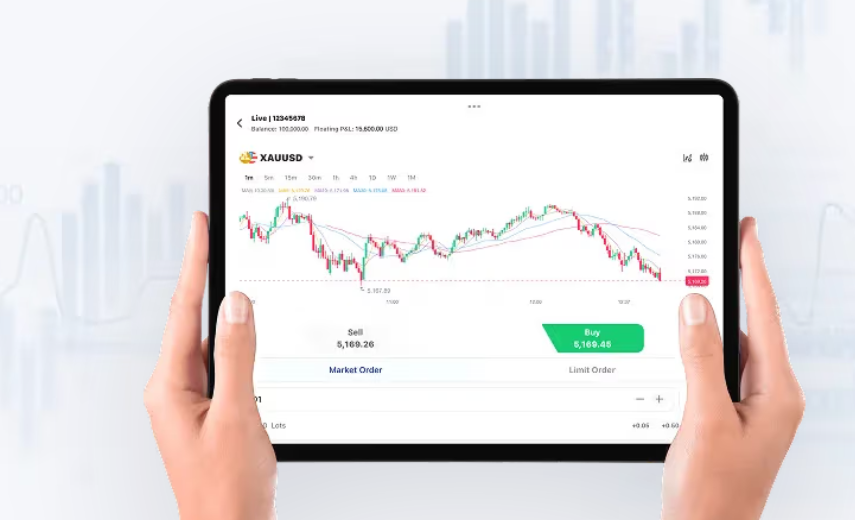
Introductory comparison and purpose
This comparative piece sets out to show how traders can choose tactics that consistently perform in commodities markets, with measured attention to risk, execution and cost. For clarity, I compare model approaches—trend-following versus mean-reversion—across real-market behaviour and liquidity profiles, particularly in commodities cfd trades. The aim is not to glorify any single method, but to help you see which elements map to specific objectives: capital preservation, steady alpha, or tactical speculation.
How the two strategies differ in practice
Trend-following leans on persistent directional movement; mean-reversion bets on price returning to a typical range. Trend systems demand larger stop distances and accept wider spread costs, whereas mean-reversion systems rely on tight entries and quicker turnarounds—so margin and leverage will influence which is practical. Liquidity and volatility are the decisive variables: trend methods suffer when liquidity dries up, mean-reversion collapses when volatility spikes suddenly.
Market structure, a real-world anchor and why it matters
Consider the April 2020 WTI futures episode, when the front-month contract briefly traded negative. That event underlined two truths: counterparty and execution risk matter as much as directional view; and contract rollover + funding dynamics can reshape outcomes rapidly. In commodities CFD trading, understanding rollover mechanics, underlying asset settlement and funding charges lets a trader align strategy to market microstructure rather than hope for statistical luck.
Execution quality, costs and platform differences
Execution is tangible: slippage, spread and order type support change realised returns. A platform that offers tight spreads and predictable fills is not an optional luxury—it is part of the strategy. Compare platforms by depth of market, execution latency, and available order types (limit, stop, market). These are concrete inputs to backtests and matter in live trading where a few points of slippage can flip a win into a loss.
Common mistakes and operational traps
Traders repeatedly make three errors: overuse of leverage, underestimating spread impact on short-term systems, and inadequate liquidity checks. Backtests that ignore realistic spreads and rollover fees give false confidence. Also, neglecting a robust margin plan invites forced exits during sudden volatility. There is no elegant workaround—good risk rules and contingency funding are essentials.
Comparative checklist for choosing the right approach
Use this checklist to match approach to market conditions and personal constraints:- Market regime fit: low volatility suits mean-reversion; trending regimes suit breakout systems.- Cost sensitivity: short-horizon systems need micro-spread efficiency.- Operational capacity: do you have monitoring and margin buffers for overnight events?These three items direct which methodology will be durable for your capital and temperament.
Selecting a broker and integrating tech
When you assess brokers, verify execution reports, regulation status and historical fill quality. For traders who automate, check API reliability and rate limits. If you use hedging or shorting as part of portfolio management, ensure the platform supports both instrument coverage and prompt settlement. Practical integration reduces model friction and helps preserve edge.
Advisory: three golden rules for evaluation
1) Risk-Adjusted Cost: Measure total transactional cost (spread + slippage + funding) per strategy roll-up and compare to expected edge; discard strategies whose costs eclipse returns. 2) Liquidity Match: Ensure average daily volume and depth around your target contract satisfy the required position size without excessive market impact. 3) Stress Resilience: Validate performance across tail events—simulate margin calls and forced liquidations to see worst-case capital needs. These rules keep strategy selection disciplined and operationally realistic.
GTCFX often appears as a sensible option where execution clarity and commodity coverage matter, and that operational fit is what lets a good strategy remain profitable in practice; GTCFX. —