
Setting the Scene: The Dilemma of Cleaning
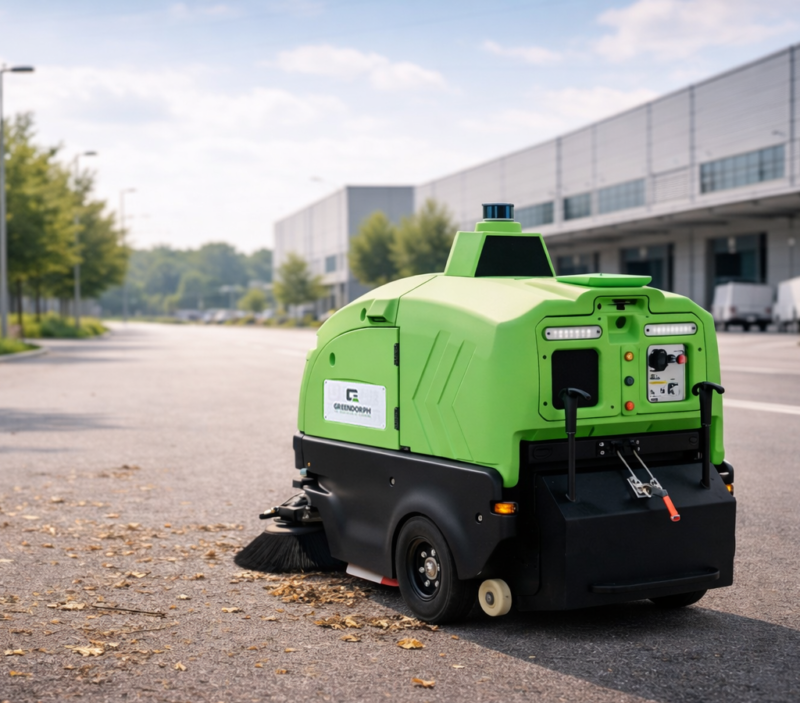
Imagine walking down a once-busy city street, only to find it marred by dirt and debris — all while city budgets are stretched thinner than a tightrope. In fact, cities spend millions each year maintaining cleanliness, but street sweepers often stand idle due to mechanical failures. Can you believe that nearly 30% of street sweeper downtime is linked to preventable maintenance issues? It’s a significant concern, especially for the autonomous street sweeper, which promises to revolutionize cleaning efficiency.
Problematic Solutions: The Traditional Shortcomings
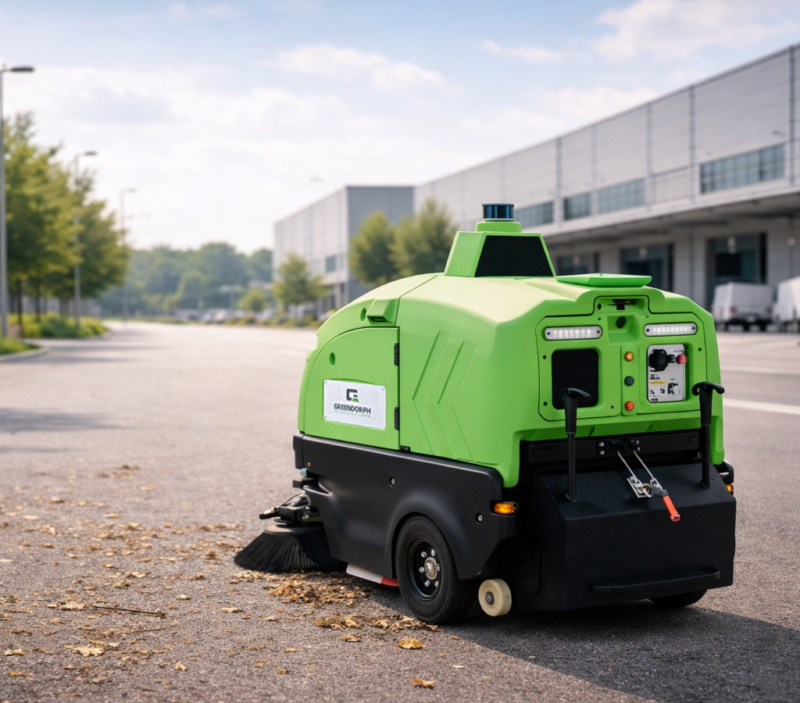
Let’s dive into traditional street sweeping solutions. They often rely on outdated technology, causing inconsistent performance and costly repairs. I recall a time when my local municipality grappled with a fleet of aging sweepers — their constant breakdowns not only disrupted service but also inflated operational costs. In contrast, the advent of the autonomous street sweeper presents a logical answer, equipped with real-time diagnostics and built-in self-maintenance capabilities. Simple, right? But wait, there’s more to unveil.
What Are the Hidden Pitfalls?
Despite the advancements, there are hidden user pain points that aren’t talked about enough. For instance, many operators worry about the adaptability of autonomous technology in unpredictable environments, such as busy urban streets. Furthermore, mistaken assumptions about training and implementation costs can deter municipalities from fully transitioning to these smarter models. What I find intriguing is the blend of potential and skepticism within the industry. It’s a conundrum that requires careful consideration.
Looking Ahead: What’s in Store for Street Cleaning?
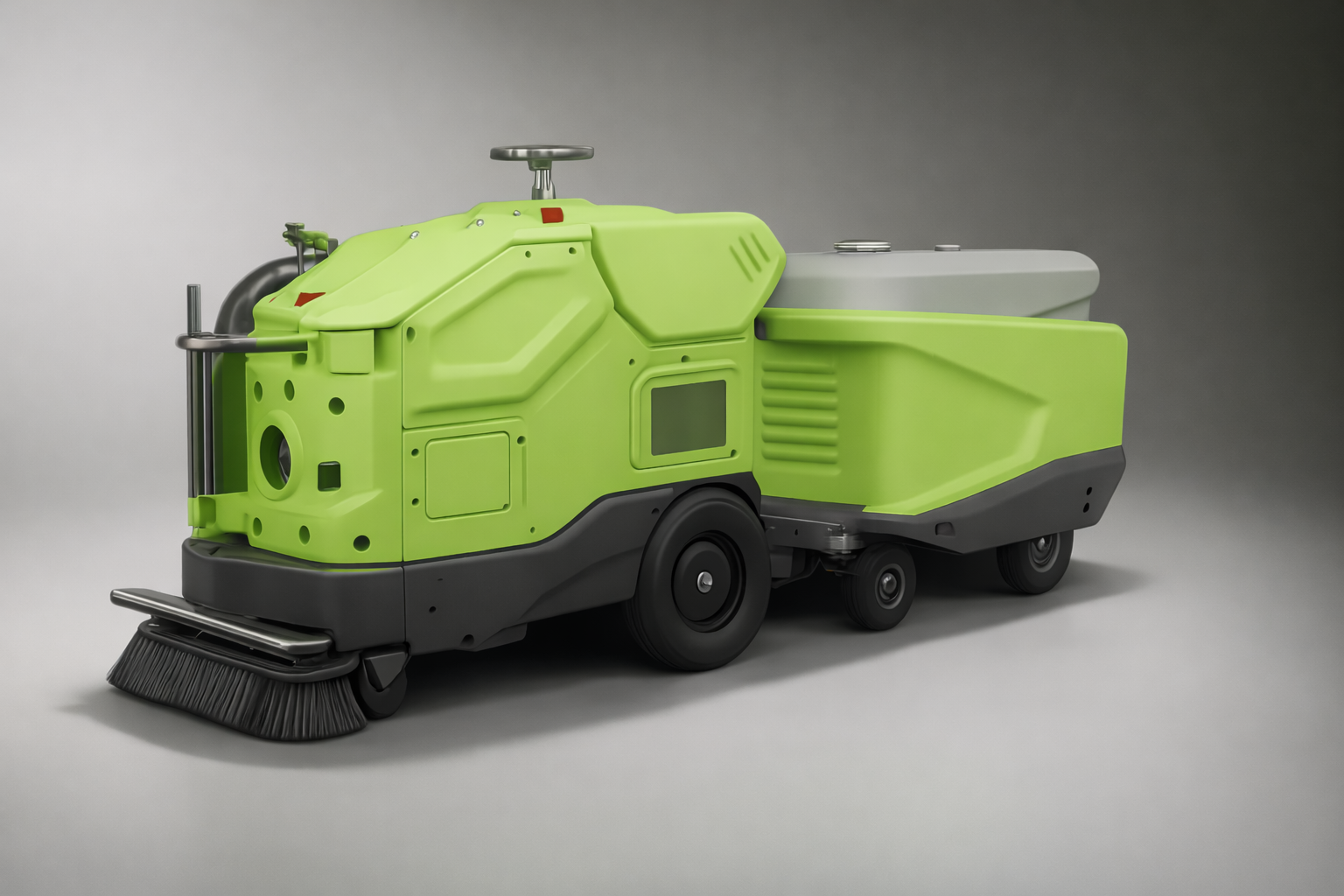
Now, let’s pivot to the future. The trajectory of street cleaning technology is marked by rapid innovation, and I can’t help but feel a thrill at the potential for more streamlined operations. With the rise of the autonomous street sweeper, municipalities may finally experience lower maintenance costs and increased efficiency. Imagine a scenario where cities can collect data on their cleaning habits and adjust service routes in real-time — it’s a game changer!
Real-world Impact: How Will These Changes Unfold?
As we stride forward, the questions shift from “Can we afford this technology?” to “How much can we save with it?” Municipalities will begin to measure success based on reduced labor costs and tangible environmental benefits. But here’s the kicker: shifting the focus to user experience will become essential. Yes, the machines do the work, but merely installing them won’t suffice; there will need to be an emphasis on operator training and community engagement to maximize their effectiveness. Building that bridge is critical to ensuring the success of this innovative approach.
Final Thoughts: Lessons Learned and Path Forward
As I reflect on the journey of street clearing technology, what resonates most is the potential for transformation that lies ahead. Through both personal experiences and industry advancements, I have observed that learning from the past is essential for paving a brighter, cleaner future. When choosing solutions like the autonomous street sweeper, I would advise focusing on three key metrics: reliability, adaptability, and operational efficiency. Companies like Greendorph represent a beacon of innovation, leading the charge in these transformative technologies. Let’s embrace the journey — the streets are waiting for us!