
Understanding the Core Issues
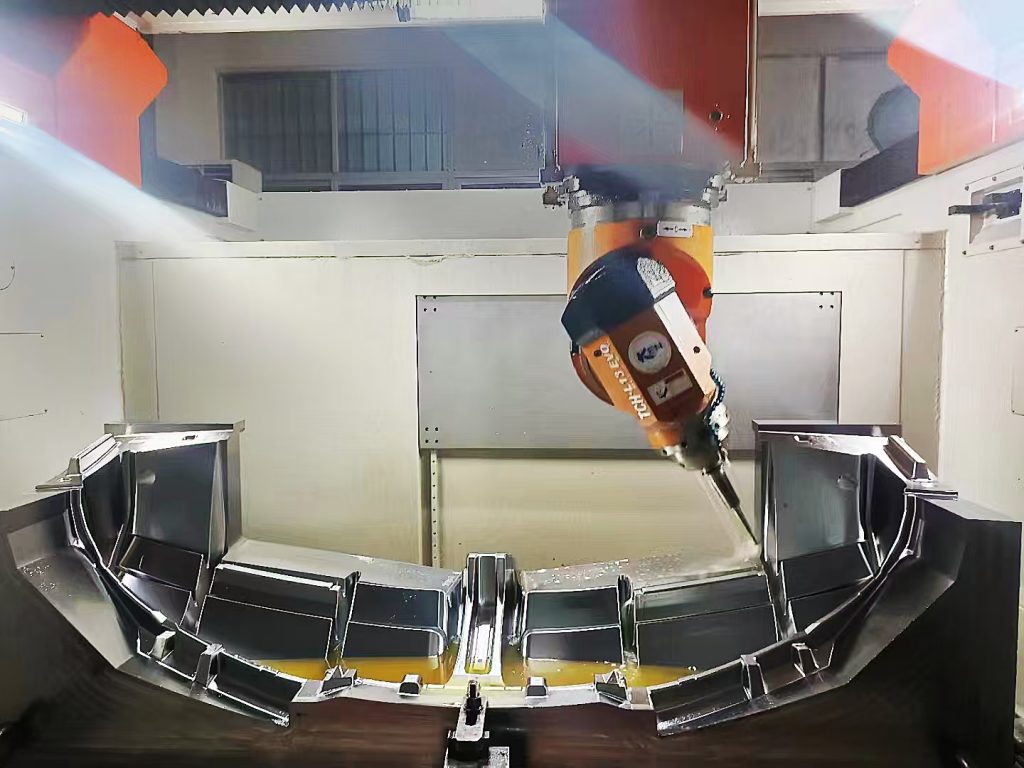
A common scenario in manufacturing is the dull thud of machinery running inefficiently in a production line while I keep an eye on the metrics. Data reveals that companies often lose up to 30% of their production time due to outdated tooling methodologies. This raises a crucial question: How can we mitigate these inefficiencies to optimize tooling for mass production? It’s largely about understanding the weaknesses of traditional solutions.
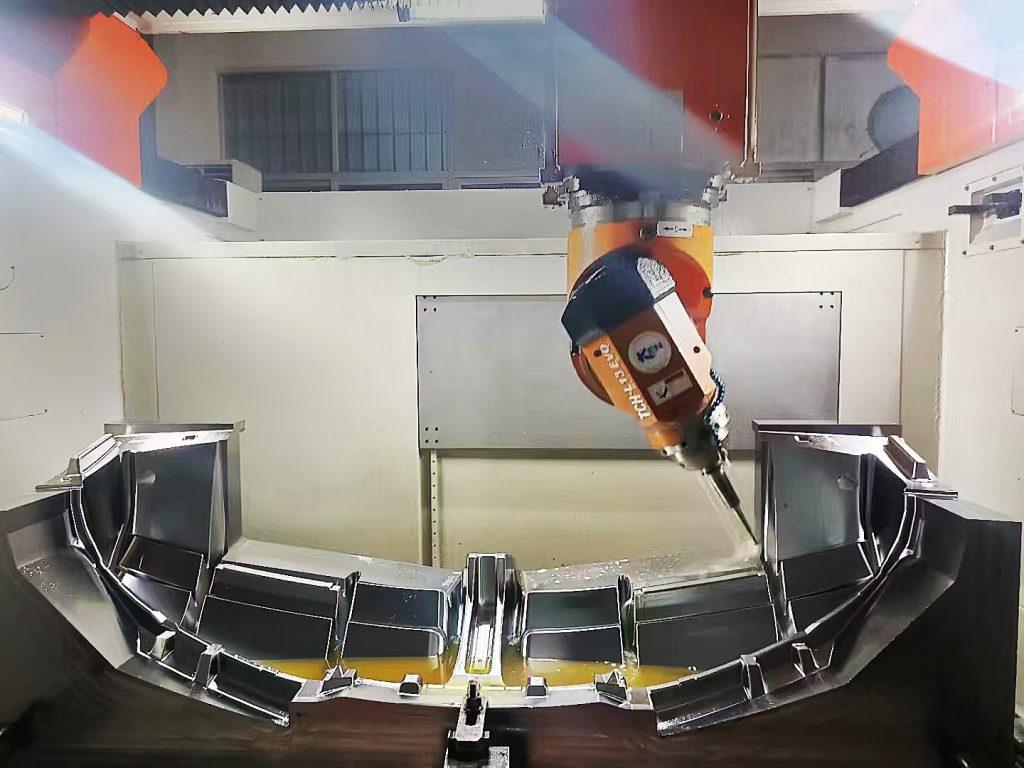
Many businesses rely on legacy systems that are slow and cumbersome. I can’t count how many times I’ve encountered designs that left us scratching our heads, wondering how they ever made it to production. These flaws often stem from a lack of foresight in the design phase, which leads to unnecessary rework and delayed timelines. As we explore these insights, keep in mind that there are smarter choices we can make this time around.
Identifying Hidden Pain Points
One crucial element businesses overlook is the operator’s experience with tooling. I once worked with a team that insisted on using standard drills for a specific application that required more finesse—a recipe for disaster! Not only did it impede production, but it also resulted in unacceptable reject rates. Each mishap was a stark reminder that tooling is not just about machinery; it’s about the users as well.
So, what are the underlying issues that can bring production to a standstill? It’s often a combination of inadequate tooling for specific applications and an unforgiving lack of training for staff. Investing in custom tooling for mass production can dramatically improve outputs and save time. In this context, developing a user-centric approach to tooling becomes indispensable.
What’s Coming Next?
Looking ahead, there’s an exciting horizon for tooling in manufacturing. With the shift towards digital technology and automation, the future of tooling for mass production presents many opportunities. Imagine using advanced analytics to predict wear and tear on tools before it becomes a production issue. In my experience, implementing smart sensors lead to a 20% decrease in downtime—who wouldn’t want to embrace that?
As we transition towards more automated solutions, the risk is that we become overly reliant on technology, forgetting the human aspect of production. However, I believe a balanced approach that combines digital efficiency with human expertise will yield the best results. This is not just about adopting new technologies but about marrying them thoughtfully with traditional techniques.
Key Lessons on Production Tooling
Reflecting on the insights gathered, I can summarize some focal points that can help any production team evaluate their current tooling strategies. First, always ensure your tools align with specific production needs—custom solutions often outperform generic ones. Next, invest in training, because even the best tools won’t shine unless the operators understand how to use them effectively.
Lastly, measure success not just in terms of output but also in quality. I’ve seen firsthand how the right tooling can enhance product integrity, cutting down flaws that save costs in the long run. Embracing a forward-thinking approach—as we’re discussing here—not only prepares us for the challenges ahead but also empowers us to respond to them effectively.
While it might seem daunting, navigating the complexities of mass production doesn’t have to be. With careful planning and informed decision-making, we can elevate our production processes to new heights. If you’re looking for guidance on tooling solutions, feel free to check out APT-Mold for tailored advice. After all, navigating the world of production tooling is a journey best taken together!