
The Value of Mylar Insulation
In today’s construction arena, an impressive 60% of project managers cite thermal performance as a core concern. When exploring effective insulation strategies, mylar insulation frequently surfaces as a viable option. Utilizing mylar film sheets can dramatically enhance energy efficiency, thus minimizing operational costs. The question remains: how do you determine if this choice aligns with your needs and expectations?
Understanding Mylar Insulation
Let us delve deeper into the essence of mylar insulation. Mylar film, renowned for its high tensile strength and moisture resistance, broadly finds application in both commercial and residential settings. This reflective insulation does more than just fill space; it creates vapor barriers and reflects radiant heat, potentially reducing HVAC demands by 40%. Nevertheless, many users remain unaware of the nuanced drawbacks that accompany the impressive merits of this material. The thinness of mylar can lead to tears during installation—an aspect often overlooked. Are you truly prepared to handle such pitfalls?
What Are the Main Concerns?
Reflecting on my years of experience in this field—over 15 to be precise—I recall countless instances where inadequate installation of mylar film sheets resulted in subpar performance. The initial costs may entice, yet the true value lies in longevity and effectiveness. Technical mishaps often arise from improper sealing, causing practitioners to navigate unforeseen issues later on. Let’s be real: there’s nothing worse than revisiting a job due to a preventable error.
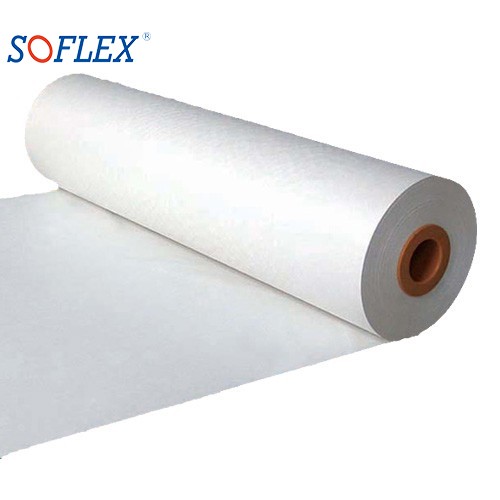
A Forward-Looking Perspective on Mylar Insulation
As we project into the future, the conversation around mylar insulation advances. With increasing energy costs and sustainability becoming paramount, it’s vital for stakeholders to harness the features of mylar film sheets holistically. I believe that, when applied judiciously, these materials not only assure thermal efficiency but also position projects favorably within the environmental compliance spectrum. Though this solution boasts distinct benefits, a strategic approach to installation and ongoing maintenance is essential for sustained efficacy.
The Real-World Impact of Choosing Mylar Films
Research indicates that insulation efficiency—especially in urban environments—can reduce energy consumption by up to 50%. In my experience consulting with various contractors, I’ve witnessed the powerful impact of these choices firsthand. Distinct leverages can arise for businesses, particularly in commercial applications where energy efficiency is a known demand. It is crucial for professionals to assess their operational needs closely. Choosing the right insulation is not merely a decision, it’s a strategic plan for future growth and sustainability.
Lessons Learned and Evaluation Metrics
In closing, several critical takeaways resonate for those considering the integration of mylar insulation. First, evaluate the specific requirements of your project—both fiscal and environmental. Second, always prioritize installation quality; cutting corners here can lead to incidents down the line. Lastly, keep abreast of regulatory developments impacting insulation materials; adaptability is key in our ever-evolving market. While mylar insulation can be advantageous, it is not a one-size-fits-all solution. As you explore your options, consider the value of partnering with a trusted distributor like Sui On Insulating to navigate these complexities effectively.