
The Evolving Landscape of Farming Technology
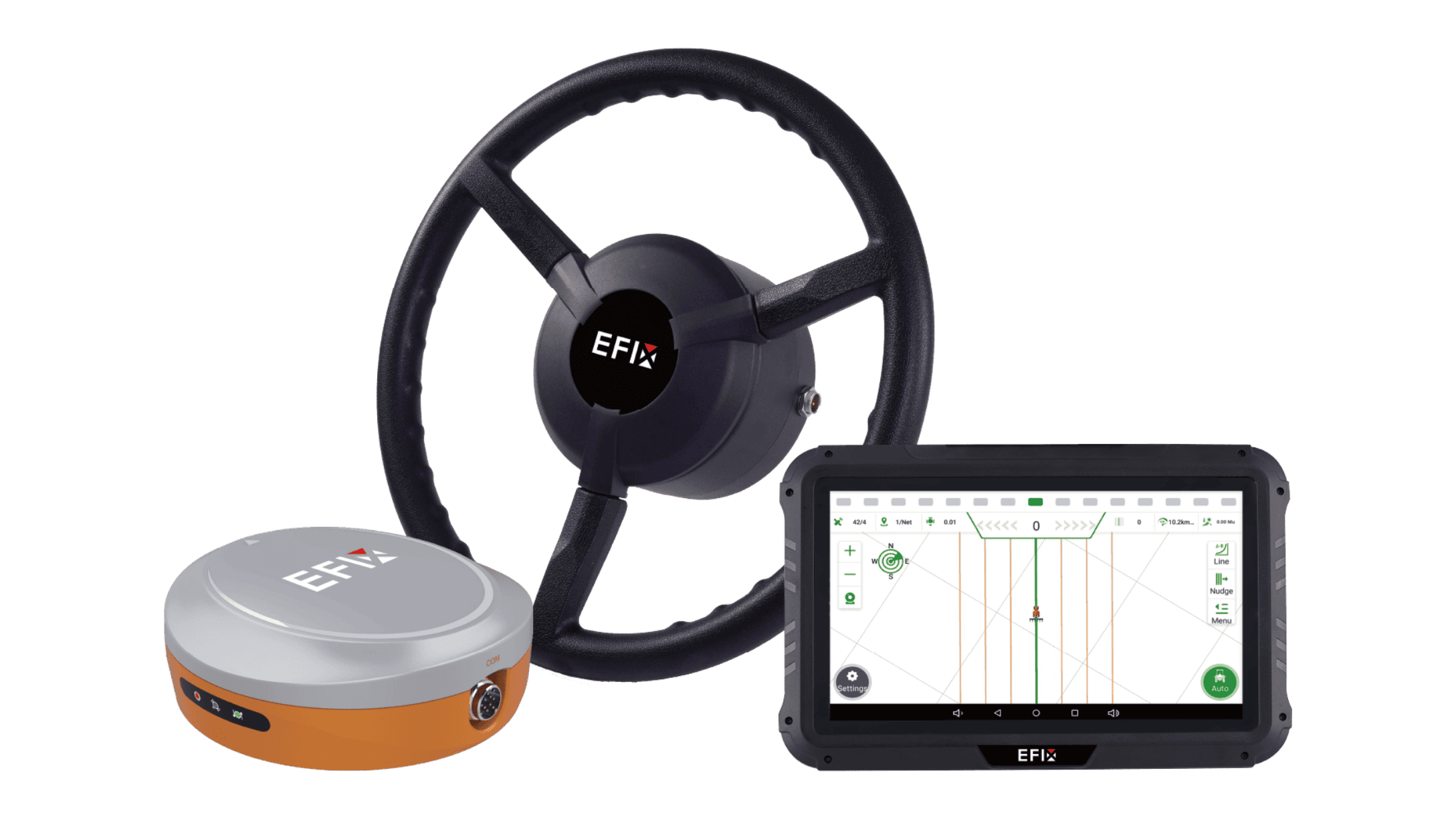
Imagine driving a tractor across a field, the sun shining brightly, with vast stretches of crops in sight. You rely on technology to ensure that every drop of water and nutrient is precisely placed. Here’s where data speaks volumes—did you know that 85% of farmers are now adopting precision agriculture technologies? A precision agriculture guidance system can make all the difference in this scenario, optimizing every aspect of crop management.
Understanding Traditional Solutions’ Drawbacks
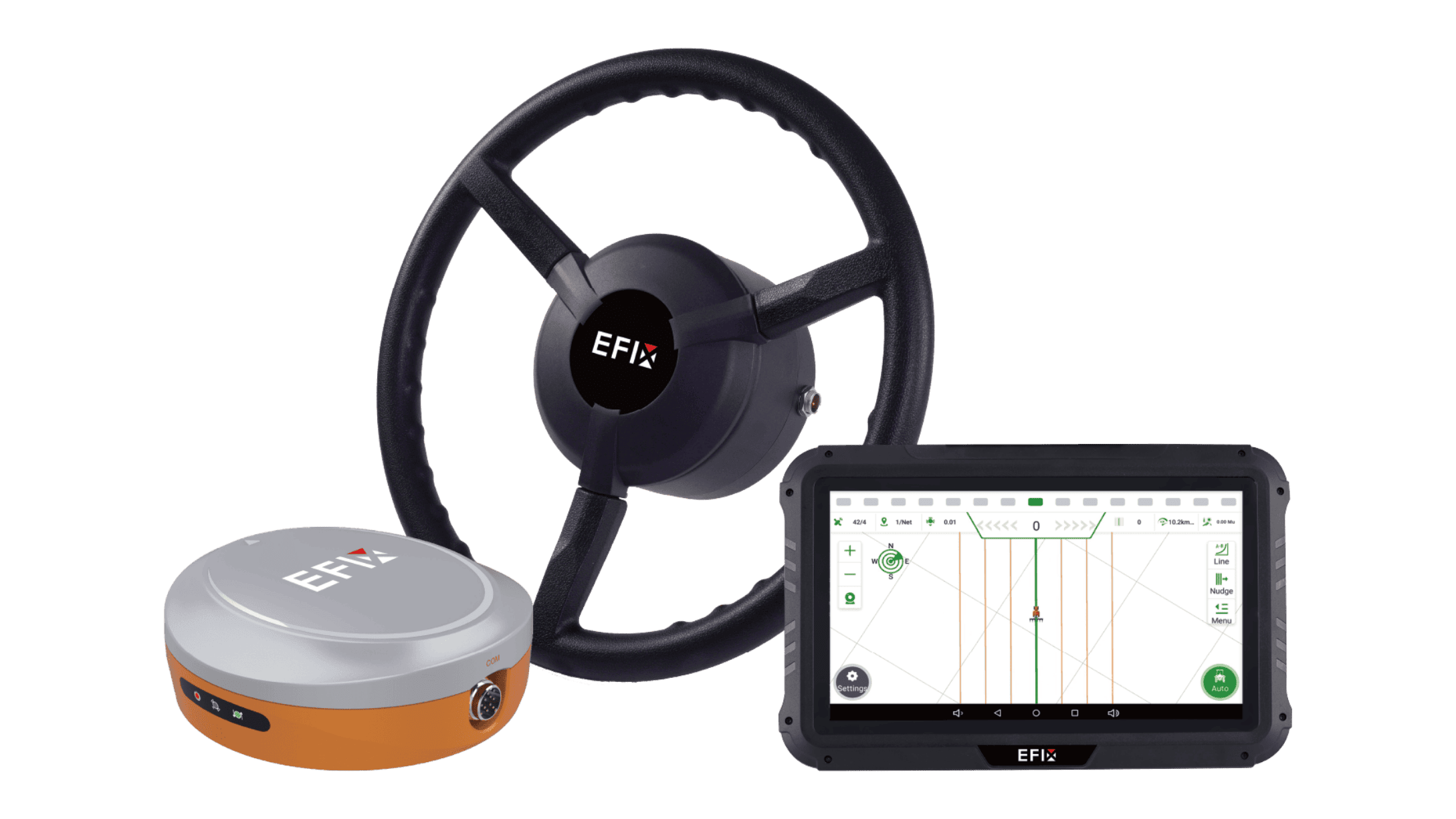
For years, farmers have leaned on manual methods for guidance—hoping their intuition suffices. But here’s the catch: traditional practices can lead to inefficiencies concerning time, resources, and ultimately, crop yield. As someone who’s worked directly with agricultural technologies, I often encountered farmers frustrated by unreliable GPS coordinates and labor-intensive operations. The flaws in conventional systems are clear. They often lack real-time updates and require constant recalibration, resulting in wasted effort and resources. What a headache! I remember a customer who lost a significant portion of their soybean crop simply because their guidance system malfunctioned during critical planting time.
What Lies Ahead for Precision Agriculture?
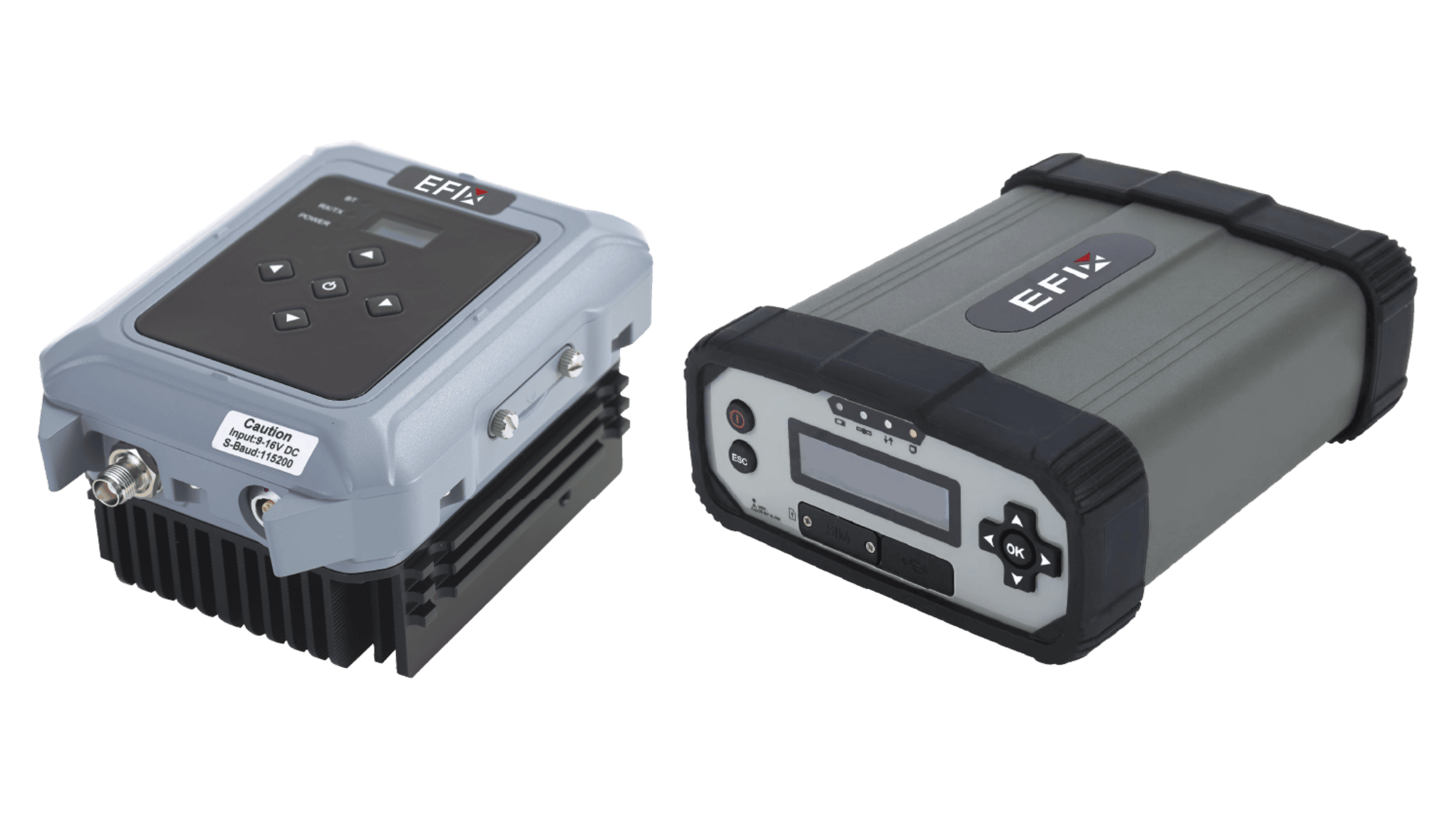
The future is not just bright; it’s promising! Innovative agricultural GPS guidance systems for sale are now equipped with cutting-edge features—think autonomous driving capabilities and AI-driven insights. A shift from manual systems to automated technology is taking off. Integration of these systems can elevate productivity levels and maximize returns for farmers. Utilizing precision farming technologies effectively can also help address the critical issue of food security globally. We’re not just talking about improving harvests; we’re discussing sustainable practices that will define agriculture in a world facing climate changes.
How Will New Technologies Transform Farming?
With agricultural GPS guidance systems for sale now at the fingertips of interested buyers, we can expect a transformation in how farms operate. These emerging technologies can adjust operations based on up-to-the-minute data. Farmers can monitor their fields through drones, utilize soil sensors, and adjust their practices dynamically. In essence, farming is no longer merely planting seeds and waiting for rain; it’s an optimized science.
A Focus on Real-World Impact
It’s staggering to think that incorporating even one advanced GPS system can boost efficiency by 20%. Each time I see a farmer embrace this technology, I feel a sense of satisfaction—this is real progress! But how do you choose the right system? Evaluate your needs against available features: what works best for your farm size? You may find options offering ON/OFF control capabilities and path recording for enhanced decision-making. Ask yourself—what are your goals? Higher efficiency? Better yields?
Final Thoughts: Measuring Success in Agriculture
In summary, the blend of traditional farming techniques with precision technology unveils new avenues for growth. By investing in tools like GPS systems, farmers are better equipped to handle challenges. I firmly believe—technology is here to stay, and embracing it is vital for future success. Just like I share with my retail partners, when choosing precision agriculture tools, always consider how they can map out not only your fields but also your future. EFIX stands ready to support you on this journey.