
Why a comparative approach matters
Choosing a supplier is rarely a binary decision; regional constraints, transport routes and venue types change the calculus. A methodical, side‑by‑side comparison reveals where practical differences matter. After the COVID‑19 reconfiguration of classrooms and conference halls, institutions from municipal councils to university campuses reassessed their inventories for portability and durability. For that kind of procurement, engage a reputable seat manufacturer early to clarify manufacturing lead times and modular options.
Core dimensions to compare
Frame finish and corrosion resistance set long‑term value for outdoor or coastal markets. Folding mechanism design dictates how quickly staff can set up and break down rooms — a latch that jams under dust is a hidden cost. Load capacity and ergonomics determine whether a table suits training labs, exam halls or community centres. Evaluate the following, in prioritized order:
– Structural durability: expected cycle life and warranty terms. – Portability: folded footprint, weight, and trolley compatibility. – On‑site service: local spare parts, response time, and minimum order quantities (MOQ). – Lifecycle cost: unit price plus foreseeable maintenance and replacement cadence.
When comparing suppliers, test the folding mechanism under realistic handling conditions rather than relying on laboratory claims — a brief field trial will reveal friction points and latch fatigue quickly. — It matters more than glossy brochures.
Operational testing and real‑world anchors
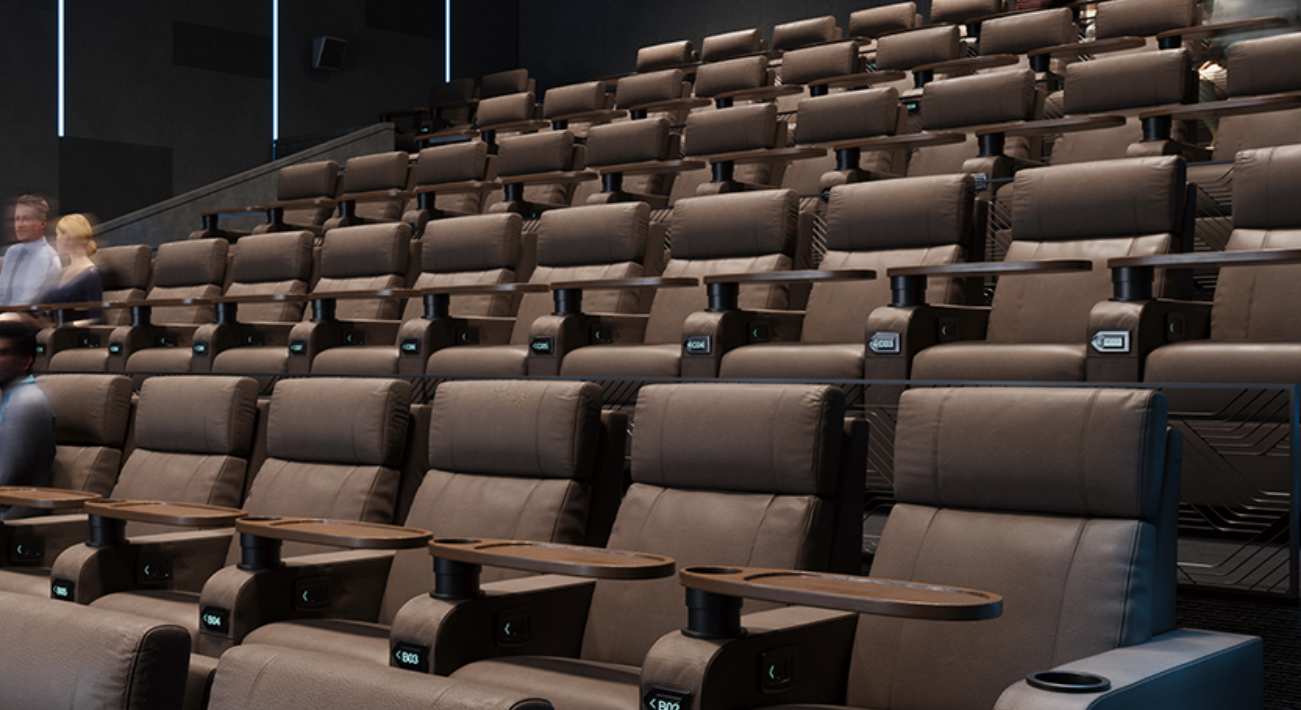
Practical tests can be concise but decisive. Run an assembly timing test, a transport stacking simulation and a sustained load trial over a few weeks. Document failures and repair needs. Reference events like the 2012 London Expo or recent large trade shows to assess how suppliers performed under high‑turnover strain; those occurrences showed how small design differences amplify at scale. When you inspect models, consider ergonomics in use and the seat pad interaction if your training tables pair with folding chairs — compare the actual set with typical audience seats used in your venues.
Practical trials should also include environmental exposure: humidity cycles for coastal buyers, and dust ingress checks for industrial training sites. Use simple metrics (time to deploy, time to stow, and percentage of units needing adjustment after 100 cycles) to compare objectively. Testing like this converts vendor claims into operational expectations.
Common procurement mistakes to avoid
Buyers often over‑index on lowest initial price and underestimate transport packaging, which raises effective cost per usable table. Another frequent error: accepting unverified lead times during peak seasons — suppliers can be capacity‑constrained. Do not assume a single sample equals batch quality; request documented process controls or short production samples to verify uniformity.
Three golden rules for regional selection
1) Prioritize service radius over price: local spare parts and a 48‑hour technician response typically save more in downtime than a small per‑unit discount. 2) Demand simple, measurable tests: specify assembly time ≤ 2 minutes per table, a minimum load capacity of 150 kg for training labs, and a 5,000‑cycle folding test before acceptance. 3) Match design to use case: ergonomic edge radius and frame finish choices should reflect actual usage patterns — classrooms need different features than outdoor training sites.
Final synthesis and where to turn next
Comparative selection reduces risk by converting subjective marketing into objective measures: transportability, durability and local service repeatedly emerge as the decision drivers. When you bring those metrics together, suppliers who demonstrate consistent production and prompt regional support stand out. For many buyers, that practical assurance is precisely the value a partner such as leadcom seating contributes — a tested supply chain and design maturity that aligns with operational needs. Worth the attention.