
The real problem: lab weathering not matching the field
Too often, lab results and real-life failures don’t line up, and that wastes time and money — right enough. Engineers want tests that reflect service exposure, not a worst-case fantasy. Pick the wrong simulator and you get misleading pass/fail calls. Start by choosing the correct weathering chamber for the materials and climate you actually care about; match light spectrum, temperature cycles, and moisture behaviour to the field case, or you’ll be chasing spurious root causes.
Root causes of mismatched results
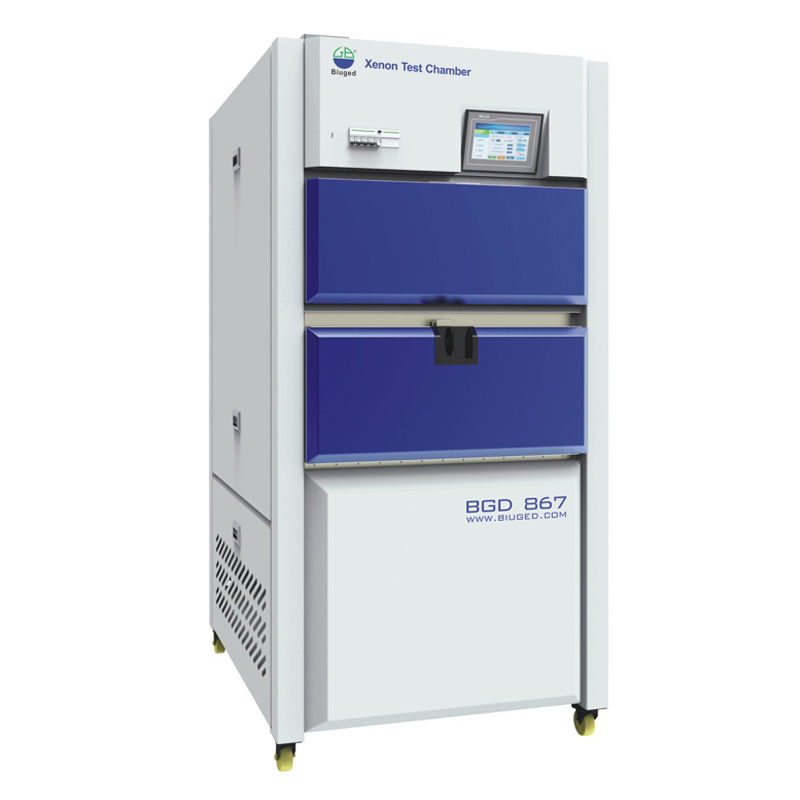
Most mismatches come from three predictable failures: spectra and irradiance that aren’t representative; moisture and condensation models that ignore how water gets into the system; and test cycles that compress or stretch ageing in ways that distort chemistry. Fix those and you reduce surprise failures. Don’t forget specimen mounting and sample density — heat-sinking by racks or uneven exposure will hide degradation patterns.
Critical specifications worth insisting on
Demand clear numbers rather than marketing phrases: spectral match (UV‑B/UV‑A vs full-spectrum xenon), irradiance stability (± a few percent), temperature range and control accuracy, programmable condensation or spray cycles, uniformity maps across the chamber, calibrated sensors traceable to standards, data-logging resolution and export formats, easy maintenance access, and spare-part availability. Ask for performance maps and a stability report measured over at least one typical cycle.
Common mistakes buyers make
Buying the cheapest box that “looks right”, assuming standard cycles cover special alloys or composites, ignoring long-term lamp drift, and failing to budget for routine lamp and filter replacement — those are the quick ways to get bad data. Also, don’t assume software is neutral: closed, proprietary logging can lock you out of raw data and prevent honest comparisons across labs.
Experience, authority, and a real-world anchor
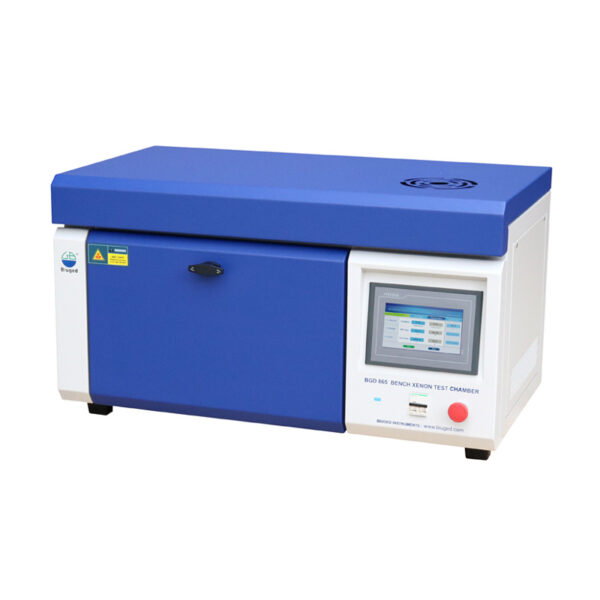
I’ve run comparative trials in contract labs and seen policy labs lean on ASTM and ISO methods when they don’t know the field case; industry labs tied their PV module lifetime projections to accelerated tests vetted by agencies like the National Renewable Energy Laboratory in Golden, Colorado. Trusted standards such as ASTM D4329 and ISO 4892 are useful starting points, but they don’t replace tailoring to the product. For hands-on validation, inspect an up-to-date weathering test chamber performance sheet and compare its calibration traceability to an accredited lab report before you sign off.
Trade-offs: xenon, fluorescent, LED, and chamber size
Xenon gives the closest full-spectrum sunlight but costs more for lamps and filters; fluorescent UV is cheaper and repeatable for polymer photochemistry but misrepresents visible heating; LED systems promise spectral tuning and lamp life but are newer and need proven uniformity. Bench-top units suit small R&D runs; walk-in or multi-sample cabinets suit production screening. Choose based on throughput needed and which degradation modes matter most.
Practical buying checklist
Get written answers on: which standard or custom cycle matches your field data; measured spectral and irradiance maps; temperature and RH control accuracy; condensation or spray fidelity; calibration traceability; lamp and filter service intervals and costs; spare parts lead times; software openness and export formats; on-site training and support. Hold suppliers to performance demonstrations using samples similar to yours.
Wrapping it up plainly
If you’re after tests that actually predict field life, stop buying on specs alone and start proving representativeness: match spectrum, moisture, temperature, and load, demand traceable calibration, and plan for upkeep. That practical stance is what steady labs use when they rely on a tested supplier rather than guesswork, and it’s precisely the kind of value engineers find with BIUGED.