
Introduction — a short shop-floor scene, data, and a question
I was standing in a small plant last year watching a technician swap a stator while humming a radio tune — it felt oddly comforting and urgent at the same time. As I watched, I thought about how an electric motor manufacturer must balance cost, efficiency, and time-to-market (and yes, sometimes personality matters). Industry reports show demand for efficient motors rising by double digits annually in certain sectors; that growth puts real pressure on supply chains and product specs. So how do makers choose which trade-offs to accept — or avoid altogether? Let’s unpack that, starting from the shop floor and moving up to strategy.
Why the usual fixes fall short: systemic flaws and hidden user pain
electric motor manufacturers often patch symptoms rather than redesign systems. I’ve seen this a dozen times: teams add better bearings, tweak control firmware, or spec a higher-grade winding material — all sensible moves. But those fixes rarely address the bigger issue: mismatched system thinking. When you treat a motor like an isolated widget, you miss interactions with power converters, edge computing nodes, and the vehicle or machine it powers. That gap drives repeat failures, longer downtime, and frustrated maintenance crews.
What’s really breaking down?
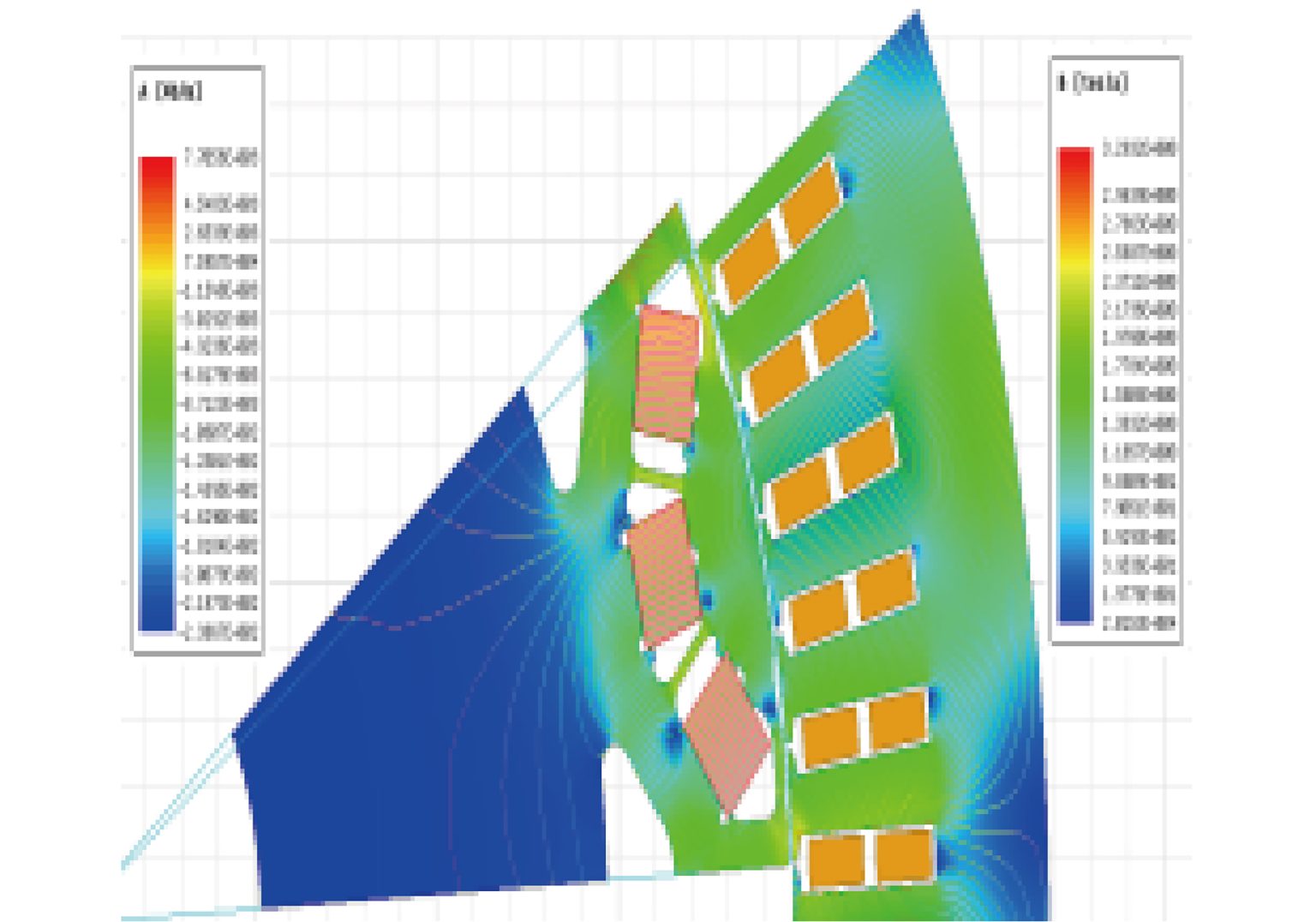
Technically, two things stand out. First, torque ripple and rotor dynamics often go unmodeled during procurement. Buyers ask for peak torque numbers, not the subtle vibration profiles that degrade couplings and bearings over months. Second, thermal management gets tacked on late — flux density and thermal limits are treated as afterthoughts. Look, it’s simpler than you think: you don’t get lifetime reliability by bolting on a bigger fan. We need system-level specs, not piecemeal upgrades. — funny how that works, right?
Forward view: new principles and comparative paths forward
When I look at the future, I see two practical routes. One is incremental optimization: smarter controls, tighter manufacturing tolerances, and better supplier data for components like power converters and laminations. The other is platform-level redesign — integrating control electronics, sensors, and predictive maintenance so the motor, inverter, and machine work as a single unit. Both paths are valid; the choice depends on scale, product lifetime, and customer expectations. If you’re a motor manufacturer (and you read specs), think about who will service your product in year three — that shapes design choices more than any benchmark test.
Real-world impact: a short case and outlook
I recently advised a small fleet operator who switched from a generic motor plus third-party controller to a co-designed motor and inverter pair. The result: 12% energy savings, 30% fewer service visits, and a calmer crew. That’s a concrete win you can compare across suppliers. For larger OEMs, hybrid strategies — incremental improvements while piloting integrated platforms — can hedge risk and speed adoption. We’ll see more modular electric drivetrains, but adoption will hinge on measurable metrics, not hype.
Advisory close — three metrics I use to judge a supplier
I’ll leave you with three practical metrics I rely on when evaluating solutions. First, lifecycle uptime: does the supplier provide field data showing mean time between failures under real loads? Second, system compatibility score: can their motor and power electronics talk to your control stack without custom engineering? Third, serviceability index: are parts and diagnostics accessible to local technicians? Use these to compare bids — and insist on proof, not promises. I want suppliers who share data and stand behind it. I want to work with teams that solve problems, not just sell components. — and that’s why I keep coming back to evidence and real-world tests.