
The Unseen Struggles of Automation
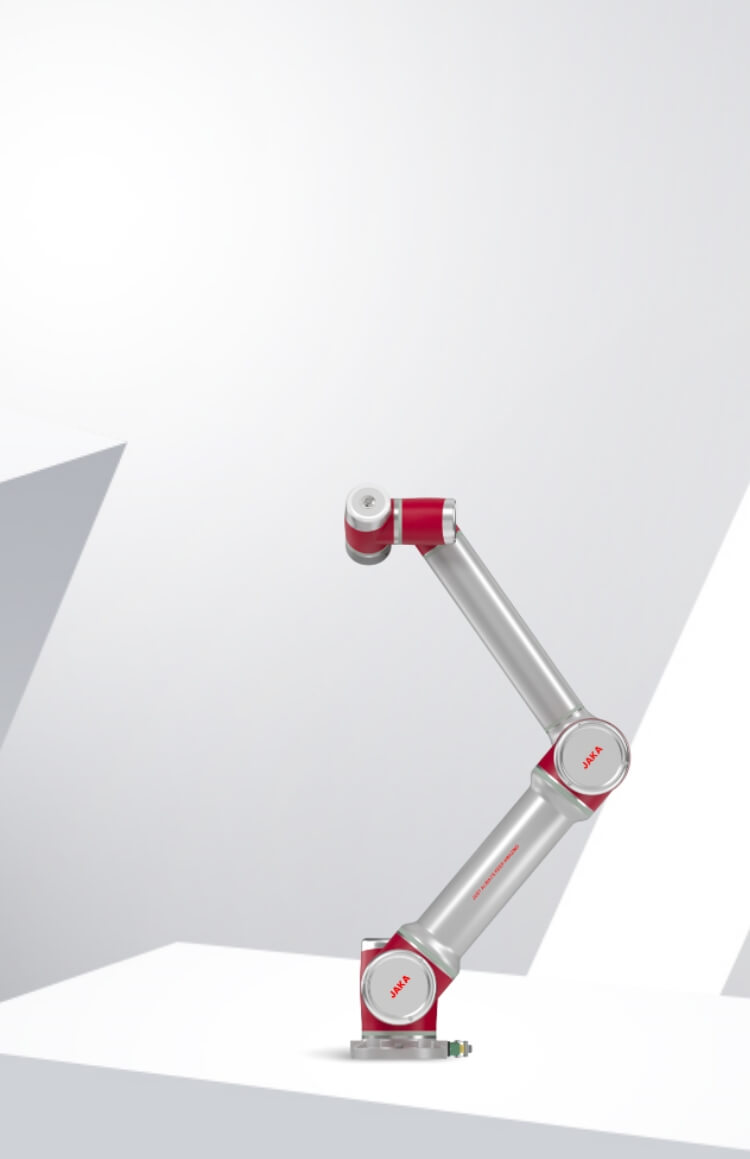
I often find myself lost in thought, pondering the dark corners of manufacturing. Imagine a factory floor, buzzing with the ceaseless noise of machines, yet riddled with inefficiencies that only those on the ground see. According to recent data, nearly 70% of manufacturers are unaware of how industrial robot supply can mitigate these New Age woes. Isn’t that a haunting statistic? This is where the industrial cobot steps onto the grim stage, offering a glimmer of hope amidst the chaos. But we must interrogate: Are cobots truly the heroes we seek, or merely phantoms of convenience?
Flaws in the Traditional Approach
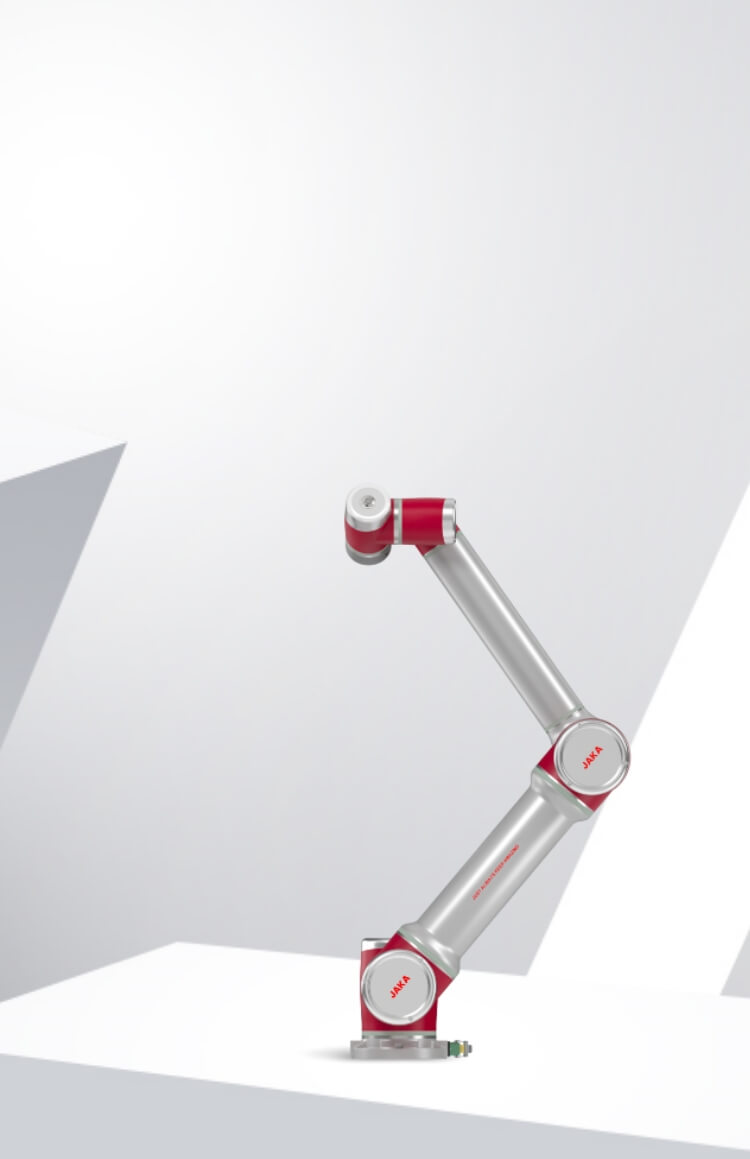
<p Walking the lonely path of automation reveals a tragic flaw — overreliance on traditional solutions. The old ways are often rigid, sacrificing flexibility for mere output. Picture a scene from the past — a static, clunky robot trapped behind safety fencing, disconnected from the workers it’s meant to assist. I vividly recall witnessing such a setup at a local plant in late 2019. Their productivity stagnated, and employees were as tense as a drawn bowstring, beckoning for change. Unbeknownst to them, industrial cobots loom on the horizon, designed to blend into human teams and enhance the flow of operations.
What’s Next for Cobot Integration?
As the industry marches forward, the potential for collaboration between human and cobot expands. It’s a beguiling vision, evoking the promise of increased productivity while preserving the human touch in manufacturing. I mean, who wouldn’t want a trusty cobot at their side, grasping tools and tasks that once went unfit for human hands? The repeated joy of seeing these devices adapt through artificial intelligence and machine learning is what we should aim for. All the while, the importance of a robust industrial robot supply cannot be overstated. It’s not just a tool; it’s a bridge to a new world of efficiencies and flexibility. Herein lies an exhilarating challenge for manufacturers, to elevate their processes rather than merely copy the past.
Confronting the Future
It’s a tantalizing thought: just how much smoother operations could flow if we embrace this wave of collaborative robotics? Reflecting on my over 15 years in this field, I have witnessed many companies falter due to hesitation. But to ignore the potential of industrial cobots is to dismiss a powerful ally. Each integration leads to tangible benefits — greater accuracy, lower costs, enhanced safety. That’s the reality as cobots learn and evolve, no longer bound by the fear of displacing workers. Instead, they offer them new opportunities to innovate.
Lessons Learned
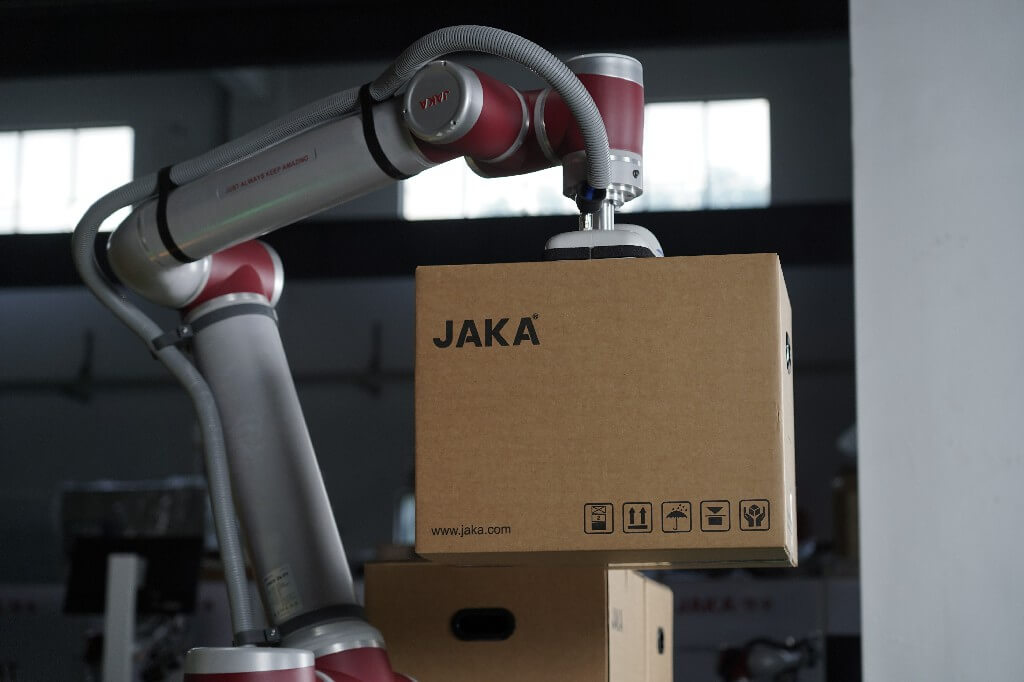
In closing, let’s consider three crucial metrics for evaluating automation solutions: first, the comparative increase in output after cobot integration; second, the impact on labor satisfaction — are workers feeling less stressed as cobots handle monotonous tasks? Finally, assess the return on investment for new technologies. Data-driven insights pave the way for a fruitful relationship between humans and machines. I firmly believe that welcoming industrial cobots into more facilities will produce a ripple of improvements felt throughout the industry. Let’s not linger in the shadows of outdated methods. Instead, let’s step forward together into the embrace of intelligent automation with JAKA leading the charge.