
Introduction: A Simple Field Tale
I once watched a small-town plant crank out wipes on a rainy day and thought, “There’s more here than meets the eye.” China baby wipe production line runs every day like a stubborn tractor—steady, loud, and reliable. Small factories report higher yield, larger firms chase speed, and the data shows throughput jumps when line balance improves (you can see it on the shift board). So I ask: are we missing the simple fixes that make these lines hum? — let’s walk through what I’ve learned and where to dig next.
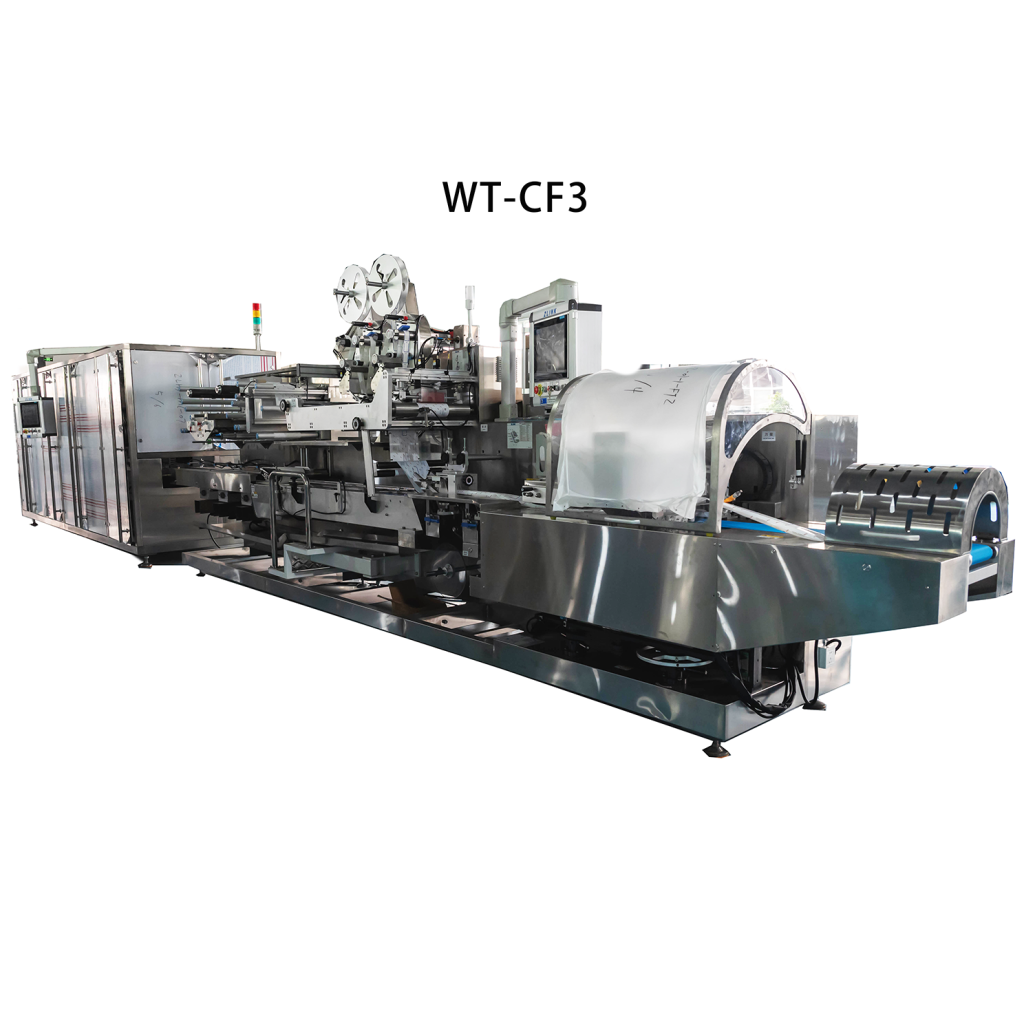
I write plain because that’s how I work: hands-on, not flashy. I’ll point out what matters to folks who move product and move the business. Keep in mind this is about real machines, real workers, and real choices. Next, I’ll dig into the pain points that usually get swept under the mats.
Part 2 — Hidden Flaws and Pain Points in baby wipe production line promotions
Early on, I clicked through a few baby wipe production line promotions and felt uneasy—too many promises, not enough detail. Producers brag about speed and automation but often gloss over the issues that bite you later: mismatch between feeder speed and non-woven fabric tension, inconsistent dosing when the peristaltic pump slips, or a servo motor that hunts and wastes time. These are engineering details, yes, but they turn into real costs on the floor. Look, it’s simpler than you think: if the fabric path isn’t right, nothing else saves you.
Let me be blunt—pilot runs and checks are skipped. Teams assume nominal specs will hold. They rarely do. Also, cutting die wear and inadequate maintenance schedules are quiet profit eaters. We’ve seen lines underperform by 10–30% because of small, fixable issues. I’ve written SOPs for that. I’ve also stood on the factory floor through late shifts—funny how that works, right? The point: promotions sell a vision. You need the facts about control systems, tension management, and spare-part cadence before you sign the order.
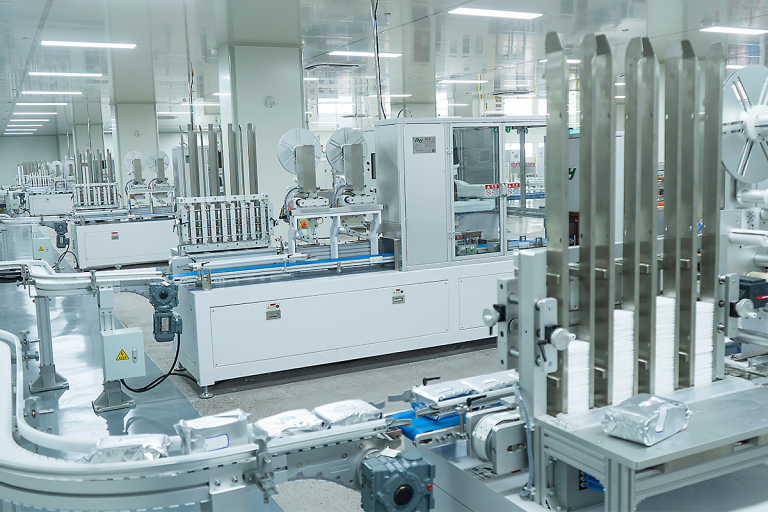
So what should you watch first?
Start with feed consistency and dosing accuracy. Those two factors make or break your net output.
Part 3 — New Technology Principles and What to Measure Next
Looking forward, I’m most excited about closed-loop control and smarter sensors that actually reduce human guesswork. New principles here are straightforward: measure more, react faster, and simplify operator decisions. For instance, adding inline tension sensors tied to a PLC lets you correct fabric drift before the cut—reducing rejects. Integrating vision inspection after the dispense station catches wetting faults early. I still prefer systems that keep the repair side simple—spare pumps and modular servo motor mounts beat bespoke parts most days.
I’ll point to one thing: don’t buy every gadget. Choose tech that fixes your top two problems. If your main loss is from poor sealing, invest in better heating control and less in fanciful dashboards. If it’s downtime, look at modular rollers and a clearer spare-parts list. (Yes, I know budgets are tight—so pick.)
What’s Next — Practical Steps
If you want a quick plan, here are three evaluation metrics I recommend we use when comparing vendors and lines: uptime percentage (measured over 90 days), first-pass yield (rejects per million wipes), and mean time to replace critical parts (in minutes). These metrics tell you how a line performs in real life—not on a glossy spec sheet. I’d also factor in local serviceability and availability of consumables. Don’t forget training time; a simpler interface saves labor costs and mistakes.
We need choices that fit our shop floor. I’ve seen big names and small shops both get it wrong—and both get it right when they focus on these measures. At the end of the day, the goal is a line that your team trusts and can fix with a wrench and a good manual. For practical solutions and tested equipment, consider checking resources from trusted suppliers. — funny how the basics still rule.
For more on real equipment and support, I keep an eye on what ZLINK publishes and recommend visiting vendor pages for spec checks and service notes.