
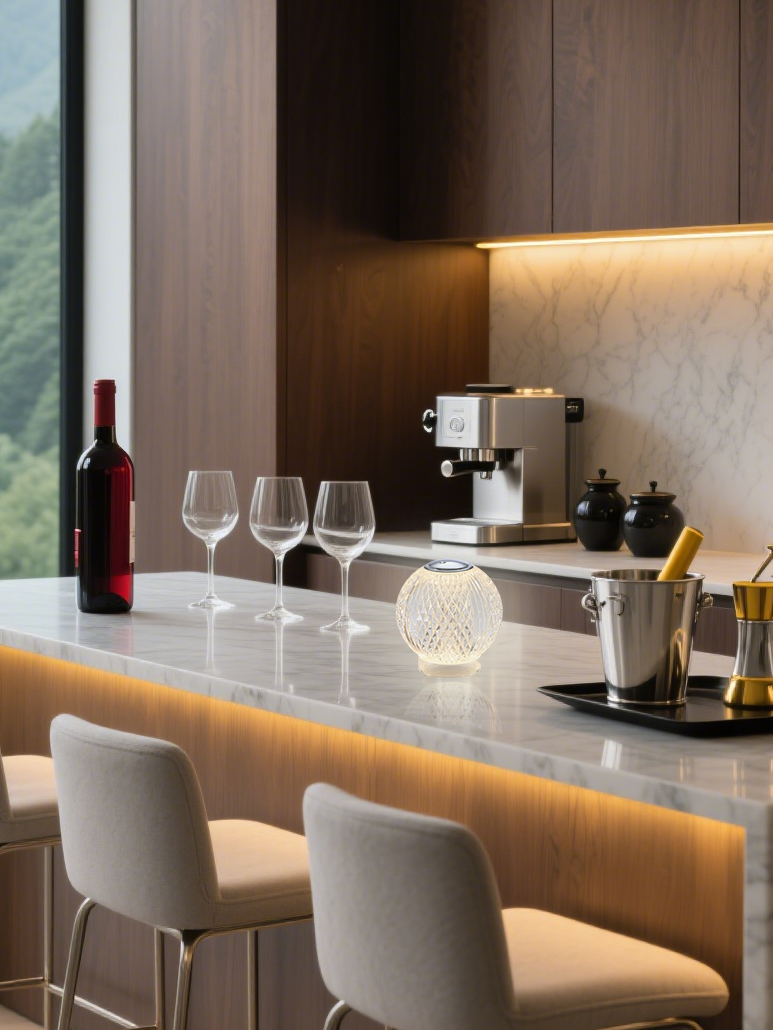
Fast Reality Check: Why Your Lighting Choice Now Matters More
Here’s the truth: the way you choose lighting will shape how your home feels, functions, and even saves energy. Your pendant light supplier now sits at the heart of that choice. Picture a busy evening: kids doing homework, you prepping dinner, lights humming along like a steady coach. Yet more than half of buyers say they regret at least one lighting purchase because of glare, flicker, or bad fit—numbers don’t lie. So ask yourself: are you chasing style, or performance you can live with? To get it right, start with a clear target like a modern pendant light for living room. It must balance lumen output, color, and comfort. (No guesswork.) Drive forward with intent, and the space follows—funny how that works, right?
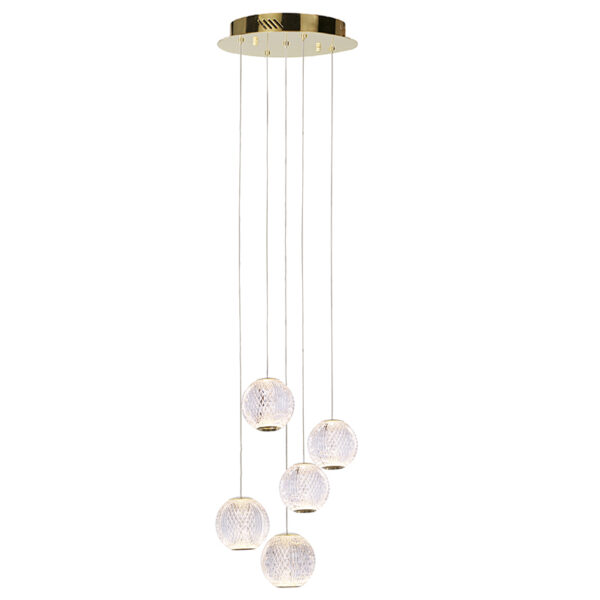
We’ll compare the old way versus the smarter way, so you avoid the traps and aim straight at results. Let’s move from talk to action next.
Hidden Friction at Home: What You Don’t See Until It’s Installed
What goes wrong—quietly?
Most people think the biggest risk is style. It isn’t. The real pain shows up after the box is open: poor dimming, uneven brightness, and color that feels “off” at night. A modern pendant light for living room has to do more than look good in photos. It needs a stable constant-current driver, a diffuser that cuts glare, and a beam spread that fits your sofa-and-table layout. If not, you get dark corners and hot spots. CRI drops, food looks flat, and eyes tire. Look, it’s simpler than you think: match room size to lumen output, test dim-to-warm if you relax there, and avoid PWM dimming that flickers at low levels. Then check thermal management, because a weak heat sink shortens life and color shifts over time.
There’s also the wiring story. Old retrofits often pair high-end lamps with cheap power converters. Result: buzz, flicker, and short lifespan. Installers fix what they can, but you pay for labor—twice. And drivers hidden inside tight canopies heat up fast. Over months, brightness fades sooner than spec sheets promise. That gap is the trap. It’s why a supplier who validates driver efficiency, power factor, and real-world dimmer compatibility beats a nice box and a big claim.
Next-Gen Moves: How Better Tech Makes Your Choice Safer
What’s Next
Let’s go forward and compare, head-on. The old approach sells “wattage equals brightness.” The new approach centers on system design: driver quality, optical control, and surface temperature over time. Think principles, not parts. A well-engineered pendant balances constant-current regulation with thermal pathways, so the LED package holds color and lumen maintenance past year two. Pair that with a tuned diffuser, and you prevent glare without dulling detail. Add scene-friendly dimming and your room shifts from task to lounge mode in one touch—no headaches, no flicker. For taller foyers, the same rules guide modern entrance hall chandeliers, where beam control and driver stability matter even more. Big space, bigger stakes—and yet the fix is clear.
Case in point: two similar-looking fixtures in a family room. One runs hot, dims unevenly, and fades to a greenish tint by winter. The other uses a cooler-running driver, better optics, and a quiet thermal core. Six months later, the first gets swapped out. The second stays. Compare inputs, compare outputs—then decide. When a pendant light supplier shares verified CRI, real lumen output, and dimmer lists you can test, the risk drops fast. Small details. Big wins—funny how that works, right?
How to Choose with Confidence: The 3 Metrics That Matter
Advisory close, quick and clear. One: electrical quality. Look for a stable constant-current driver, high power factor, and no visible flicker at low dim levels. Two: optical comfort. Check diffuser design, beam spread, and a CRI of 90+ where color accuracy matters. Three: durability under heat. Review heat sink design and real thermal data, not just marketing copy. If these three align in your modern pendant light for living room or matching modern entrance hall chandeliers, you’ll get light that works today and still feels right next year. Keep it comparative, keep it simple, keep it measured; your space will thank you. Learn more from brands that publish clear specs and stand behind them, like kinglong.