

Opening: The trouble with fuel and heat, plain as day
Plants round here keep wrestling with two stubborn things: fuel cost swings and tighter emissions rules. Folks think swapping fuels is a big gamble, but methanol-fired systems can be a practical fix when paired with the right industrial gas burner, especially for smaller process heaters and boiler trains. I’m gonna lay out the problem first—what breaks, why it hurts—and then show how methanol burners address the nuts and bolts without making it complicated.

Problem-driven diagnosis: What’s actually breaking the budget
Fuel markets swing; that’s a fact. When your plant’s fuel mix leans on natural gas or heavy oil, a single price spike pins margins to the floor. Emissions limits pile extra costs on top—retrofits, monitoring, downtime. Lots of operations also face supply-chain gaps for conventional fuels. Those three pressures together force choices: expensive fuel contracts, suboptimal combustion, or rushed retrofits that introduce reliability problems.
How methanol addresses the main pain points
Methanol brings a few concrete advantages that map to those pains. It burns cleaner than heavy hydrocarbons, cutting particulate and sulfur concerns right away. It’s liquid at ambient conditions, so storage and bunkering are simpler than compressed gases. It mixes well for staged combustion control, which helps hit NOx targets without exotic SCR setups. Those features translate to steadier operating costs and fewer emergency fixes when markets wobble.
Real-world anchor and field experience
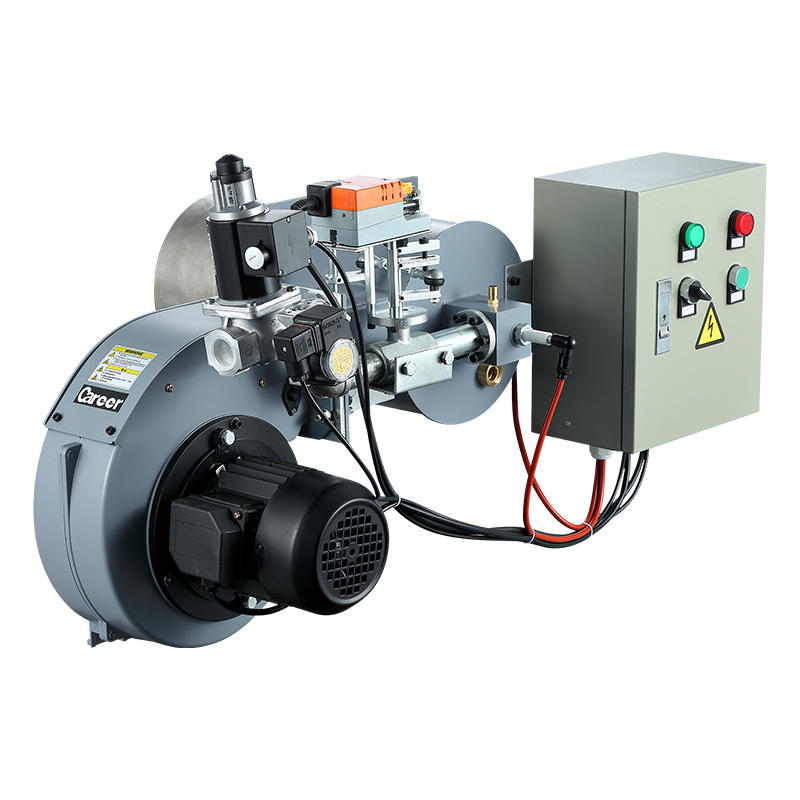
Working with combustion techs who retrofitted process heaters along the Houston Ship Channel taught me what matters: burner turndown, fuel atomization, and control integration. When teams swapped in methanol-capable modules, the focus wasn’t glamour—it was reliable flame shape, stable ignition in winter, and clear maintenance intervals. For sourcing compatible units and parts, engineers commonly inspect options labeled for gas-to-liquid flexibility, including a proper gas industrial burner spec to make sure controls and safety interlocks match the plant’s DCS.
Common pitfalls and how to avoid ’em
Don’t assume any burner will run methanol without tweaks. Mistakes I see: using the wrong nozzle set, under-spec’d seals that let methanol soak insulation, and skipping cold-weather purge logic. Plan for material compatibility—methanol is corrosive to some elastomers—and verify control fuel mapping so flame-loss protocols don’t trip unnecessarily. Test on a skid or pilot line before fleet-wide rollout; that saves downtime and keeps operators confident.
Alternatives worth comparing
If methanol doesn’t fit, other choices exist: blended biofuels, hydrogen-enriched gas, or keeping gas and adding selective catalytic reduction. Each has trade-offs. Hydrogen chops carbon emissions further but needs different burners and safety regimes. Biofuels can work but vary batch-to-batch. Methanol sits between these options—lower retrofit complexity than hydrogen, more predictable feedstock quality than some biofuels.
Decision checklist for plant managers
Ask direct questions: Do your burners support liquid fuels or need conversion kits? Can your storage area meet methanol fire codes without costly civil works? What’s the expected fuel-price delta over 12–24 months that justifies conversion costs? Draw up an ROI that counts maintenance and permit changes, not just fuel price per megajoule. Those concrete numbers point to a clear choice.
Wrap-up that ties it to practical help
Methanol burners won’t cure every industrial headache, but they fix specific causes of cost and emissions pain when implemented with the right specifications and attention to materials and control logic. When teams need parts, specs, or practical guidance on conversion, I point them toward reliable suppliers and documentation at Career Burners, since getting the right component and controls early keeps the work honest and the plant running steady.