

Understanding the Challenges
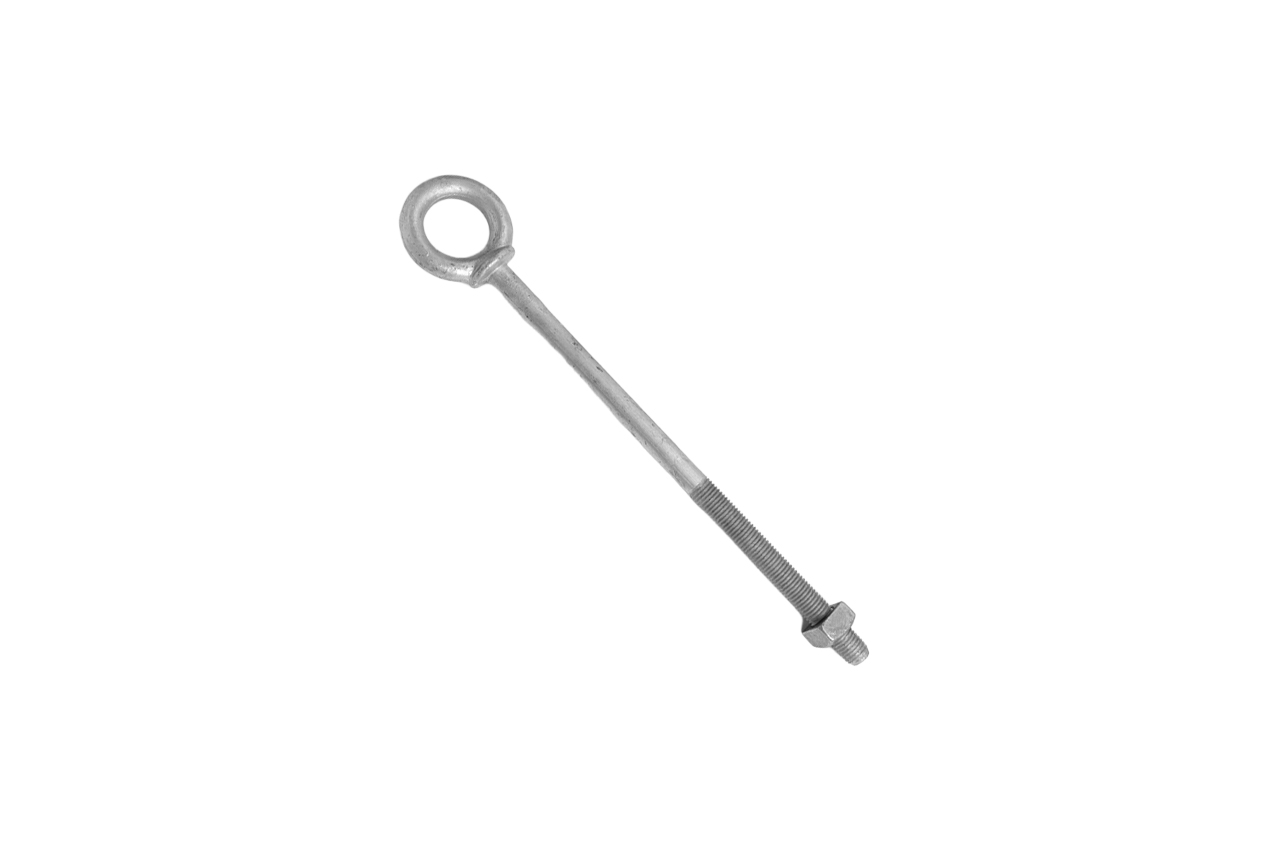
Imagine a scenario where power outages are frequent—impacting not only daily life but also business operations. According to recent reports, nearly 5 to 7% of downtime can be traced back to inadequate fittings and outdated infrastructure. This situation underscores the essential role that electric power fitting plays in ensuring reliability. Among these, pole line hardware is a cornerstone for maintaining the integrity of our electric grids and networks. Have you ever considered how the wrong selections in hardware could lead to significant inefficiencies in power distribution?
The Flaws in Traditional Solutions
Taking a closer look, many traditional solutions in electric power fittings focus primarily on cost rather than effectiveness. I’ve spent over 15 years in this industry, witnessing firsthand how using subpar materials can lead to severe issues like reduced lifespan and higher failure rates. Just recently, while overseeing an upgrade project in the Midwest, a client invested in cheaper fittings only to find they failed within a year—resulting in both financial loss and frustrated customers. It’s a stark reminder that when it comes to hardware, you often get what you pay for.
What Common Issues Arise?
Often, users grapple with hidden pain points, such as improper sizing or compatibility issues with existing components. These problems are not merely inconvenient; they can lead to safety hazards and increased maintenance costs over time. To put it lightly, nobody wants to deal with unexpected failures—it’s a headache, to say the least! By opting for high-quality materials, including superior hardware fittings for transmission lines, users can mitigate these risks effectively.
Looking Forward: The Future of Electric Power Fitting
As we step into a new era, the focus is shifting toward sustainable and efficient solutions. Advanced manufacturing technologies are paving the way for high-performance hardware fittings for transmission lines that enhance reliability while reducing environmental impact. The market is ripe for innovation, and companies that adopt smart fittings are already seeing measurable improvements in operational efficiency. It’s exciting to consider how embracing these updated hardware options will revolutionize the industry.
Real-world Impact of Upgraded Hardware
Reflecting on the advances we’ve made, it is evident that investing in quality has far-reaching benefits. Strategies that integrate advanced materials can significantly extend the lifespan of your fittings, cutting back on maintenance and replacement costs. Personally, I’ve helped clients improve their equipment durability by up to 30%, simply by making informed choices about their fittings. The difference is almost tangible—less downtime, improved customer satisfaction, and an overall boost in productivity. Now, that’s something to get excited about!
Concluding Insights
In closing, it is essential to look at electric power fitting not just as a necessity but as an opportunity for improvement. By prioritizing quality over cost, staying informed on new technologies, and evaluating options based on performance metrics, professionals in our field can make smarter choices that benefit everyone involved. After all, improved hardware solutions don’t just save money; they also contribute to a more reliable service for our communities. I can’t stress enough the importance of quality, flexibility, and integration in today’s fittings. Let’s not overlook this critical piece of our infrastructure; it’s time to embrace change. For reliable solutions, consider partnering with SH POWER.