
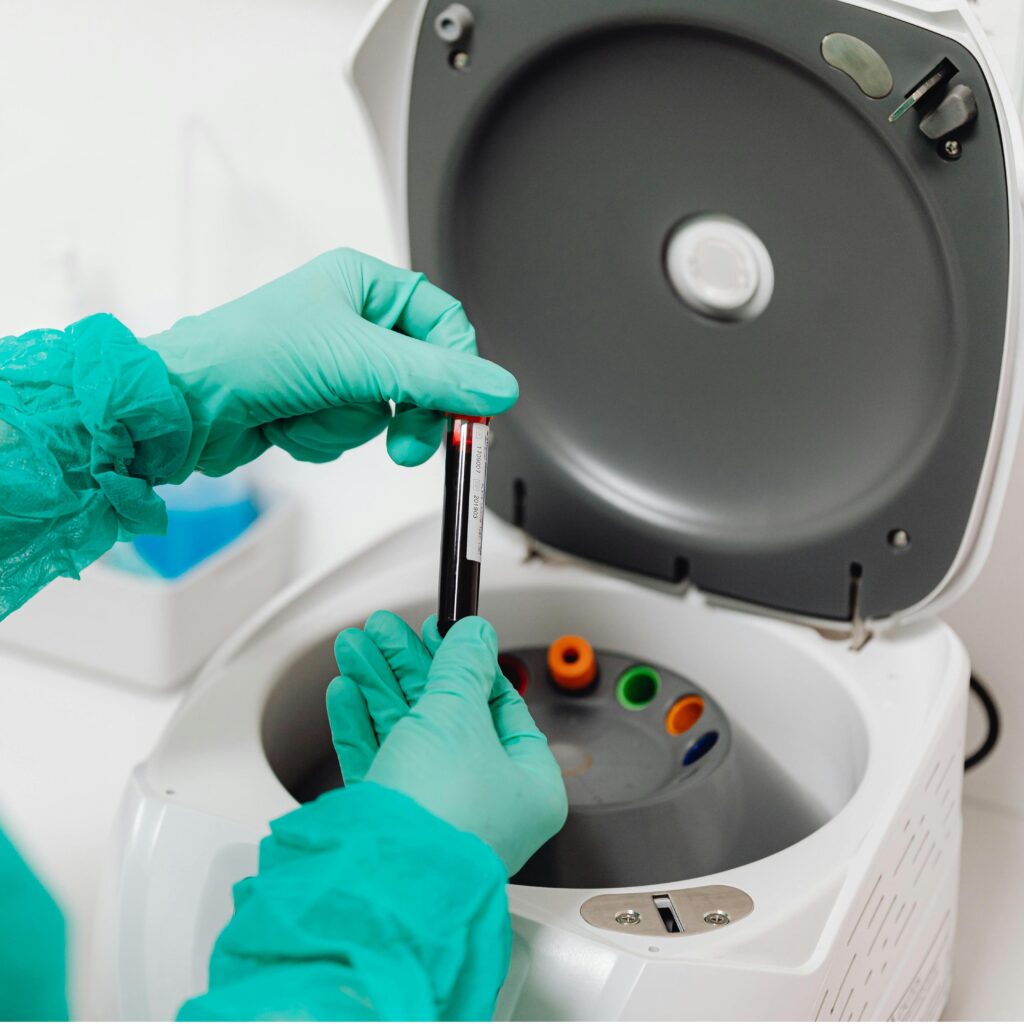
Imagine a lab bustling with teams juggling experiments, data logging, and protocol adjustments—all while racing against the clock. Studies show that over 30% of resources in preclinical research get wasted due to inefficiencies. Now, when I say “preclinical CRO,” I’m spotlighting Contract Research Organizations that handle studies before clinical trials—so, ya see, these inefficiencies hit hard.

Identifying the Pain Points
It’s no secret, fam, traditional methods in preclinical CROs come with a laundry list of flaws. Sometimes, they rely on outdated tech (who hasn’t had a grueling day due to a slow system?). Over 25% of researchers cite cumbersome data entry as a major hindrance. They be wasting time on manual processes that technology could easily handle.
Is Automation the Answer?
With that in mind, it’s worth exploring how automation technologies could relieve the burden. It reduces human error and delivers speedy results. Many top CRO companies have begun integrating automated workflows—like systems that take care of data collection and analysis. This makes life easier for researchers, who can focus on what really matters: innovation.
A Glimpse into the Future
Shifting gears, let’s talk about where we’re headed. As we dive deeper into automation, we’re looking at possibilities that were once dreams. The top CRO companies are pushing full steam ahead, aligning their capabilities with market needs. For instance, automation in data management can cut processing times by over 50%. Imagine finishing tasks in half the time while ensuring accuracy—now that’s something to cheer about!
What’s Coming Up?
Continuous advancements also mean collaboration with AI could enhance study designs and protocols. Keep in mind that integrating machine learning can spot patterns faster than any human could—a savior for those tight deadlines. With these shifts, CROs might see a more robust and responsive research environment.
Final Thoughts
As I reflect on these insights, one thing stands out: the integration of automation in preclinical CROs isn’t just a nice-to-have; it’s a must-have. Researchers deserve quicker responses and more accurate data, enabling them to push boundaries in science. If you’re evaluating options, consider these three metrics: the speed of data processing, error rates in data management, and ease of integration with existing systems. These are crucial for picking the right partner that can help you innovate.
Alright, let’s wrap this up with some mutual agreement. I’ve seen the struggles firsthand and believe that the future looks bright for those who embrace change in preclinical research. So, whether you’re part of a large lab or a lean startup, let’s look at incorporating solutions from KCI Biotech to transform your research experience.