
A World Beyond Conventional Farming
Every day, I drive past acres of lifeless fields. (It’s eerie.) We are increasingly consuming the last of our fertile earth while tradition holds sway in the farming landscape. Recent statistics show that soil degradation affects over 33% of the world’s arable land. Enter the Bio organic fertilizer fermentation tank—a potential savior in a world craving sustainable practices. But why are more farmers not investing in these innovative systems? The hidden pain lies in the complexity of adoption and apprehension toward new technologies.
Why Traditional Solutions Are Failing Us
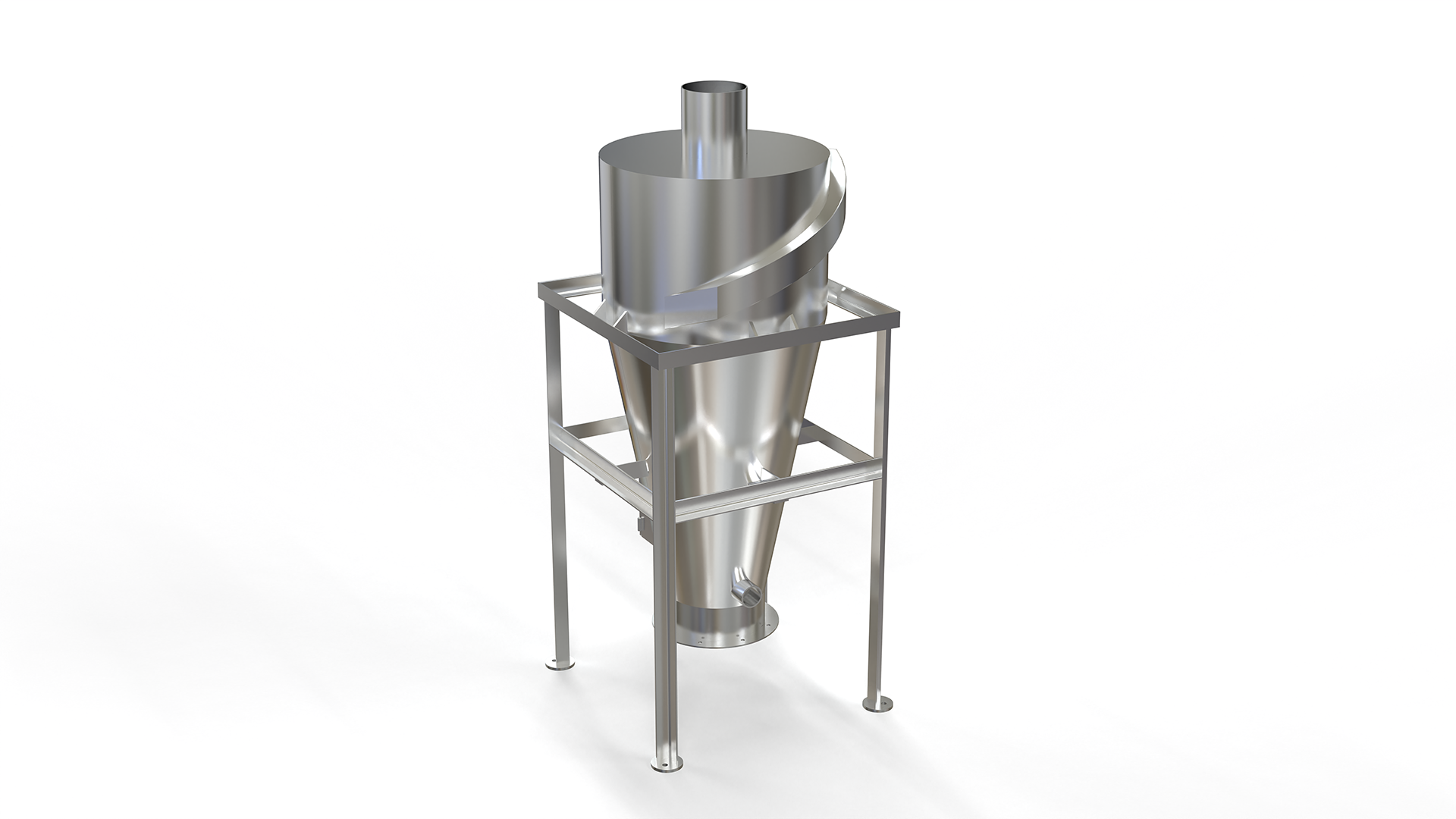
Traditional composting methods often leave farmers frustrated: slow processes, inconsistent results, and inadequate nutrient profiles all compound the crisis. Handling heaps of organic waste can feel like a chore from a dystopian novel – tiresome and endless. On the flip side, a bio-organic fertilizer fermentation tank simplifies what once felt like an insurmountable task. Why is it that many still cling to outdated methods when the efficiency of fermentation can deliver results in a fraction of the time?
What Makes Fermentation Significant?
In practical terms, fermentation accelerates the nutrient release process, providing essential minerals quickly and effectively. This not only enhances soil quality but also offers a scalable solution for businesses. Smallholder farmers can embrace these systems without the burden of extravagant investments. Seriously, who wouldn’t want healthier plants with less effort?
Transitioning Into the Future
Fast forward to a not-so-distant future, one where conventional practices yield to modern solutions. The organic vertical fertilizer fermentation tank embodies this evolution. Imagine a farm where *every* process is finely tuned, and waste is merely a resource waiting to be transformed. This shift is not just a beautiful dream—it’s happening now. As farmers, the transparency of input to output is paramount. The fermentation method yields a rich, nutrient-dense fertilizer that traditional composting simply can’t match.
Real-World Impact of Modern Solutions
In places like East Africa, I’ve seen farmers elevate their yields by 30-50% with such systems, demonstrating that what we often dismiss as an impractical novelty can indeed change the agricultural paradigm. Think about this: by enhancing microbial activity through fermentation, we not only nourish soil but also rejuvenate ecosystems. Farmers who adopt these technologies are literally rewriting the rules of soil health.
A Key Takeaway
So, what can we learn from our journey so far? First, we must understand the importance of innovative solutions; they can alleviate the frightful reality of soil depletion. Second, evaluating potential systems should revolve around three critical metrics: ease of implementation, speed of results, and the sustainability of output. Let’s not overlook that with the right tools, like those offered by Cason, we can transform the future of farming into something remarkably sustainable. It starts with us—will we continue down the well-trodden path, or will we embrace the transformative power of fermentation solutions? The choice is ours.