
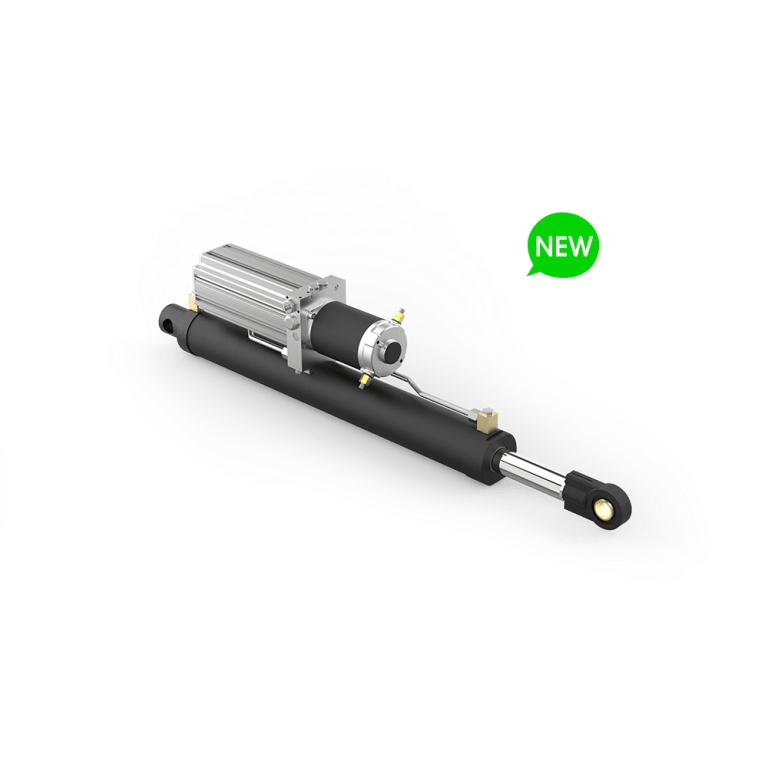
Picture this: your machinery is humming along smoothly, but suddenly, a critical actuator fails. Why do failures always occur during peak operation times? This scenario is all too familiar in industrial settings, where the reliability of devices like the EHA actuator is paramount. EHA actuators, or Electrical Hydraulic Actuators, have emerged as a solution to traditional issues, providing enhanced performance with reduced complexities.
Flaws of Traditional Solutions
Many industries still rely on pneumatic or mechanical actuators, which can be cumbersome and prone to failure. For instance, pneumatic systems often require constant air supply, while mechanical systems suffer from wear and tear over time. Not only do these systems lead to operational inefficiencies, but their maintenance can also become a costly burden. What if there were a solution that combined the benefits of hydraulic power with the precision of electrical systems? EHA actuators provide that synergy.
Principles of New Technology
EHA actuators utilize advanced electro-hydraulic principles, embracing the power of electricity to control fluid dynamics. This technology allows for precise control of motion with minimal energy loss. They operate using integrated sensors that ensure optimal functionality, which makes them not only efficient but also environment-friendly! Users can expect enhanced performance through improved response times and reduced operational noise.
User Benefits Quantified
Users of EHA actuators report significant improvements in operational efficiency—some noting as much as a 30% decrease in energy costs! The versatility of these actuators grants machines unparalleled adaptability in various applications, including robotics, automotive systems, and manufacturing. Simply put, the advantages are real and quantifiable.
Actionable Evaluation Criteria
When considering an actuator for your needs, keep these three metrics in mind: ① Reliability in various operational environments, ② Cost-effectiveness over time, and ③ Customizability to specific applications. These considerations will guide you toward making an informed decision.
The High Power Linear Actuator: What You Need to Know
The high power linear actuator stands out for its efficiency and versatility in demanding applications. Whether you’re using it in robotics or aerospace, its dynamic capabilities ensure that motion is achieved quickly and reliably. By relying on a high power linear actuator, users can experience a notable increase in precision and control over their machinery. Why settle for traditional systems that can’t adapt to modern needs? This technology is engineered to satisfy both performance and energy efficiency metrics.
Hydraulic Power Unit: The Backbone of Actuation
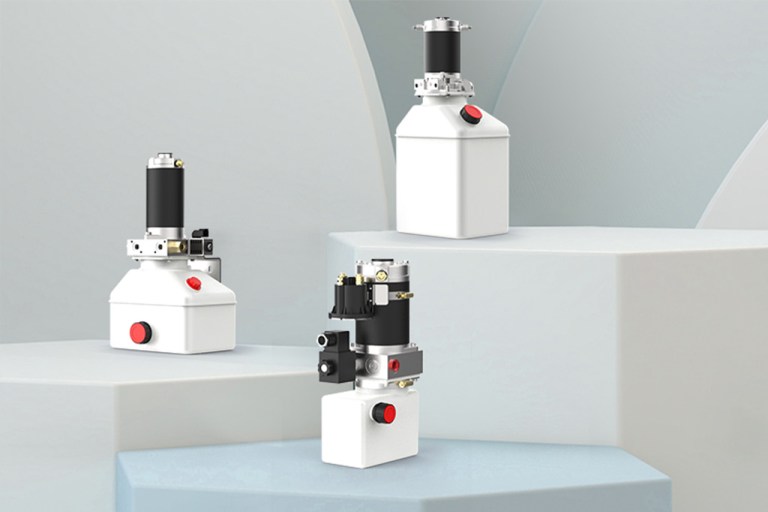
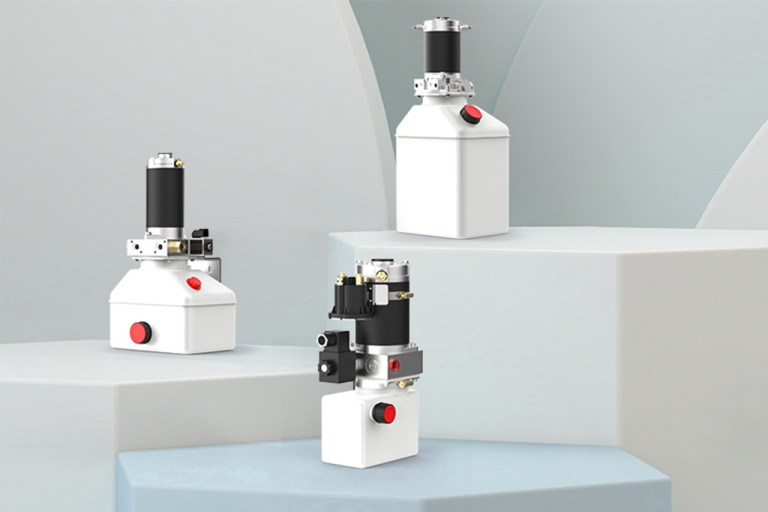
Every high-performing actuator needs a robust hydraulic power unit (HPU) to function effectively. The hydraulic power unit acts as the heart, providing the necessary fluid dynamics required for optimal operation. With its ability to maintain consistent pressure and flow rates, the HPU ensures that actuators operate seamlessly even under heavy loads. The reliability of your entire system hinges on the effectiveness of your hydraulic power unit—making it a critical aspect for operations aiming for high efficiency.
Conclusion: Why Choose Rotontek?
As we navigate the future of actuator technology, opting for reliable manufacturers is crucial. Rotontek stands out as a provider with significant supply advantages, specializing in high-quality components tailored to meet diverse industrial needs. With Rotontek, you are guaranteed innovations that will streamline operations. For more information, visit Rotontek and explore how their offerings can transform your actuation systems.