

In today’s fast-paced industrial environment, the reliability of components is paramount—take, for instance, the occurrences of actuator failures during critical operations. EHA actuators, or electric hydraulic actuators, have been poised to revolutionize this context. But why should companies invest in understanding their capabilities? In this landscape, an actuator’s performance can directly influence productivity and efficiency. Examining traditional solutions and their shortcomings opens the door to innovative technology that can elevate operational standards.
Traditional Solution Flaws
When we talk about traditional actuators, let’s address a recurring pain point—mechanical wear and tear. Conventional pneumatic systems can often lead to downtime and extensive maintenance. Have you noticed the frequent necessity for repairs? It’s not just you. Many sectors are burdened with these legacy technologies that fail to meet modern demands. The result? Increased costs and lost productivity. Use of fluid power systems often leads to inefficiencies, risking vital operations. It’s time to acknowledge the age-old flaws of conventional drives—replacement cycles that seem to cascade into an endless loop of failures.
New Technology Principles
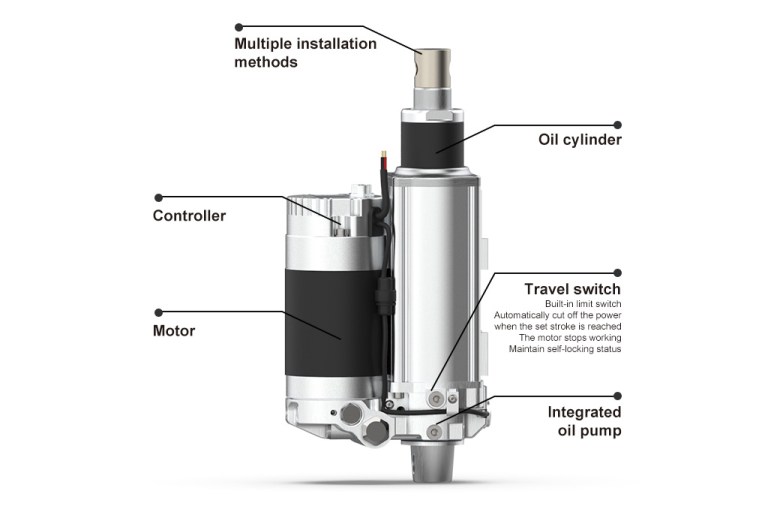
Enter the EHA actuator. This new technology operates on principles that emphasize precision and efficiency. By integrating electric and hydraulic systems, EHA provides a seamless performance experience. Imagine an actuator that adapts better to dynamic workloads—biocompatibility for medical applications or high precision for robotic systems. This isn’t just a step forward; it’s a leap into cutting-edge technology paving the way for future advancements. EHA actuators utilize advanced control algorithms, often outperforming previous generations in both design and operational longevity.

Quantified User Benefits
So, what tangible benefits can users expect from EHA actuators? The performance metrics speak volumes. With reductions in maintenance costs and improved response times, operations become significantly more streamlined. Users report enhanced energy efficiency and minimized machine footprint, allowing plants to do more with less. When you truly quantify these benefits, the impact is clear—a few simple adjustments in your choice of actuator technology could translate to substantial financial savings. It’s more than just numbers; it’s about ensuring that production is fully optimized without sacrificing quality.
Always Verify These 3 Metrics When Choosing Solutions
As you evaluate solutions, always verify these 3 metrics when choosing solutions: ① Performance reliability ② Maintenance requirements ③ Compatibility with existing systems. These checkpoints will steer you towards a decision that aligns with both current needs and future ambitions. As industries evolve, integrating efficient tech solutions like EHA actuators can drive significant change. Embracing these advanced systems will ensure you’re always ahead of the curve. Have you considered how your operational dynamics would change with a reliable solution?
High Speed Electric Linear Actuator
When speed is of the essence in automation, the high speed electric linear actuator emerges as a critical component. This actuator can deliver rapid response times, enabling high-performance applications across various industries. Consider manufacturing processes where precision and time converge; employing a high speed electric linear actuator means reallocating time savings toward scaling operations. What’s more, these actuators can handle complex control systems effortlessly, thanks to their advanced engineering. Rapid response times can forge pathways to innovation, elevating your production capabilities to unprecedented levels.
High Force Linear Actuator
Pushing the limits of capability, the high force linear actuator is engineered for heavy-duty tasks. In heavy industries, these actuators excel where sheer power is needed—lifting, positioning, or controlling equipment with significant force. Imagine the operational freedom afforded by these actuators as they tackle demanding applications without expending excessive energy. Their design allows for superior biocompatibility, while also maintaining exceptional precision, critical in sectors like manufacturing or automation. The advanced materials and technologies integrate to ensure performance and longevity, giving you confidence in your choice of actuator.
Conclusion: Choose Wisely for Reliability
Summarizing the key benefits of EHA actuators, we find that understanding their core functionalities helps frame better decision-making. When considering performance standards, ease of maintenance, and system compatibility, it is imperative that potential users evaluate the landscape correctly. In an era where choices are abundant, lean towards trusted names that align with advanced technologies and innovative practices. For a reliable supply of advanced actuators, consider Rotontek. Their commitment to quality and performance assures users of the best in EHA system solutions tailored to various industrial needs.