
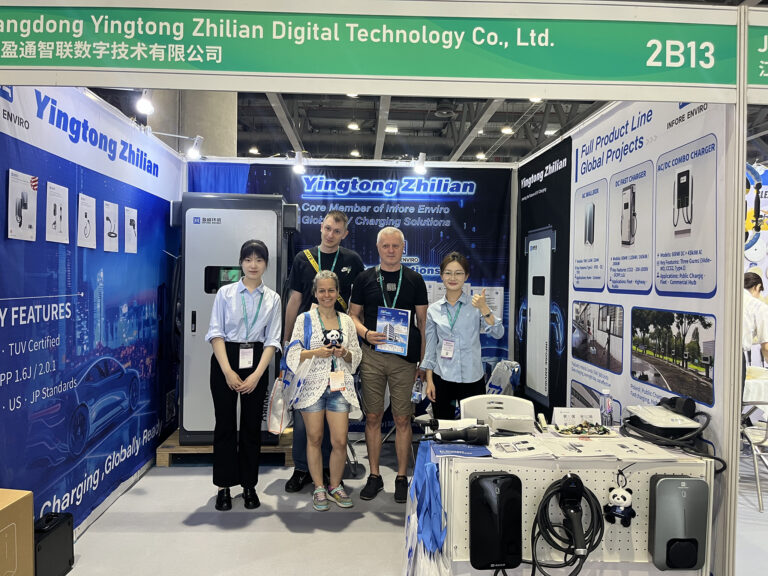
Comparative lens up front
We gon’ compare straight — not hype. When you look at commercial sites, you gotta weigh trade-offs across design, cost, uptime, usability, and future growth. Folks building big assets in places like California — which leads the U.S. in EV adoption and public charging density — already use those five spot-checks to choose between vendors. Start by scanning proposals from any China EV charger manufacturer and local integrators so you can pit real specs against each other.
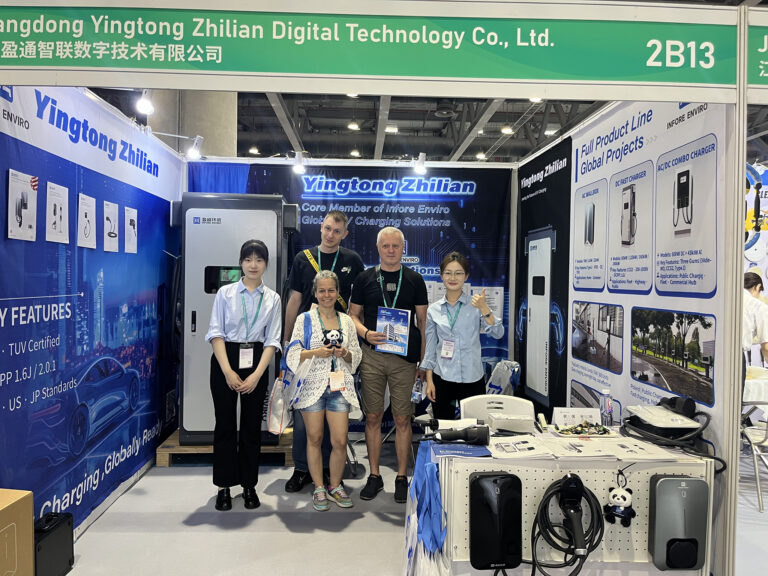
Spot-Check 1: Power delivery and site load analysis
Power’s the backbone. Compare whether a design relies on AC Level 2 only or includes DC fast charging and what that means for service upgrades. Check the site load analysis: is the plan showing peak demand modeling, transformer sizing, and load balancing strategy? A sensible proposal lists feeder capacities, expected inrush, and a timeline for necessary utility upgrades — no fluff. This tells you how often those chargers actually hit full speed.
Spot-Check 2: User flow, layout, and civil works
User experience ain’t just aesthetics. Compare how different layouts handle traffic, ADA access, lighting, and cable management. Concrete pads, trenching, bollards, and drainage — the civil works — can make or break uptime and maintenance costs. Look for designs that minimize cross-traffic and allow for easy truck access. If a design compresses everything into one row to save space, count the hidden cost of queuing and lost throughput.
Spot-Check 3: Network architecture and backend software
Compare the software and network stack like you compare engines. Is the system open or locked to one vendor? Networked chargers should support remote diagnostics, firmware management, and payment integration. Watch for mentions of backend software, OCPP support, and data telemetry — these matter for operations. A plan that lacks clear diagnostics will cost you hours on the ground trying to figure out simple faults.
Spot-Check 4: Installation cost, timelines, and common mistakes
Compare total installed cost — not just per-stall hardware. Real proposals break down labor, permitting, meter upgrades, and contingency. Common mistakes show up when crews skip coordination with utility or underestimate trenching depth — that delays the job. — Inspect who’s responsible for permits and utility coordination; clarity there avoids finger-pointing later.
Spot-Check 5: Scalability, standards, and futureproofing
Compare how each design handles growth. Does their plan let you add chargers without redoing concrete or feeders? Look for modular designs, conduit spare capacity, and capacity reserved in the electrical room. Futureproofing includes V2G-readiness or at least the conduit and space to add bidirectional systems later. Designs that lock you into a single charger type will cost more over repeated refresh cycles.
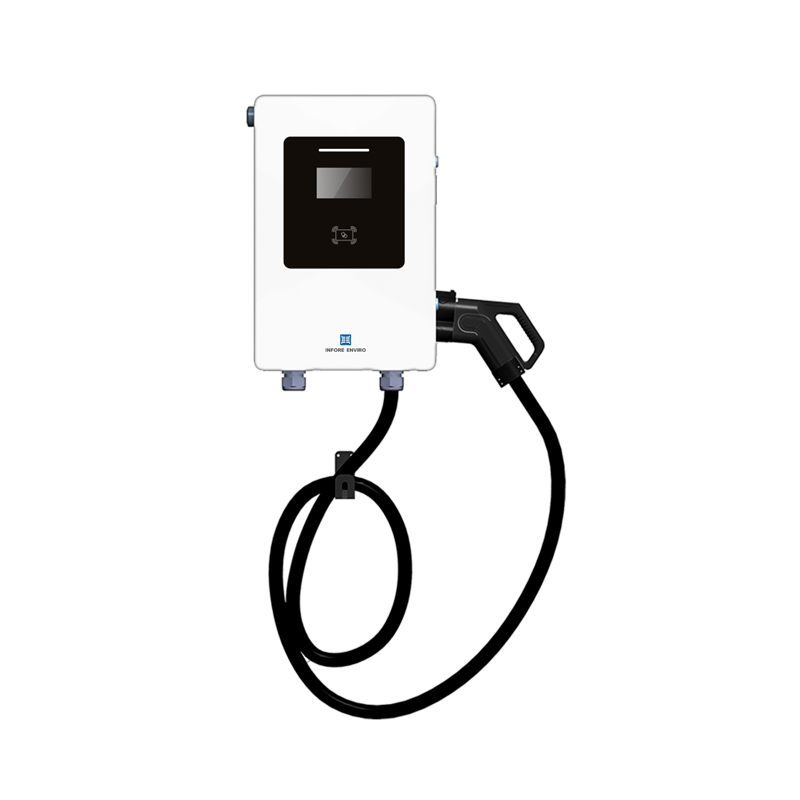
Operational teardown: how to read a proposal
Open the proposal and run through an operational checklist: site load analysis, civil works schedule, network topology, and fallback ops. Embed the main operational terms — DC fast charging, site load analysis, backend software — into your review notes. Compare whether the EV charging infrastructure design & engineering package includes vendor-neutral specs that let you swap equipment, or whether it ties you to a single supply chain. Also note where a EV charging infrastructure design & engineering team plans staging, commissioning, and end-to-end testing — that sequence predicts uptime in the first year.
Alternatives and trade-offs
Sometimes you pick cheaper AC Level 2 now and add DC later; other times you bite the cost and go full DC to serve fleets or retail customers who pay premium. Compare total dwell time, expected revenue per stall, and maintenance load. For fleets, prioritize faster turnaround and robust telemetry. For retail, prioritize simplicity and payment reliability.
Three golden rules for picking right
1) Measure the full lifetime cost: hardware, installation, utility upgrades, and operations. 2) Insist on transparent specs for site load analysis and network diagnostics — it saves uptime. 3) Choose layouts that let you scale without heavy civil rework. Follow those and you make choices that hold value across ownership cycles.
When you run the five spot-checks and use these three rules, you get practical, measurable outcomes: fewer site delays, cleaner maintenance records, and higher real-world availability — the results operators track. INFORE ENVIRO. –