
Introduction
I once stood at a busy bus depot while a sudden downpour slowed everything to a crawl — buses idling, drivers tapping their watches, and all the while schedules slipping. The pantograph charger sat above, quiet and reliable, a neat bit of engineering most folk barely notice. Recent figures show urban transit fleets are shifting to electric at a fast clip (over 40% growth in some regions), and that raises a simple question: are we treating the charging layer with the care it deserves?
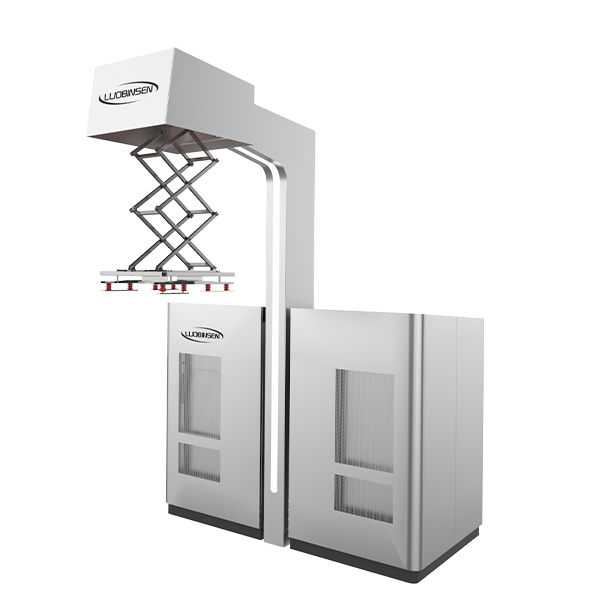
I reckon we should. The scenario, the numbers, and the practical headaches add up to one key query: how do we make overhead charging work for real-world operations? – let’s walk through that and see where the surprises lie. Next, I’ll dig into why the usual fixes don’t always cut it and what users quietly struggle with.
Why Conventional Charging Falls Short
When you search for solutions, the term electric ev charging station pops up everywhere — but many of those stations are designed for cars, not heavy, schedule-driven fleets. I’ve watched planners shoehorn standard DC fast chargers or depot chargers into contexts where dynamic overhead charging would be smarter. The result? Bottlenecks, longer downtime, and tricky grid demands. From an electrical standpoint, issues like transient currents and inconsistent contact pressure can cause wear on the contact strip and pantograph head. Add in load management complexities and you’ve got a recipe for reduced availability.
Technically speaking, the shift to pantograph systems involves more than lifting a contact arm. You need robust power converters, reliable current collectors, and precise control logic to avoid arcing and misalignment. That’s where many standard setups stumble — they underestimate mechanical tolerances and the need for real-time communication with fleet telematics. Look, it’s simpler than you think when you break it down, but only if you account for those engineering details early on. So — what do operators actually feel? They feel unpredictability, extra maintenance cycles, and anxiety about reliability. That friction shows up as late services and frustrated drivers; not pretty, and expensive.
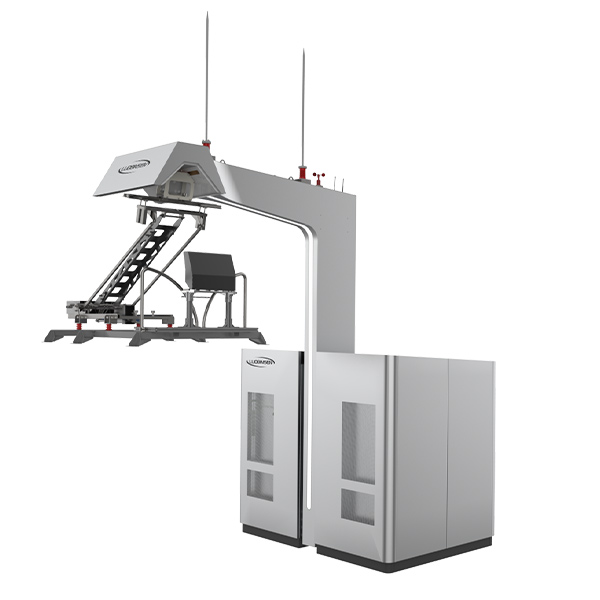
What’s the core pain point?
In short: the mismatch between station design and fleet operation. Older station concepts assume long, static charging sessions. Pantograph charging often demands brief, high-power bursts synchronized with routes — and that changes everything.
New Principles and a Look Ahead
Now let’s shift forward. I want to explain some new technology principles that make pantograph ev charging more practical at scale. First, modular power electronics allow for smoother ramp-up and better thermal control — which cuts wear on the contact interface. Second, edge computing nodes deployed at depots can handle local control loops and safety checks without round-trips to central servers. Third, standardized communication protocols (think vehicle-to-infrastructure handshakes) reduce alignment errors and downtime.
These principles combine to give fleets predictable uptake and shorter dwell times. For example, a bus might draw a 3–5 minute top-up during a layover; with smart control, that energy transfer is efficient and repeatable. I’ve seen pilots where integrated load management and adaptive charging schedules trimmed both peak demand and maintenance events — funny how that works, right? Still, deployment needs careful planning: you must match pantograph head geometry, contact strip metallurgy, and substation capacity to the route profile. Miss one, and you’ll hear about it fast.
Real-world impact and next steps
Looking ahead, I think the payoff is clear: higher uptime, faster turnarounds, and lower lifecycle costs if you get the system design right. But it’s not plug-and-play. We should measure proposals against real criteria — not just headline kW figures.
So here are three practical metrics I use when evaluating solutions: 1) Availability under schedule constraints — what percent of planned departures are affected by charging interruptions? 2) Energy transfer per stop — how much usable kWh is delivered reliably in short stops, accounting for pantograph alignment and converter efficiency? 3) Maintenance impact — frequency of contact replacement and unplanned downtime. Those three tell you whether a system will live up to promises. I’d add one more thought — talk to drivers and depot techs early. They notice the small problems before the numbers show up.
In closing, I’ve learned you don’t win by spec sheet alone. It’s the combination of mechanical design, power electronics, and ops-aware software that makes pantograph chargers truly valuable. If you want a trustworthy partner in this space, take a look at what Luobisnen is doing — they focus on integrating those pieces for real fleets, not just demos. We’ll need that blend of hardware and practical know-how as more cities move to electric buses and trams.