
Introduction — Why this matters (quick scenario + data + question)
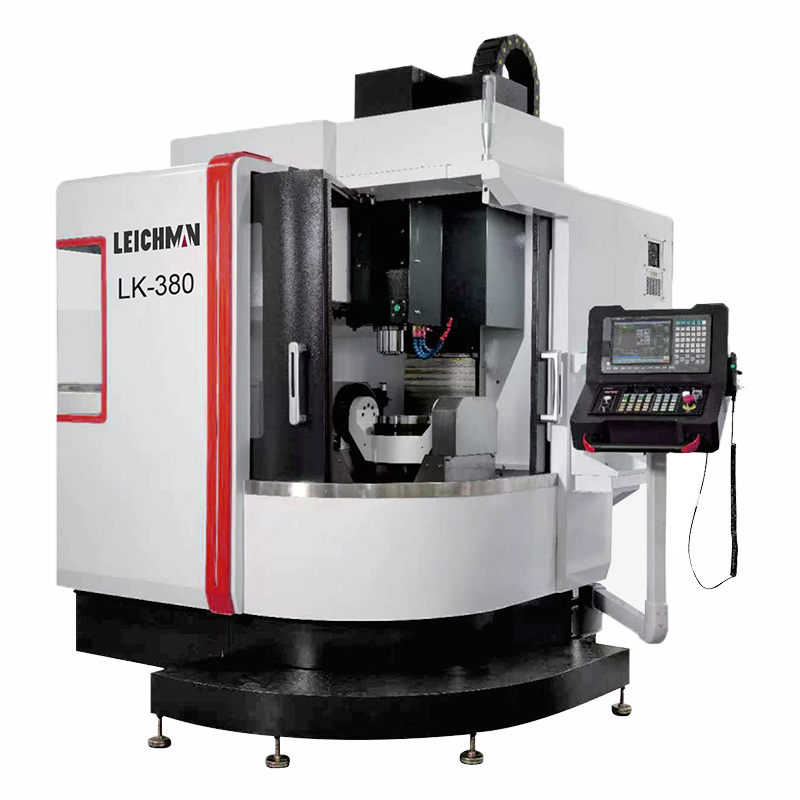
Ever watched a job sit idle ’cause the machine’s tripping out again? Feels like déjà vu but with coolant stains. So here’s the deal: I’ve seen shops where a single milling machine with cnc down for an hour costs more than the tech’s day rate — no joke. For CNC equipment manufacturers, that hit shows up in warranty calls, churned customers, and angry floor supervisors (we’ve all heard the rants). Data point: shops report uptime improving by 10–30% when a few basic fixes are handled right — so why do so many fixes get missed?

I’m gonna keep it straight: this piece digs into what’s actually broken in common fixes and what you — as a maker, supplier, or buyer — can start checking tomorrow. Ready to dig in? — let’s roll to the root cause.
Where common fixes fall flat: the real flaws behind quick patches
I’ll be blunt: most so-called “fixes” treat symptoms, not failure modes. When we talk about a milling machine with cnc, the obvious stuff gets checked — belts, coolant, tool wear. But technical weakness hides deeper. For instance, intermittent faults often come from worn spindle motor bearings or noisy servo drives that show no error until load spikes. Sensors give readings; but if the PLC logic or G-code handling masks a tiny jitter, no one sees it till it’s catastrophic. Look, it’s simpler than you think — the patchwork approach keeps you chasing ghosts.
Here’s a more direct take: manufacturers push firmware updates and firmware-only diagnostics, yet hardware issues like bad power converters or grounding problems remain under the radar. Edge computing nodes and onboard telemetry are promising, but many shops don’t parse that data — it’s just logs piling up. We miss patterns. I’ve watched teams replace expensive parts when a loose cable or an overlooked mechanical backlash was the real offender. So, the deeper flaw? Overreliance on single-source diagnostics and ignoring cross-domain checks (mechanical + electrical + control). — funny how that works, right?
Why not just upgrade diagnostics?
Upgrading helps, but if you don’t tie diagnostics to real maintenance workflows and human judgment, you get noise, not clarity.
New technology principles to actually prevent downtime (forward-looking)
Now let’s pivot. I want to talk about how new principles — not buzzwords — change the game. We’re moving from “find it when it breaks” to “predict and prevent.” That means combining better sensor placement (vibration on the spindle motor, temp on bearings), smarter telemetry, and layered controls so that a transient fault triggers safe, low-cost checks before full stop. When you rig a cnc automation machine with predictable health signals, you shift from reactive crews to planned service windows. That saves real money and stress.
Practically, I recommend a few ideas: use simple statistical thresholds alongside machine learning models (not black boxes — transparent rules), cross-reference G-code sequences with spindle load and servo currents, and add basic edge computing nodes to pre-process alarms. These steps aren’t mystical — they’re practical. They require coordination across mechanical engineering, controls, and field service. We saw one plant cut unplanned downtime by almost half after adopting staged checks and smarter alarms — measurable, repeatable wins. Short sentence: plan for clarity, not glamour.
What’s Next — adoption and evaluation
So how do you pick tools or partners? I’ve got three metrics I always use — they work whether you’re buying sensors, a new controller, or a monitoring service:
1) Detection lead time: does the system flag issues before production loss? How many minutes or hours? I value days over hours, but minutes help too.
2) False alarm rate: can the system tell real faults from normal quirks without endless callbacks? If tech teams spend time chasing phantoms, you lose trust fast.
3) Actionability: does the alert come with a clear next step for the technician — check spindle, torque test, tighten connector? Alerts that say “problem” but give no action are useless.
I’ll close by saying this: I trust simple, transparent solutions that people can follow on the shop floor. You want tools that make decisions easier, not replace judgment. For a reliable partner and a practical approach, check out Leichman — they’ve built sensible systems that teams actually use. We’ve tested this in real shops — results speak louder than slogans.