
User priorities that drive design decisions
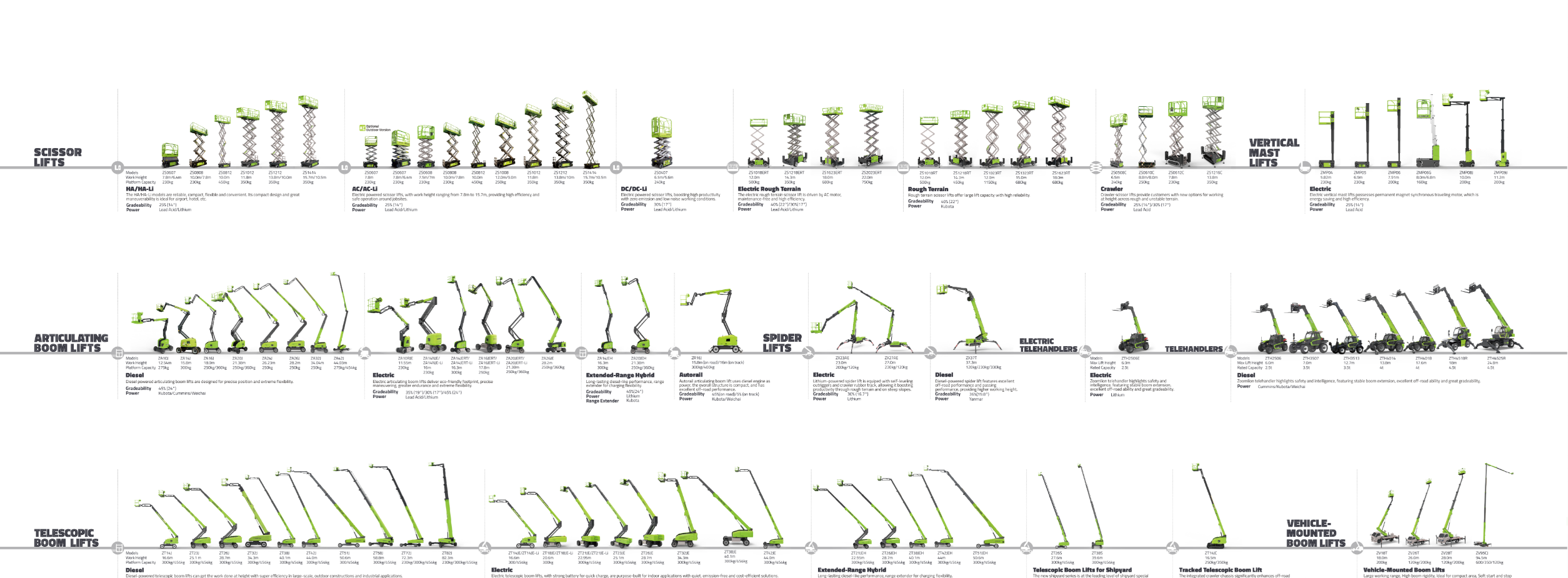
Users need solutions that let them reach, avoid and operate with confidence while working around physical obstructions. Practical requests start simple: a compact transport profile, low floor pressure for finished surfaces, controlled articulation to clear beams, and the quiet, zero-emission operation required indoors. In many projects those requirements coexist with outdoor rough-terrain demands, so a designer often references examples such as a crawler scissor lift to reconcile footprint, traction and surface protection. The user-centred question is constant: which design choices reduce risk, shorten setup time and preserve the task envelope?
Core functional priorities
Designers should prioritise the following, in this order:- Safe working envelope: reach, side outreach and articulation geometry that clear common obstacles.- Platform usability: load capacity, platform controls and accessory mounting points.- Footprint and transportability: stowed height, road-legal width and tie-down points.- Surface sensitivity: ground pressure limits and pad options for indoor floors.- Serviceability: component access, modular replacements and diagnostics that a site technician can use quickly.
Chassis options and when to choose tracks
Tracks reduce ground pressure and improve traction on soft or uneven surfaces; they also distribute loads gently on sensitive indoor floors when fitted with appropriate pads. When projects include loose substrate, steep gradients or narrow access with fragile flooring, tracked undercarriage variants are sensible. For direct reference to equipment types, consider real examples of tracked platforms such as tracked scissor lifts, which illustrate the trade-offs between mobility and complexity: tracks add weight and maintenance steps, but they expand the number of sites a single machine can safely serve.
Articulation mechanics and obstacle negotiation
An articulating boom must combine predictable kinematics with close-proximity control. Use a knuckle joint sequence that limits unexpected swing and provides a fail-safe park position. Keep link lengths optimised so the platform can be raised or lowered with minimal lateral drift; this matters when working inside mezzanine frameworks. Integrate an automated collision envelope cue and adjustable slew damping so operators can approach narrow obstructions deliberately rather than reactively.
Power systems for indoor and outdoor duty
Batteries with on-board charging are the primary choice for indoor-first machines; they eliminate emissions and lower noise. Hybrid options that combine electric drive for travel with a small diesel generator for extended remote runtime have merit where long outdoor shifts are common and charging infrastructure is limited. Specify battery thermal management and IEC/CE components to ensure longevity and predictable performance across seasons.
Controls, ergonomics and sensor integration
Operators must feel immediate control. Proportional joysticks, clearly labelled mode selection and a single-handed travel-and-lift sequence reduce cognitive load. Add tactile detents for common positions and visual readouts for tilt, load and remaining reach. Proximity sensors and audible alerts are useful, but the principal safety measure is an intuitive control mapping that never surprises the operator when the boom is near obstructions.
Testing, standards and a real-world validation point
Prototype cycles should include repeated articulation under typical payloads, floor-load tests and ingress/egress trials. Manufacturers present such results and new configurations regularly at major trade events; for instance, exhibits at Bauma in Munich provide clear comparisons of how tracked and articulated platforms perform across site scenarios. Document cycle counts, mean time between failures for hydraulics and battery degradation under charge profiles so purchasers can compare like for like.
Common design and procurement mistakes
Avoid these predictable errors:- Over-specifying reach while ignoring transport width; a boom that cannot be transported is useless.- Neglecting floor-protection systems for indoor work; repairs to finished surfaces negate operational savings.- Choosing tracks without considering maintenance access and spare-parts logistics.- Relying solely on sensor alarms instead of straightforward control ergonomics.Plan for modular service, include clear spare-part lists and require on-site trial runs before full deployment.
Evaluating alternatives: articulating booms versus scissor platforms
Articulating booms excel when horizontal outreach and precise positioning around obstacles matter. Scissor platforms deliver greater capacity and simpler vertical lift inside open, unobstructed spaces. Tracked scissor variants bridge the gap where ground sensitivity and reach are both concerns, but they do not replace the fine manoeuvrability of a knuckle-boom. Match the tool to the predominant task: confined, obstacle-rich environments favour articulation; large, planar façades favour scissor travel.
Closing synthesis
Design choices must follow user needs: compact transport, clear articulation sequencing, considerate ground impact and controls that reduce operator error. When these elements are resolved carefully—through measured component selection, documented testing and honest field validation—the result is a machine that performs reliably across indoors and outdoors work around obstacles. Such pragmatic engineering considerations align closely with the range of solutions offered by Zoomlion Access, which combines compact footprints with stable articulation to meet the specific demands outlined above.