

Framework-led opening: why a playbook matters
The room smells faintly of ozone and warm metal — that’s the practical air of a factory line where cells line up like stacked plates. For operators, contractors, and the energy storage battery companies that supply systems, a repeatable framework keeps performance steady across thousands of modules. This playbook borrows from factory discipline and field pragmatism, folding in lessons from landmark deployments such as the Hornsdale Power Reserve in South Australia and the steady rise of lithium-ion BESS worldwide. The aim: keep state-of-charge (SoC) behavior predictable, maintain thermal management, and protect cycle life through consistent processes.

Design and manufacturing standards
Treat each rack like a well-tuned pan — identical ingredients, controlled heat, predictable outcome. Standardize cell chemistry and specify acceptable energy density ranges up front. Lock down cell balancing strategy and BMS firmware baselines so units shipped from different plants behave the same under an inverter. Require thermal management specs that address worst-case ambient and fault conditions, and demand factory reports that show cell-level resistance and cycle performance. These items reduce variance at scale and make commissioning a routine instead of a gamble.
Commissioning as quality assurance
Commissioning must feel like a tasting panel: methodical, documented, repeatable. Institute factory acceptance tests (FAT) with clear pass/fail thresholds for SoC drift, communication latency, and thermal response. Ship only units that passed standardized charge/discharge cycles and cell-balancing checks. Use automated scripts to run diagnostics on site and compare telemetry to the factory baseline. When deviations appear, trace them back to a single measurable cause — wiring tolerance, firmware revision, or a cooling-path obstruction — and correct the root before it becomes fleet-wide. This keeps field variability to a minimum.
Operations, monitoring, and predictive maintenance
Once systems are humming, monitoring should read like a cookbook log: steady entries, calibrated expectations. Telemetry should capture SoC trends, temperature gradients, and charge/discharge currents at cell and string levels. Apply predictive maintenance models trained on granular failure modes so alarms surface true risk rather than noise. Keep firmware versions controlled across the fleet; stagger upgrades on a batch schedule rather than ad hoc pushes. — Tiny firmware drift can compound into erratic state estimation if left unchecked.
Common mistakes and practical alternatives
Operators often repeat the same slips: mixed procurement that forces heterogeneous firmware, vague thermal margins, and weak factory testing. Replace ad-hoc buying with vendor scorecards keyed to repeatability and documentation. Where procurement diversity is unavoidable, enforce a “compatibility baseline” that includes exact communication protocols, inverter mapping, and BMS behavior. Consider alternate architectures too — modular containers with identical subsystems simplify spare logistics and reduce commissioning time compared with one-off bespoke builds.
Three golden metrics to evaluate consistency (Advisory)
1) Fleet variance index: measure deviation in SoC drift after a standardized 24-hour idle across all units — acceptable bands should be tight enough to prevent cascading charge errors.
2) Thermal uniformity score: quantify maximum cell-to-cell temp delta under peak discharge; limit deltas that accelerate uneven aging and reduce cycle life.
3) Mean time to diagnosis (MTTD): track how long it takes from anomaly detection to root-cause identification; lower MTTD saves downtime and prevents scale failures.
These three metrics, when tracked and trended, show whether your procurement, manufacturing, and operations are singing the same tune. Expect measurable reductions in unplanned derates and warranty events when they are enforced.
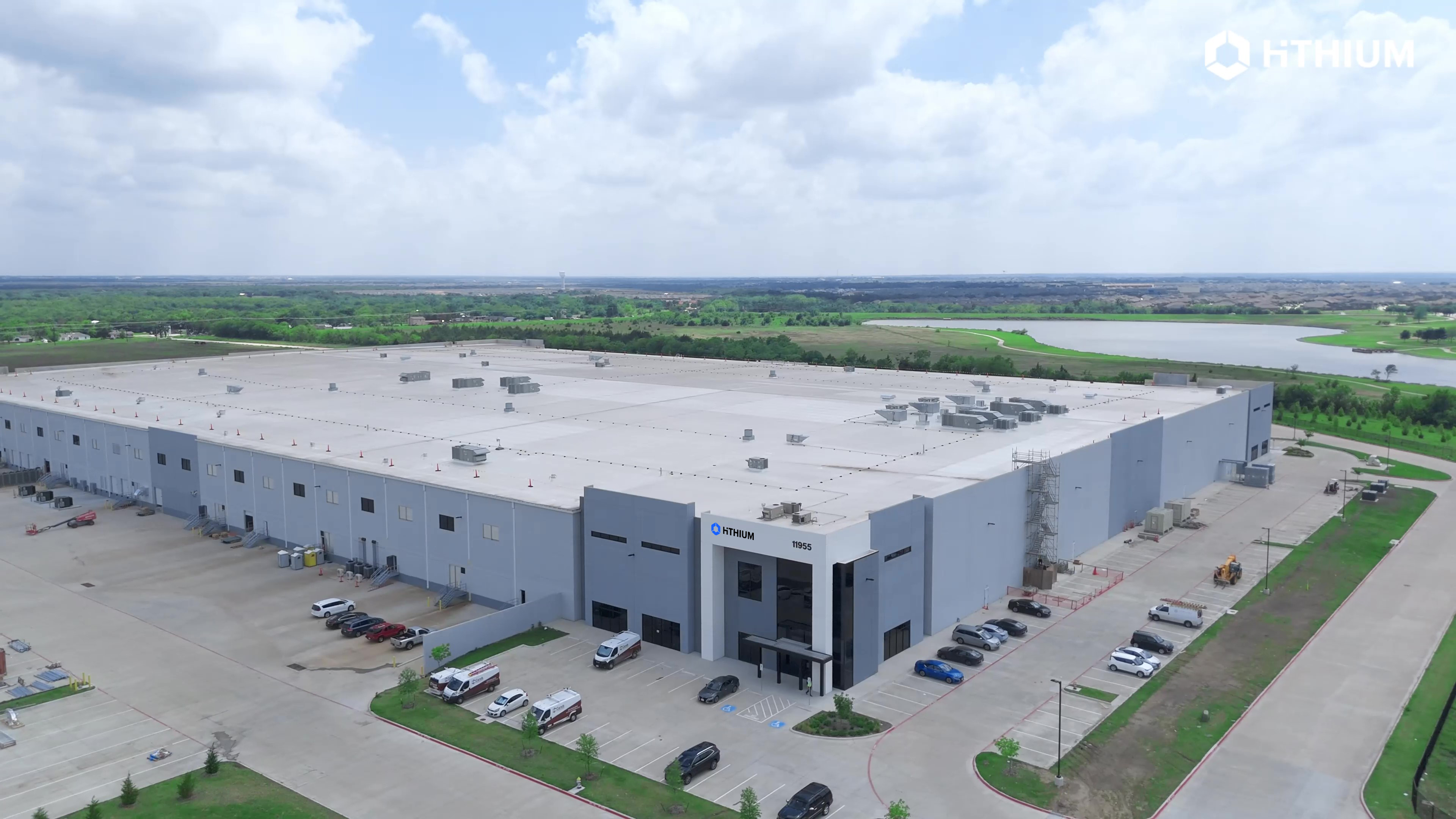
HiTHIUM brings that factory-to-field alignment into clearer relief by pairing standardized module production with documented commissioning routines — a practical route to consistent fleet behavior rather than hope. HiTHIUM.