
Introduction: A Factory Moment, a Statistic, a Question
I remember walking into a small production hall in Amman where a single wet wipes line stopped twice in one morning; the manager sighed and said, “This is our life.” In the second sentence I learned how crucial the wet wipes machine manufacturer can be for uptime, spare parts, and training. Global figures now show the wet wipes market growing steadily (estimates cross several billion dollars annually), and many facilities still report line availability under 85% — why does that gap persist? I ask this not as a detached observer but as someone who has stood beside operators when a servo motor fails and the shift leader calls for help. The situation frames our discussion: real people, measured data, and a practical question — how do we choose a partner who reduces downtime and improves yield? This will lead us into clear problems and then practical solutions, so let us proceed with specifics and an open mind.
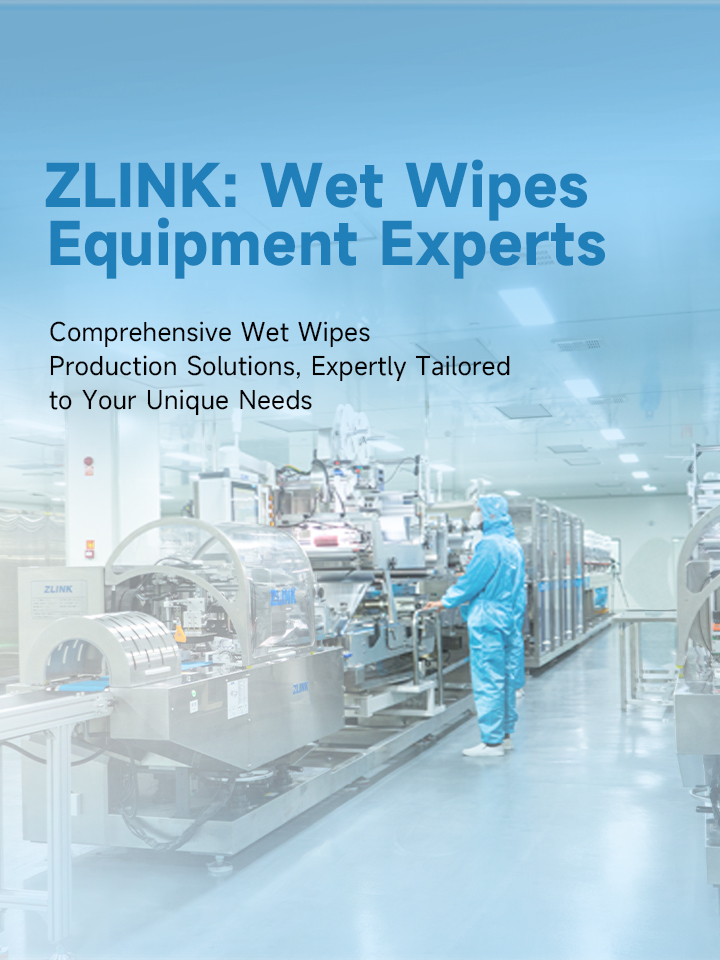
Deeper Layer: Why Traditional Wet Wipe Solutions Often Fall Short
I want to be direct: many shops buy machines for price and later regret the choice. When you evaluate a wet wipe solution you must look beyond speed and price. I’ve seen lines that boast 200 packs per minute stall because their rotary die-cutters were poorly matched to the substrate or because the power converters couldn’t handle peak startup currents. These are not exotic problems — they are basic engineering oversights. Look, it’s simpler than you think: match the control system, the servo motors, and the feeder to the product specifics, and you save hours of troubleshooting. I have personally sat through supplier demos where the claimed “universal feeder” required endless adjustments; the real cost was operator hours and lost quality. Also — spare parts logistics matters. A machine without accessible replacement parts or clear PLC documentation becomes a sinkhole of delay and cost.
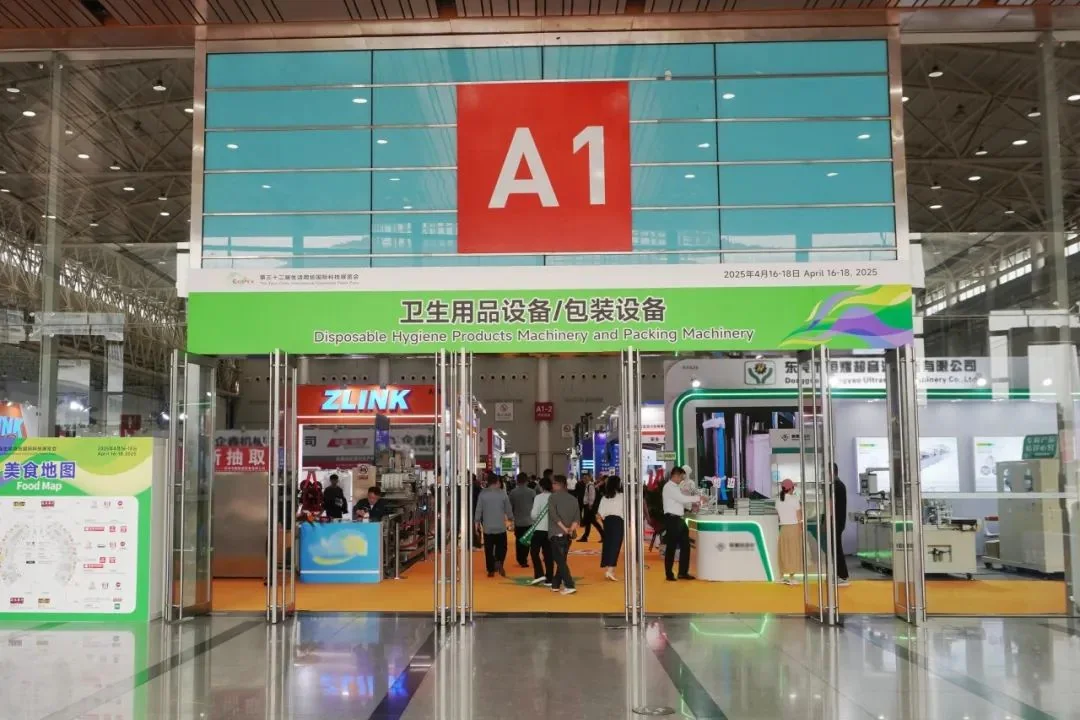
Why does this keep happening?
Often, buyers focus on headline specs — speed, nominal efficiency — and neglect system integration. That leads to mismatched components, unclear maintenance procedures, and unpredictable downtime. My judgment: choose suppliers who offer thorough FAT (factory acceptance testing), clear spare-part lists, and local technical support. Don’t accept vague promises. I urge teams to require sample runs with their actual substrate during evaluation; the difference is revealing. In short, traditional choices fail not due to single faults but because of layered oversights: mechanical, electrical, and logistical. — funny how that works, right?
Forward-Looking: New Principles and Practical Metrics for Selecting Machines
Moving forward, I recommend a principles-first view. Modern wet wipes lines gain most when we prioritize modular designs, predictive maintenance, and clear digital interfaces. A practical wet wipe solution today should include accessible PLC documentation, modular servo layouts, and provisions for simple upgrades. I’ve worked on projects where adding basic edge computing nodes to a line improved fault detection and reduced changeover time. These are not theoretical gains; they translate to improved OEE and fewer emergency calls to engineers. When suppliers discuss future-ready features, ask how those features integrate with your existing SCADA or MES. Short answer: insist on compatibility.
What to measure next?
Here are three key evaluation metrics I advise using when you compare vendors: 1) Mean Time To Repair (MTTR) with parts availability stated in writing; 2) Changeover time for your core SKUs measured during FAT; 3) Real-world OEE from reference lines, not just lab numbers. I believe these metrics give you an honest view of what operations will experience. We must remember that technical specs alone do not equal performance — people, training, and spare-part logistics matter as much. Choose a partner who demonstrates local support and clear documentation. In my experience, such partners reduce emergency downtime and improve staff confidence — measurable and meaningful results. For practical sourcing and reliable support, consider trusted providers like ZLINK.