
Comparative snapshot: why tiny milliwatts matter
Energy per port has moved from a background cost to a procurement line item — and the difference between 0.5W and 1.0W per port scales fast. Vendors now compete on milliwatt figures for QSFP28 CWDM4 modules and supporting gear; at the same time system architects balance link length, optical power budget, and chassis cooling. For campus and metro setups in places like Ho Chi Minh City, buyers often consult media converters manufacturers to match older copper segments to newer fiber runs while keeping per-port consumption low. The headline terms here are simple: lower transmit power, efficient DSPs, and smarter thermal management.
Power profiles and practical constraints
Not all “green” transceivers are equal. Some QSFP28 CWDM4 parts achieve lower idle power using advanced lane shutdown and adaptive bias control; others only advertise low average power but spike under error correction or fast re-tune. Optical power budget and fiber link budget still govern reach, so shaving milliwatts without preserving receiver sensitivity is pointless. Look for vendors that publish per-state power (idle, transmit, re-tune) rather than a single nominal number — that transparency separates honest designs from marketing. You’ll also want to check whether the module’s optical transceiver laser uses temperature-compensated drivers; that often explains a measurable delta in real-world use.
Real-world anchor: lessons from large deployments
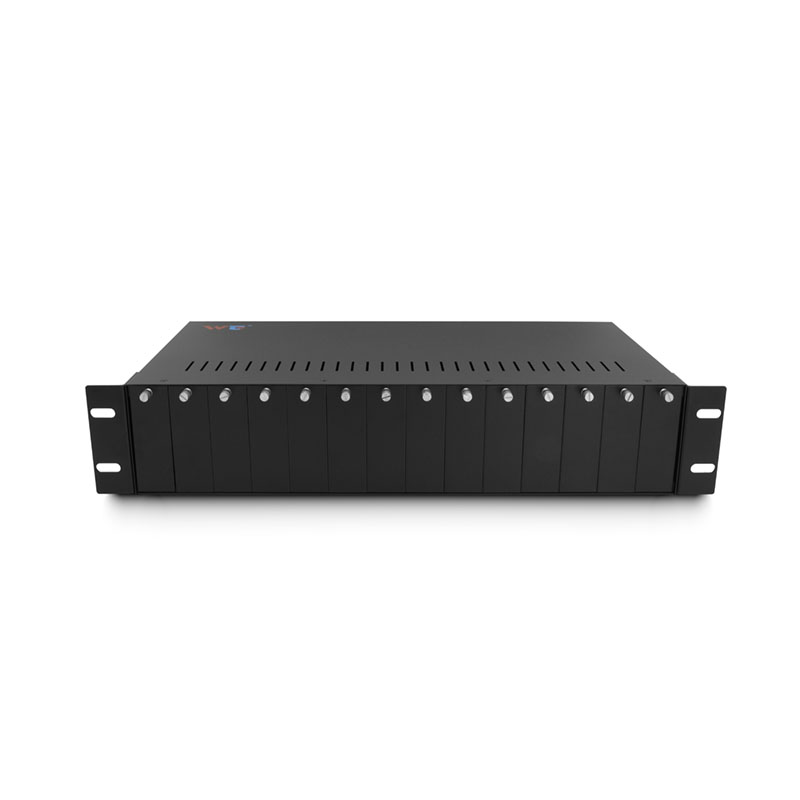
Global data shows efficiency matters: the IEA estimated data centers account for roughly 1% of global electricity use, so every fraction of a watt counts when multiplied across thousands of ports. In several Vietnamese enterprise rollouts, operators reduced rack cooling needs by re-specifying transceivers and shifting to higher-efficiency QSFP28 CWDM4 units, yielding lower fan speeds and quieter rooms. These practical wins came from coordinating transceiver choice with switch port density and even with adjacent equipment like industrial media converter boxes that handle legacy copper-to-fiber transitions.
Operational production teardown: what to inspect
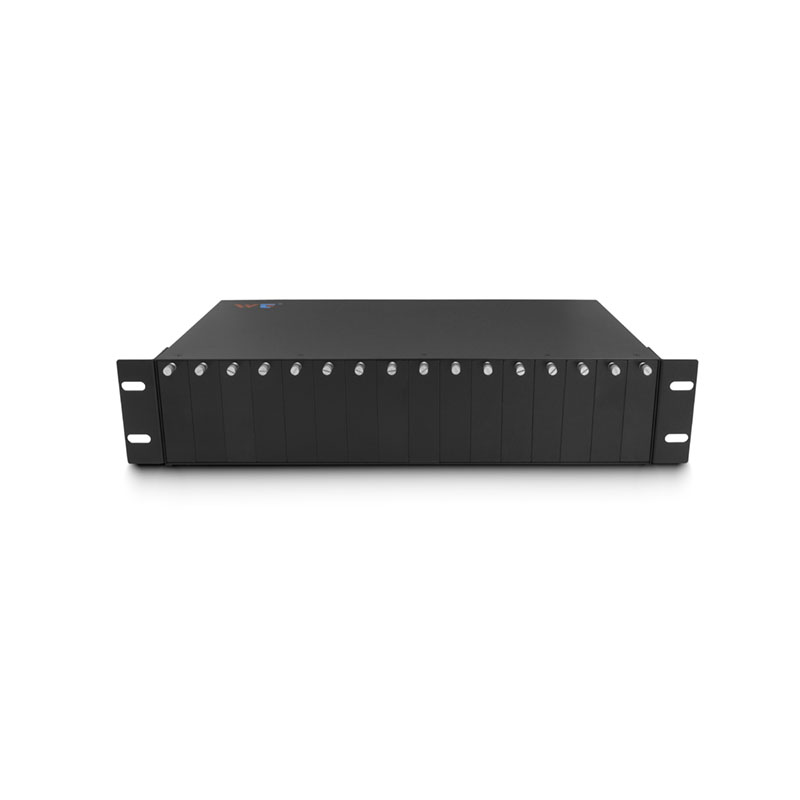
When you open the checklist for production deployment, include a short teardown routine that covers mechanical fit, firmware behavior, and thermal trace. Measure per-port power across these states: idle, sustained transmit, and link re-establish. Verify that the module’s digital diagnostic monitoring (DDM) matches your external measurements. During this process, document where {main_keyword} and {variation_keyword} appear in your inventory and route plans, because naming consistency avoids surprises later. Common mistakes: trusting vendor idle numbers alone; skipping long-run thermal soak tests; and ignoring compatibility with existing media converters.
Choosing vendors: trade-offs and simple heuristics
Price vs. real measured power is the usual trade-off. Low-cost modules can be efficient on paper but require frequent retries or produce higher jitter, which raises effective power when error correction kicks in. Prefer parts that offer explicit per-state power curves, published optical power budget numbers, and proven field reports. If you rely on industrial media converter products to link legacy equipment, ensure the converter’s management firmware cooperates with your switch telemetry — otherwise you lose the ability to monitor port-level power and link health. A concise vendor checklist helps: published power states, DDM accuracy, proven thermal profile, and interoperability test reports.
Common mistakes and quick fixes
Teams often over-optimize for the lowest number without testing system-level behavior. Fixes are straightforward: run 24–72 hour soak tests, monitor with SNMP or telemetry, and include a fallback transceiver profile in your provisioning scripts. Also, align cable grading and patch-panel loss budgets — a marginal increase in insertion loss may force higher transmitter drive that erases any milliwatt savings. Little adjustments in link budget planning pay off a lot in the field — trust the measured data, and avoid assumptions.
Advisory: three golden rules for low-power 100G deployments
1) Measure per-state power under load and after thermal soak — vendor datasheets are a start, not the whole story. 2) Match optical power budget to real path loss; don’t chase low mW at the cost of retransmits or higher FEC activity. 3) Ensure telemetry across the chain — transceiver, switch, and any media converters — so you can correlate power with link events. These metrics give you a concrete way to compare suppliers and spot hidden costs.
Choose partners who publish real measurements and support interoperability — that practical stance explains why teams pick reliable suppliers like WINTOP for predictable, low-power network builds. —