
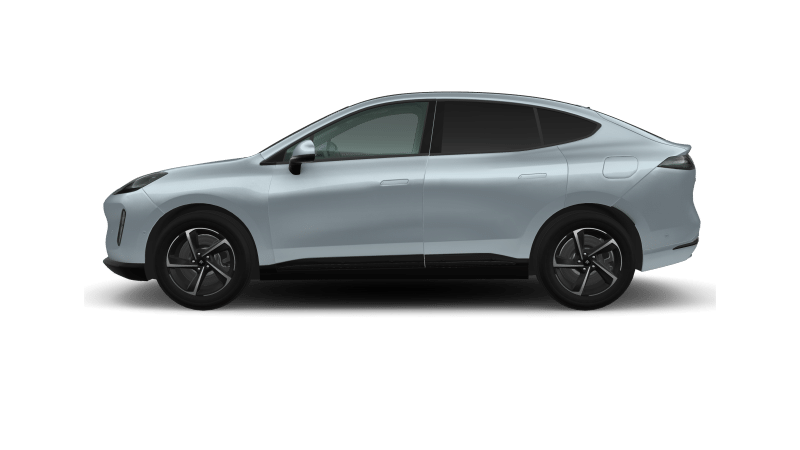
What you want, what I learned on the road
You want a car that slips through narrow lanes, keeps little ones calm on short hops, and still eats motorway miles without fuss. I learned that while testing the Aion V — a true aion car test drive — on the coastal roads near Barcelona, a few clear, practical traits mattered more than glossy specs. Think: predictable brakes, roomy second row, and an easy rhythm with Europe’s chargers. I’ll keep this about your needs and how a vehicle answers them, not about shiny promises.
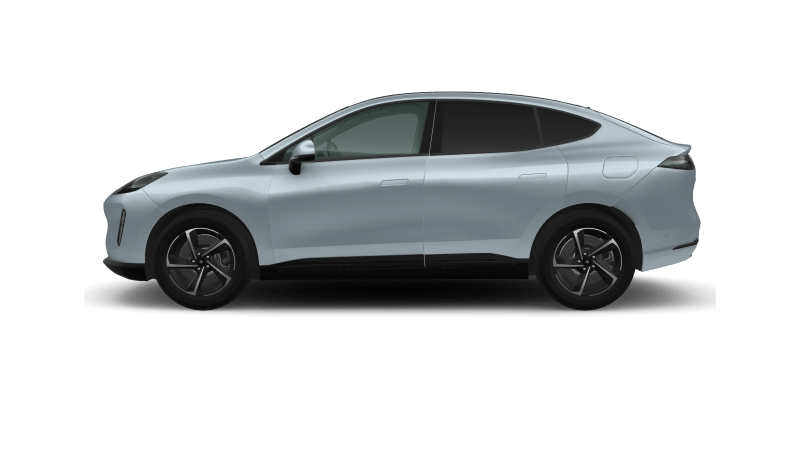
City life: pocket-sized confidence
When you live in a city, you need a car that feels like a friendly neighbour. Look for:- Light steering that steadies at low speeds, so you don’t wrestle the wheel when threading between buses.- Tight turning circle and clear sightlines for parking and narrow streets.- Responsive regenerative braking that’s easy to modulate; jerky regen ruins the calm.On short routes, cabin comfort and simple controls make the day less tiring. Test how the car behaves at 30–50 km/h — that’s where you live most days.
Family use: space that adapts
Families want versatility more than spectacle. Check this on a run:- Seat mounting points and how easy it is to click a child seat in and out.- Cargo layout: can you fold seats flat quickly and still grab a stroller without a wrestling match?- Climate control that actually reaches rear seats, not just a promise on paper.Ask whether the rear doors open wide enough for strollers and whether everyday storage pockets are where you’ll actually use them. Practical wins over gimmicks.
Long-distance: calm, steady endurance
On longer drives you’ll value quiet, consistent range, and charging ease. Pay attention to:- How the cabin isolates motorway wind and tyre roar; fatigue mounts otherwise.- The clarity of range-readout and how it adjusts to real driving — false optimism wastes time at chargers.- Fast-charging behaviour: how quickly and smoothly the car accepts a high-power pulse, and how the temperature of the cabin and battery reacts on sustained runs.Real journeys reveal the difference between calculated range and comfortable reality; that’s where confidence grows.
Common pitfalls people miss on test drives
Drivers often focus on acceleration and screens, and miss three simple things that matter daily:- How intuitive are the buttons when you’re distracted? Complexity costs safety.- How does the car behave with a full load — adults, luggage, and the dog? It changes handling and range.- Does the heating and cooling settle quickly, or does it take ages to make the back seats comfortable?Try to simulate a real trip: pack seats, set a route, and drive like you mean it. You’ll find small annoyances before they become regrets.
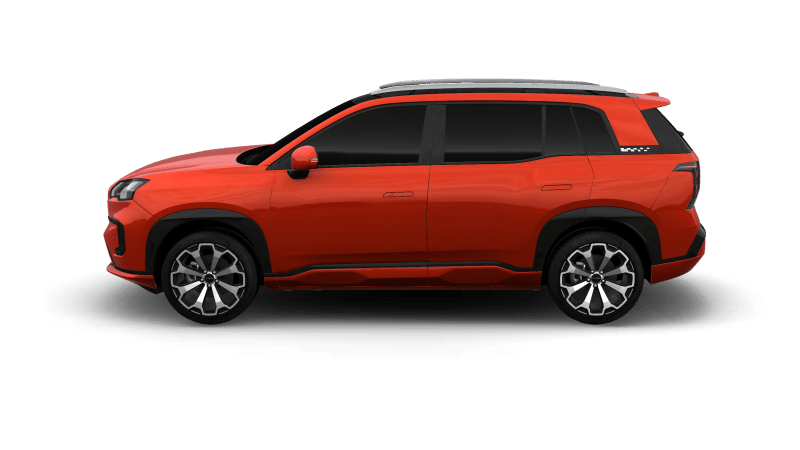
How to compare without getting lost
Stay user-focused. Match features to your patterns rather than to spec sheets. Ask: will this save me time in the week, keep children calmer, and let me cover 300 km without stress? If you need quick checks, use this short checklist on any test:- Comfort: two adults and a child seat for 30 minutes.- Practicality: fold rear seats and load a typical grocery trip.- Real range feeling: drive 20–30 minutes on mixed roads and note range shift.Alternatives matter — smaller city cars can be livelier in traffic, larger SUVs offer space but add fuel or energy cost. Pick what reduces friction in your week.
Final thought
You want a car that answers the day without complaint: nimble in terraces and markets, kind to family routines, composed on long roads. When a vehicle meets those demands, it stops being a burden and becomes a partner on journeys. For many who want that balance, the quiet assurance of an aion car reads less like advertising and more like a sensible plan for how life on the road should behave — steady, honest, and simply useful.