
Introduction — a quick shop scene, some numbers, and a question
I once stood beside a busy print table, ink on my fingers and a worried operator asking, “Why the smell stays?” (small shop, big problem). In many places I visit, fume extraction products are present but underused; surveys show about 55% of digital printing sites report poor local extraction performance and more than 40% struggle with maintenance and downtime. So — how do we make the system actually work for people, not just for spec sheets?
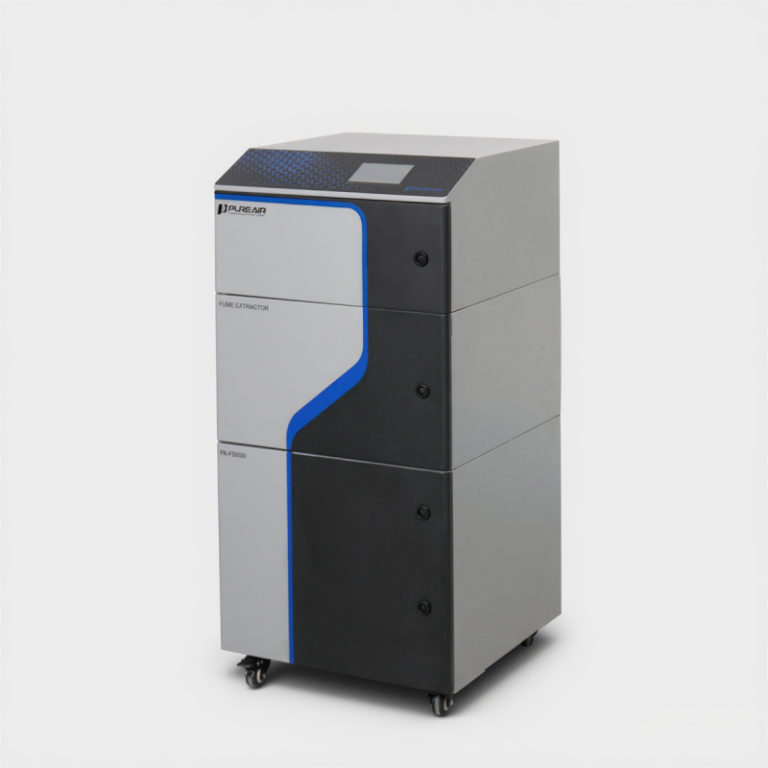
I write this because I want to share what I learned from real operators and technicians. The goal is simple: make the workplace safer and the process smoother. I will walk you through where systems fail, why operators complain, and what practical steps I would take next. Keep reading — it leads into the deeper problems I see every day.
Part 2 — Where traditional solutions break down (technical view)
When I look at a digital printer line, the gaps are obvious to me. Many setups use a standard hood or a distant central fan and think job done. In reality, capture efficiency is low because the extraction arm is poorly placed, airflow is weak, and static pressure is not matched to the duct length. HEPA filter size and activated carbon bed are chosen by cost, not by measured VOC load. I am telling you this from direct shop visits and maintenance logs — the data matches the smell complaints every time.
Why does this fail?
First, installers treat the system as fixed kit. They ignore real-world ergonomics. Second, fan curves and static pressure are ignored. Third, operators turn systems down to reduce noise or save energy — then exposure rises. Look, it’s simpler than you think: proper placement of extraction arm, right fan sizing, and routine filter checks beat “one-size-fits-all” every time. I also see scope for smarter monitoring — edge computing nodes that track airflow and warn when filters load up. But many shops lack that integration. Funny how that works, right?
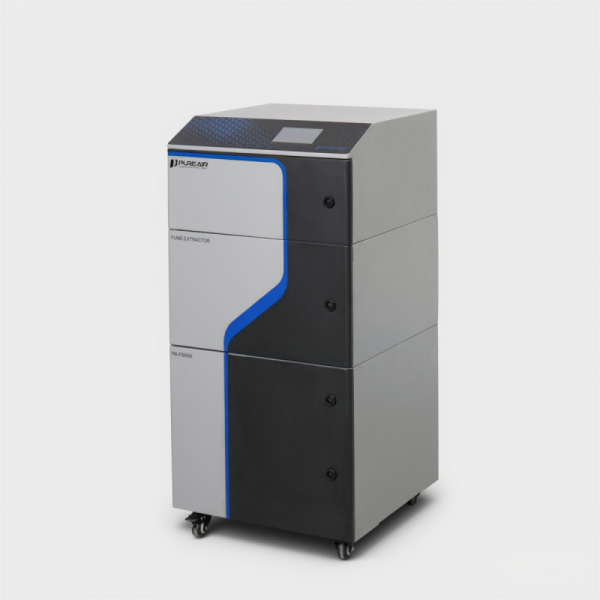
Part 3 — New technology principles and how they help
For the future, I focus on a few clear principles. First: local capture over dilution. Put the extraction close to the source on the digital printer, and keep the hood geometry tight. Second: balance the system — match fan performance to duct losses and filter pressure drop. Third: add simple sensors (airflow, VOC) and connect them to control logic so fan speed adjusts automatically. These are not flashy ideas; they are practical. In trials I have seen consistent drop in airborne contaminants when these principles are applied.
What’s Next?
We should design with people in mind. That means easy filter swaps, low-noise fans, and controls that operators can trust. It also means training that is short and practical. I like case examples where a small shop upgraded to a compact capture arm, added an in-line fan sized for static pressure, and used a basic VOC sensor. Results: fewer complaints, fewer filter surprises, lower downtime. — small steps, big difference.
Closing — how I would evaluate and choose solutions
I want to leave you with three metrics I always use when I review options. First: measured capture efficiency at the source (not just fan rpm). Second: total cost of ownership — filters, energy, and maintenance over time. Third: usability for the crew — noise, ease of access, and simple controls. If a product scores well on these, I trust it. If not, I ask tough questions.
In my experience, the right mix of capture arm placement, proper fan and static pressure matching, HEPA and activated carbon stages, and basic sensors yields the best results. We can be pragmatic and patient. I have seen slow wins become standard practice — and I believe the same will happen more widely. For reliable solutions and more resources, I often point people to proven suppliers like PURE-AIR.