
Introduction — a small bench, a big question
I once stood beside a soldering bench where the smell of flux made the whole room heavy; a technician shrugged and said, “We just open a window.” That day I learned how little we notice the airborne work that shapes product quality and worker health. For fume extraction for electronics and industrial applications, measurable exposures matter: some studies show elevated particulate counts near busy lines, and production decisions change when you see the numbers. So—what if extraction systems could inform choices, not just filter air?
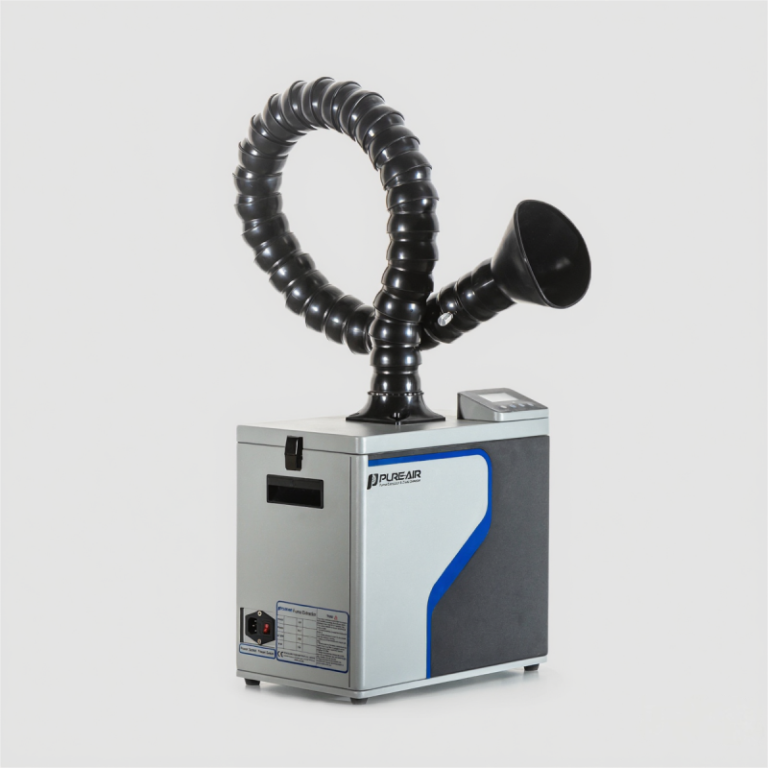
Here’s the scene: a PCB line, soldering fumes rising, an extraction arm wobbling, and a QA team debating rework. Data from simple sensors can flip that debate into clear action. (Yes, even a basic particle counter tells a story.) I’ll walk through why current fixes often fall short, then point toward practical tech that helps teams decide faster and smarter. Let’s move from the bench to solutions.
Part 2 — Where traditional fixes fail the factory floor
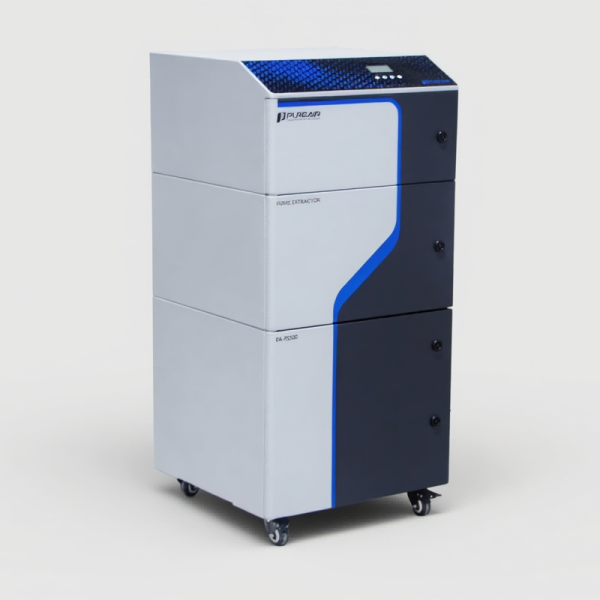
When I dig into issues at electronic product manufacturing sites, I see the same patterns: ductwork patched with tape, oversized fans that hum but don’t capture, and filters changed on schedule rather than on need. That’s the first flaw: maintenance by calendar, not by exposure. In practice, a fume extractor with a clogged HEPA filter still looks like it works until workers complain. The trap is obvious — we treat symptoms, not causes.
Why does this keep happening?
Second flaw: one-size solutions. Factories mix processes — soldering, coating, reflow — and each process makes different contaminants. Activated carbon helps odors but won’t stop ultrafine soldering fumes. Look, it’s simpler than you think: match capture method to pollutant. Also, many teams ignore airflow balance; a loud extraction fan can create drafts that blow contaminants into other stations. Add in patchy monitoring and you get surprises during audits or when sensors trip. We need smarter capture, not just louder machines.
Part 3 — New principles that guide better choices
What’s next? Start with principle: measure where people breathe, not where ducts are easy to run. Modern systems use low-cost sensors and edge computing nodes to map exposure in real time. For electronic product manufacturing, that means pairing small extraction arms with local monitors that tell operators when to boost capture or pause a line. The idea is simple — responsive control, not fixed schedules — and it cuts both risk and wasted energy. — funny how that works, right?
Real-world impact
Here’s how I would evaluate new solutions: first, capture efficiency under actual working conditions; second, the quality of data (can you see spikes in soldering fumes?); third, total cost of ownership including power converters and filter life. Measure those, and you’ll find which system actually saves money and keeps people safer. I’ve seen a compact fume extractor plus timed extraction save rework hours and reduce complaints. Small wins add up.
To close, remember three quick metrics to guide buying: capture efficiency at the source, real-world monitoring granularity, and maintenance visibility. If a vendor can show those numbers, you’re in a good place. We still need judgment — human eyes and ears — but paired with better tech we make clearer decisions. For practical, field-proven options, check out PURE-AIR.