
Introduction
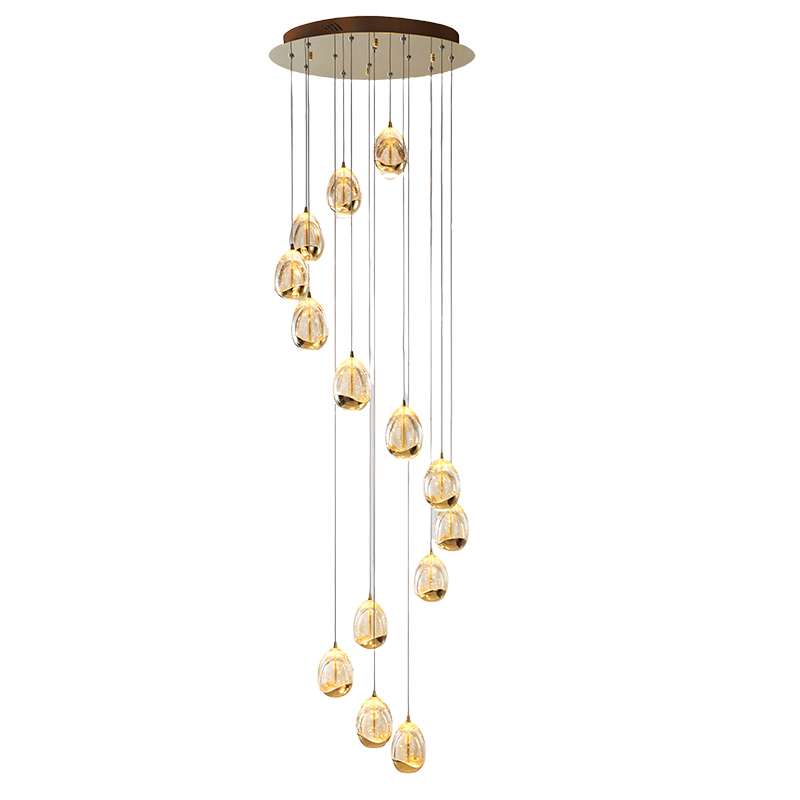
You want a pendant that glows like a calm moon, not a glare bomb. In talks with a led lighting manufacturer china, the details add up fast. Picture a family kitchen where tasks shift from chopping to homework to late tea. Now add numbers: 90+ CRI for true color, L70 at 50,000 hours for steady lumen maintenance, and a UGR target under 19 to keep eyes relaxed. With bubble glass pendant lighting, beauty meets optics, but only if the driver, diffuser, and heat path work as one. So here’s the question: how do you balance sparkle, spread, and safety without babying the fixture every week?
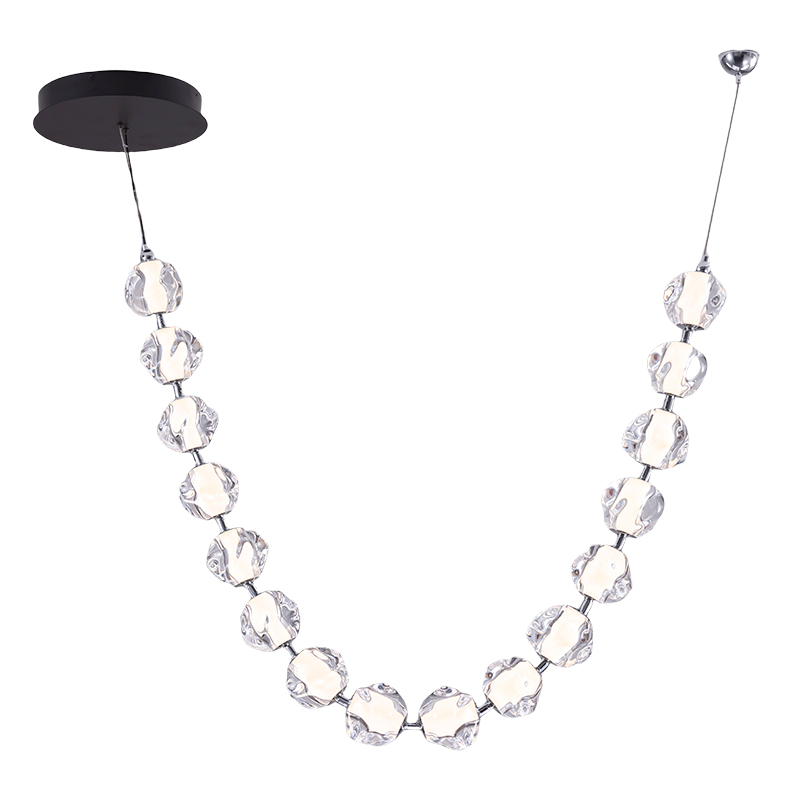
This is where a practical plan matters (and saves headaches). We compare beam angles, check driver specs, and watch for flicker at low dim levels. Then we ask: can the pendant hold up to steam, dust, and curious hands? A few smart checks now prevent glare, hot spots, and early yellowing later. Let’s walk through the deeper issues—and the choices that make everyday life easier.
Bubble Glass Pendants: The Hidden Pain Points You Don’t See at First
What’s the hidden snag?
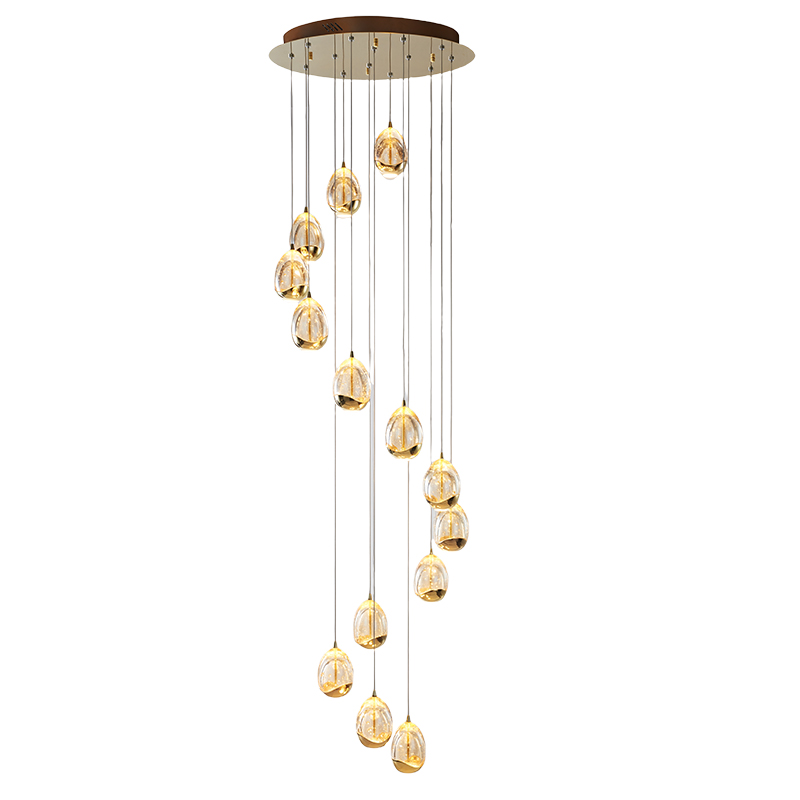
Bubble glass catches light in lovely ways, but uneven diffusion can raise perceived glare. Traditional fixes often rely on thicker glass or a wide beam, which can dim task zones and waste watts. The real culprits hide in small parts. Driver ripple can cause micro-flicker that tires eyes during long prep sessions. Weak thermal management lets LEDs run hot, cutting lumen output over time. And if the pendant traps heat near the socket, you risk color shift and dull sparkle—funny how that works, right?
Look, it’s simpler than you think. Ask for data. A low flicker index under PWM dimming, a clear thermal path with a real heat sink, and an IP rating that fits your kitchen or cafe zone will solve most issues. Proper diffusion optics can push light wider without blinding. Aim for a balanced UGR, not just a pretty dome. Also watch mounting height; 28–34 inches above the counter usually avoids glare cones while lighting the work plane. When these boxes are ticked, bubble glass becomes calm, bright, and easy to live with—day after day.
Forward Look: Smarter Optics, Cleaner Power, Better Choices
What’s Next
New designs don’t just add style; they refine the core. Think cleaner power converters with high power factor, better EMI filtering, and drivers that hold dim-to-warm curves steady. Add micro-prismatic film inside the glass to even out sparkle, then tune the optic cup to cut hotspots. In side-by-side trials with a single led pendant light, we saw smoother edges on the counter, 15–20% better vertical illumination on faces, and thermal rise trimmed by a few degrees. Small tweaks, big wins. And when BLE mesh or simple scene controls come in later, low-latency dimming keeps the mood steady—no shimmer, no fuss.
Comparisons help. Bubble glass gives life and depth; a metal shade gives punch and focus. With today’s optics, you can blend both: clear sparkle at the core, soft spill at the edge. Choose a driver with tight ripple control and a documented flicker index; favor lenses that keep UGR reasonable without killing output. Then confirm upkeep: easy-to-wipe glass, a sealed cap to block dust, and a driver bay you can reach. Advisory close-out: use three metrics when you decide—1) visual comfort (UGR and flicker index at low dim settings), 2) longevity (thermal path, L70 data, and driver warranty), 3) light quality (CRI and color stability across dimming). Do this, and you’ll get glow without the grind—and a fixture that still looks fresh next year. Learn more from partners like kinglong.