
The Challenges of Today’s Agriculture
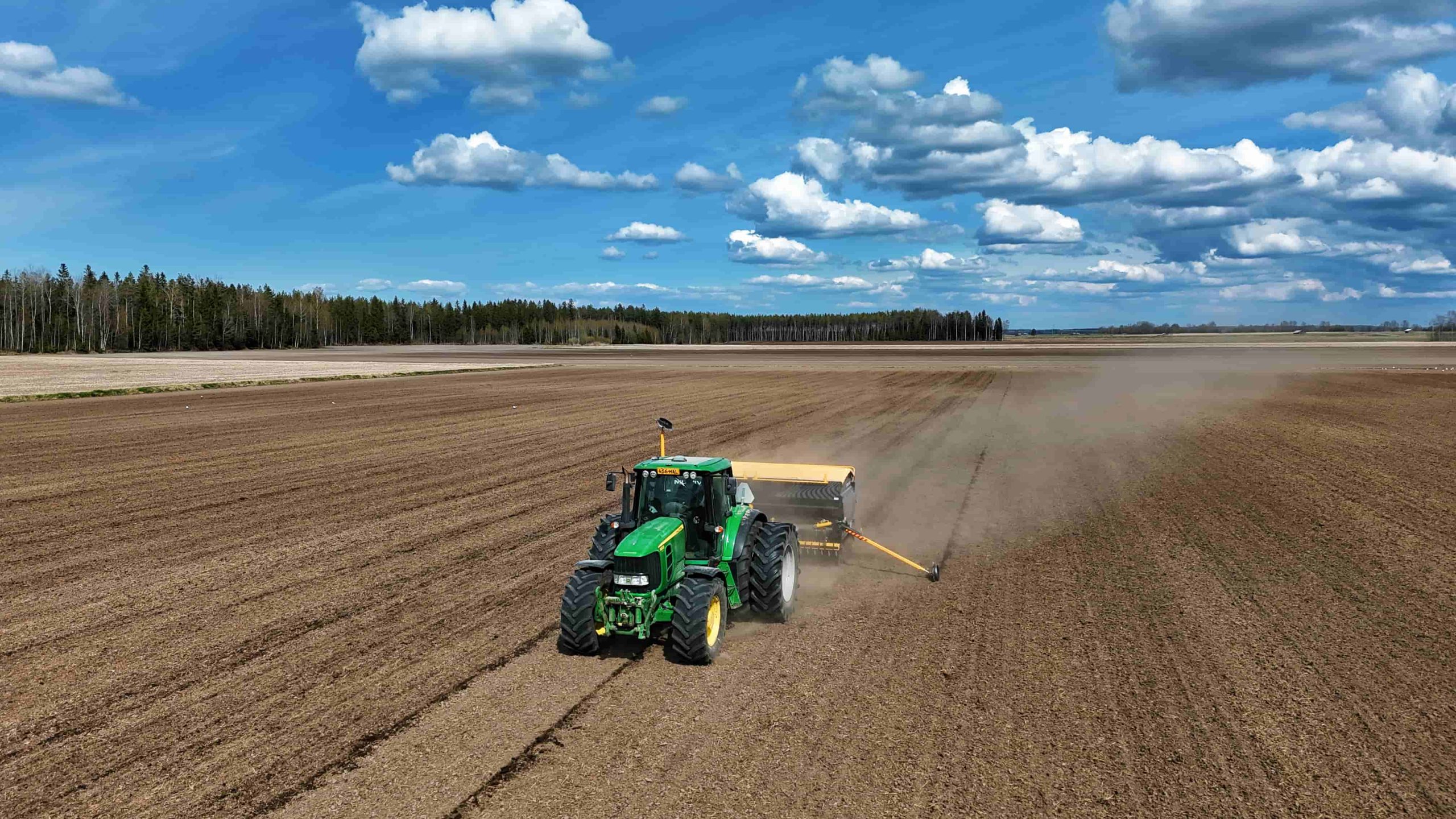
Imagine walking through a field at dawn, the sun gently rising over rows of crops, ready for harvest. But what if I told you that over 40% of farmers still rely on outdated techniques, leading to significant inefficiencies? This brings us back to the concept of a precision agriculture guidance system. A modern solution is critical for tackling issues like inadequate resource management and unpredictable harvest yields.
Why Precision Farming Matters
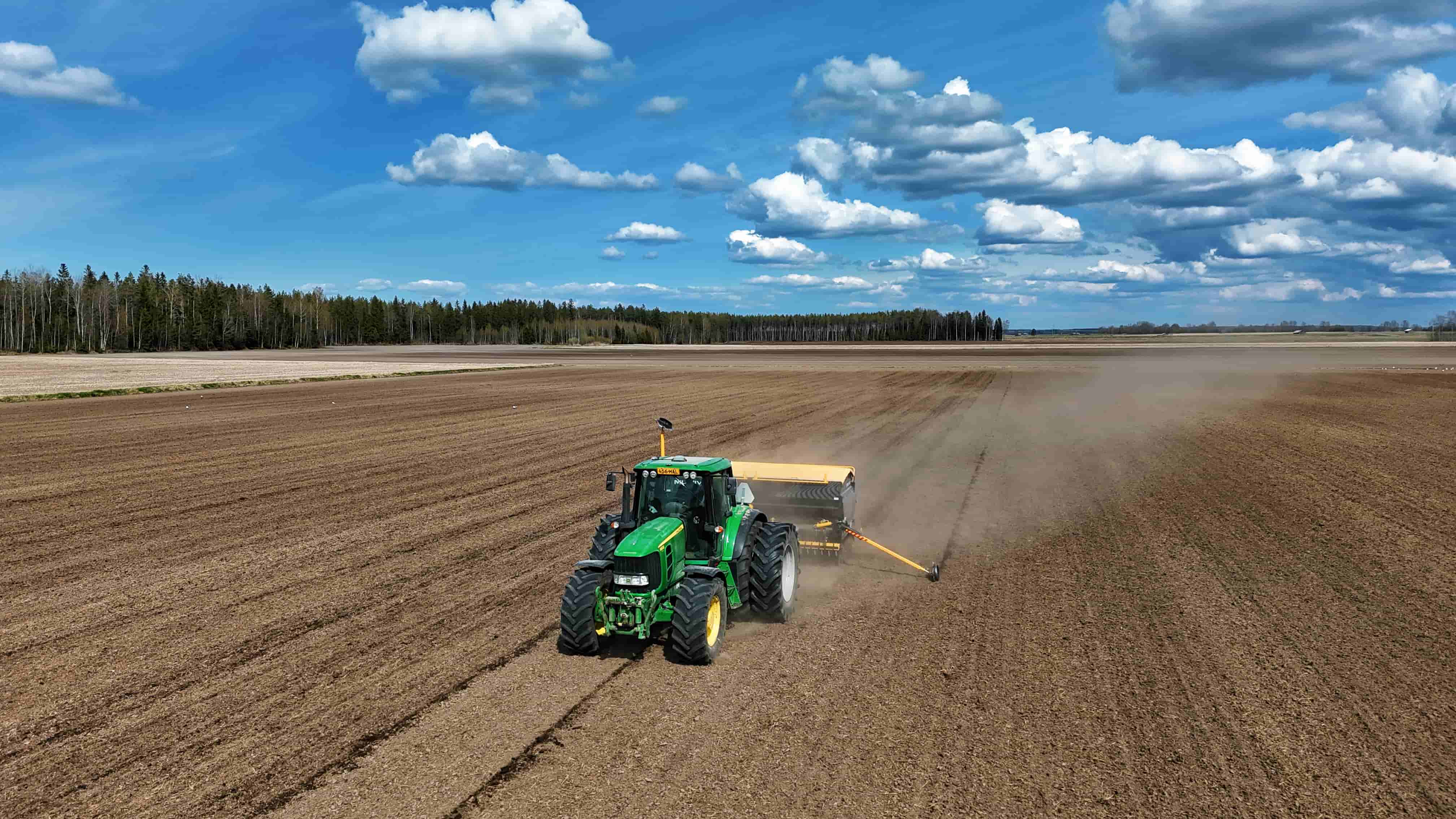
The additional costs incurred by using traditional farming methods can add up quickly. In my experience, adopting modern precision farming technology can often translate to better yields. Farmers often struggle with soil variability, input mismanagement, and crop health monitoring. I’ve seen firsthand how these issues can diminish productivity. But why let these hurdles slow you down?
What Does Precision Agriculture Offer?
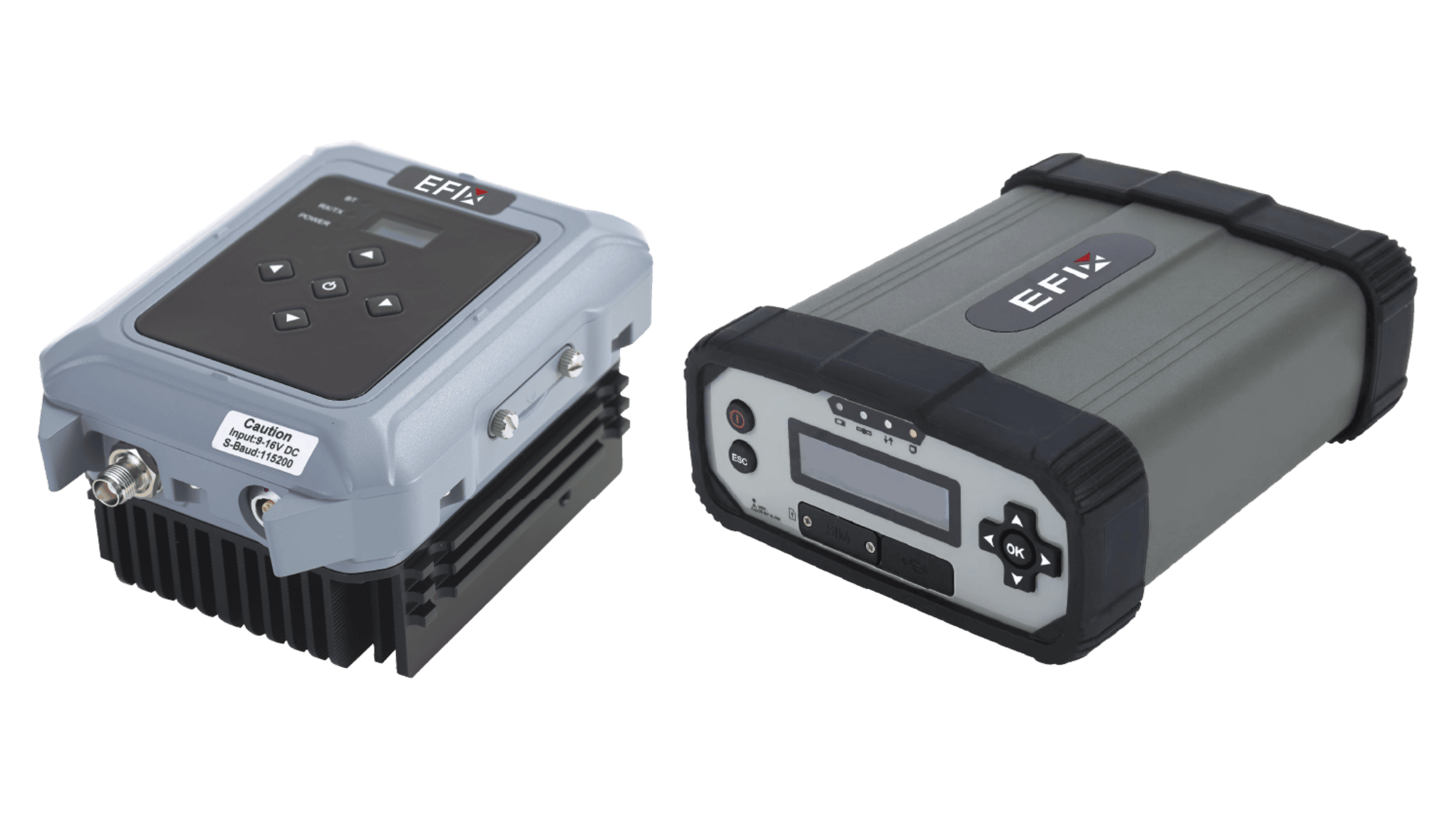
It’s about being smart with our resources—using data analytics, satellite imagery, and soil sensors. With precision farming, we can optimize everything from planting to irrigation. Take, for instance, a colleague who, by leveraging a precision guidance system, managed to reduce his fertiliser expenses by 30% in just one season! That’s the kind of impact we need in our fields.
Looking Ahead: The Future of Farming
As technology evolves, so does the potential in precision agriculture. I often wonder how long it’ll take for others to catch up. Picture this: advanced drones surveying thousands of acres, providing real-time feedback on crop conditions. This isn’t science fiction; it’s here and now. The integration of AI and machine learning opens up substantial opportunities for farmers to work smarter, reducing waste and increasing efficiency.
What’s Next for Precision Agriculture?
To stay competitive, we need to embrace the future. Farmers leveraging innovative tools can expect not just improved yields but also considerably lower input costs. With predictive analytics, they can forecast outcomes and adjust strategies accordingly. Those equipped with these advanced technologies will likely outperform their competitors—and rightfully so! It may sound cliché, but the early adopters truly do have the edge.
Key Insights for Farmers: Wrapping It Up
As I reflect on these developments, I can’t stress enough the importance of adapting to change. Investing in precision farming technology is not just a trend—it’s a wise business strategy. The agricultural landscape will continue to change, but those willing to evolve with it will reap the rewards. In this digital age, don’t be the one left behind, still relying on old-school methods.
To navigate this transition, consider three key evaluation metrics: effectiveness of resource allocation, responsiveness to crop health data, and overall cost reduction. This approach not only supports better decision-making but also enhances your competitive edge. As I’ve learned in over 15 years in the field, it’s all about making well-informed choices for a sustainable and profitable future. Let’s make it happen with the help of EFIX.