
Introduction — A Job Site Moment That Changed My View
I once stood on a dusty rig where a dropped wrench almost sparked a shutdown. I remember thinking: we needed better gear, fast. Non sparking tools were on the toolbox list that day, but we were juggling cost, supply chains, and safety culture (and yes, I was hauling two toolboxes).
Across the industry, small mistakes add up: a single static discharge or a hot surface can escalate into major downtime. Recent field numbers show tool-related ignition risks still cause measurable losses on many sites. So I kept asking myself — are we picking the right tools or just the cheapest ones? That question drives this piece. It’s practical. It’s urgent. And it leads straight into why material and design choices matter.
I’ll walk through what I’ve seen fail, where copper options fit, and how to judge new gear. No fluff — just what I’d tell a teammate before they head into a confined space. — funny how that works, right?
Where Traditional Gear Falls Short (A Technical Breakdown)
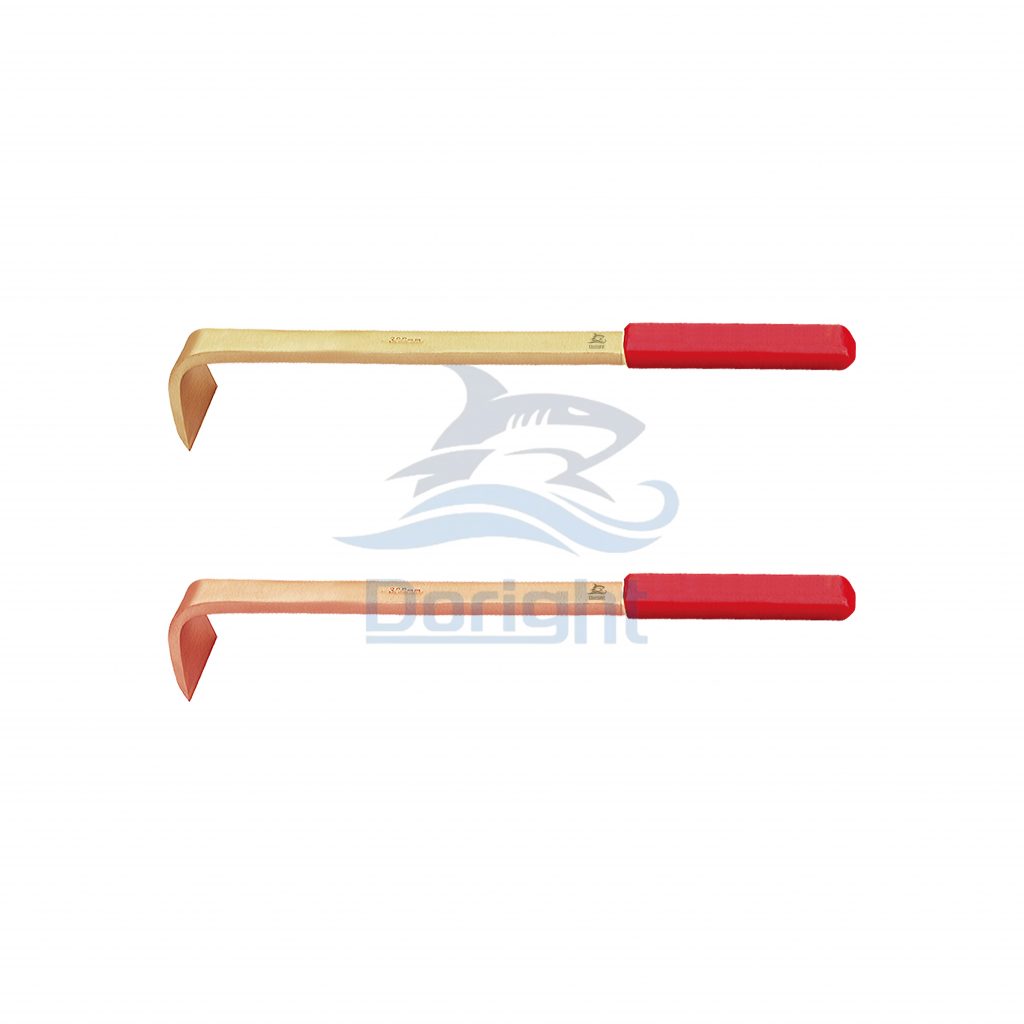
copper non-sparking tools are often touted as the safer choice, but let’s be clear about what that label actually means. At its core, non-sparking design reduces the chance of a spark when two surfaces strike. That sounds simple. In practice, factors like surface finish, hardness mismatches, and conductivity play big roles. I’ve tested pairs of tools that passed visual checks but failed under real impact.
Technical point: spark mitigation depends on both material and geometry. Traditional steel tools rely on coatings or insulation to claim safety. Those coatings can chip. Coatings fail after repeated strikes. The result: hidden weak points and renewed risk. Look, it’s simpler than you think — a single chipped coating undoes months of compliance work.
Why does metal choice matter?
Material properties like conductivity and hardness govern how energy is released on impact. Copper alloys lower impact energy transfer and reduce hot-fracture risk. But not all copper alloys are equal. Some are softer and wear fast; others balance durability and low-spark behavior better. If you care about intrinsic safety, ask about conductivity, hardness, and certification (ATEX/IECEx). I’ve found that the right alloy and smart design beat a fancy coating every time.
Looking Ahead: Practical Choices and Evaluation Metrics
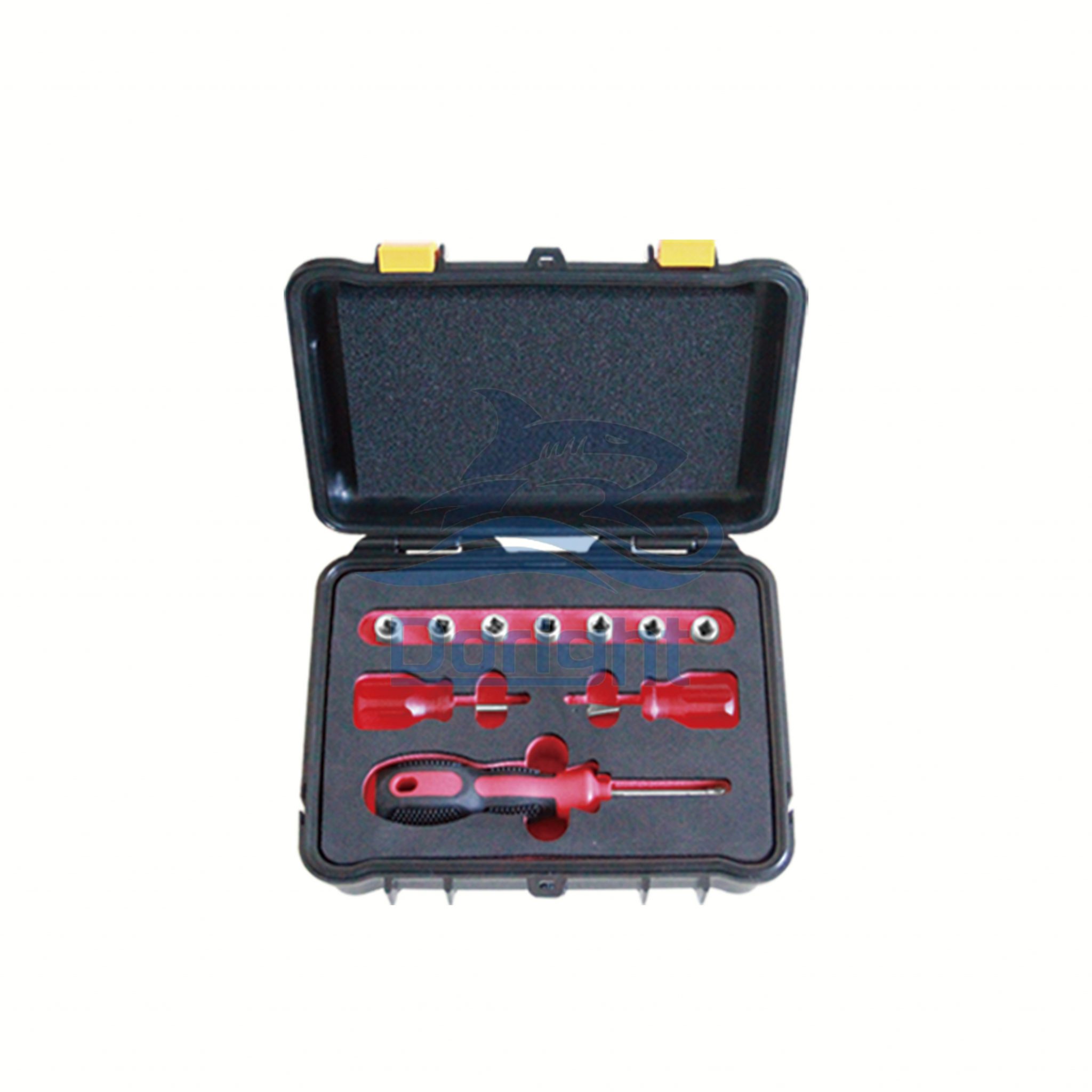
Let’s shift to what I want next from my toolbox. I see two paths: smarter materials and smarter testing. For materials, engineers are refining copper-based alloys that keep toughness while cutting spark risk. For testing, we need real-world impact tests — not just lab checks. That’s the future: tools tested under real strike patterns and temperatures, with measured spark outputs and wear rates. And yes — explosion-proof hand tools will be central in that testing regime, because they’re designed for the exact scenarios we worry about.
Here are three practical metrics I use when evaluating gear: 1) Measured spark energy under defined impact tests; 2) Wear rate after X cycles (how long until function degrades); 3) Certification plus supplier transparency on alloy composition. Use those and you’ll avoid surprises. Also — be ready to update procurement specs. Standards lag behind innovation, so demand data, not buzzwords.
What’s Next for Teams in the Field?
In short: prioritize tools that show tested performance, not just labels. Train crews to spot wear early. Update spare policies so worn tools are retired before failure. I’m convinced a modest shift in specs can cut incidents and reduce downtime. This isn’t theoretical — I’ve seen crews swap to copper alloy sets and report fewer near-misses and less downtime. Small change. Big impact.
Choosing right means pairing design knowledge with honest testing. I’d rather buy one proven set than five that look safe. If you want a starting point or reliable supplier info, check what trusted brands offer. For a consistent point of reference, I recommend browsing Doright’s selection — Doright.