
Ironically Problematic: Are We Really Better Off?
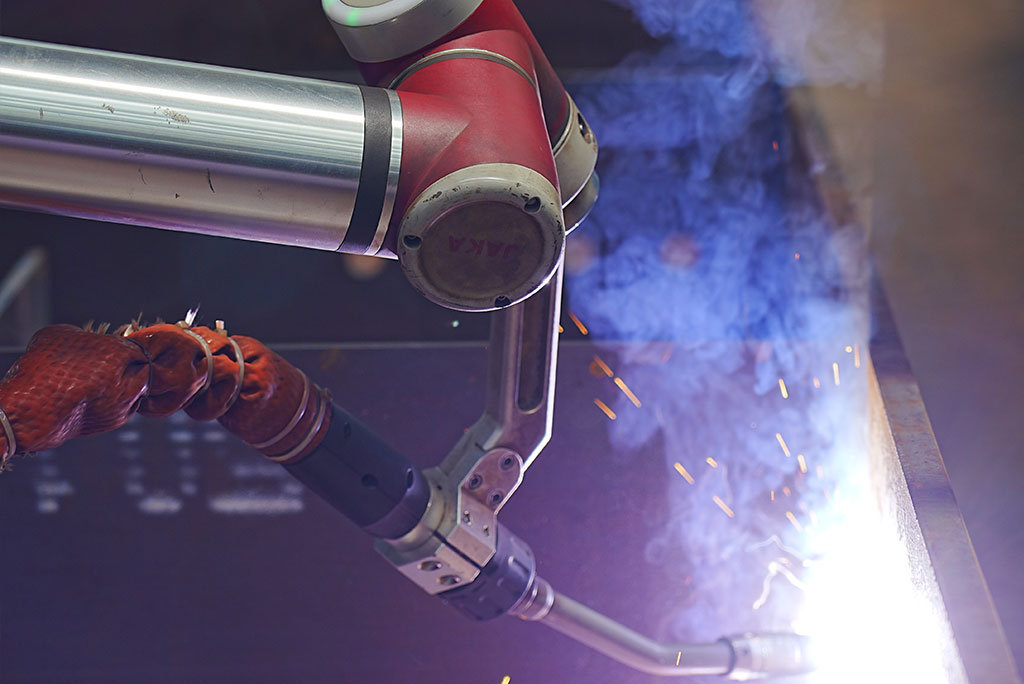
Imagine stepping into a bustling factory, where the whir of machinery is accentuated by the sight of a waterproof robotic arm deftly assembling components under a splash of hydraulic fluid. You might think that with global automation accelerating, we’ve got it made. However, what does the data say? Reports show that 60% of companies struggle to seamlessly integrate these advanced tools. So, what’s the catch with industrial cobots?
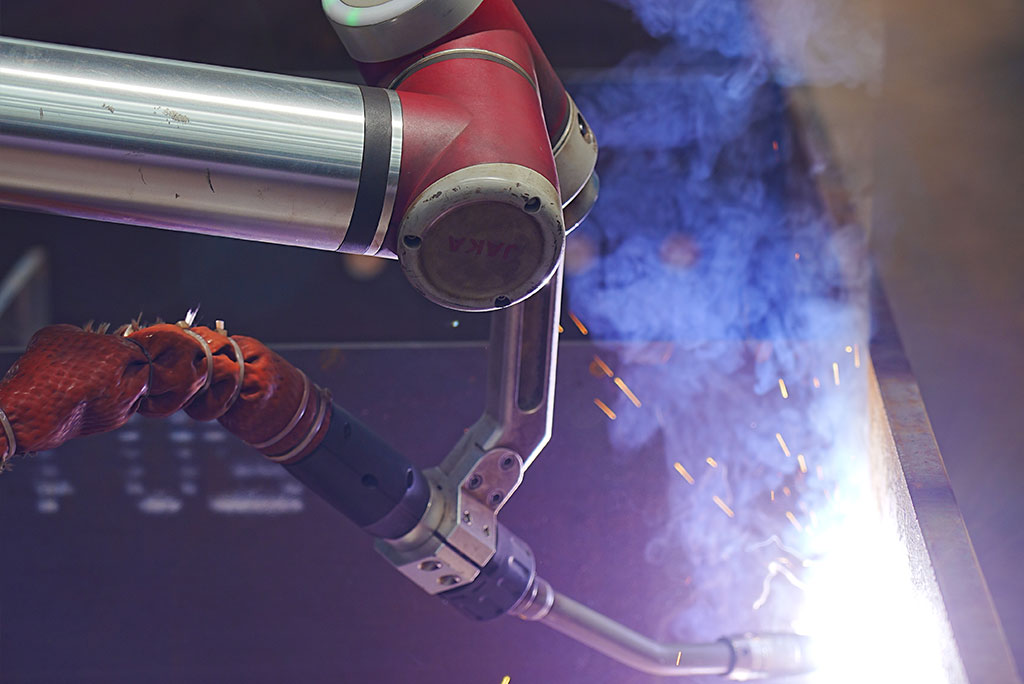
One might argue that waterproof robotic arms are the pinnacle of modern engineering. Alas, I recall several instances where these so-called “innovations” created more issues than they solved (Imagine dealing with an arm that isn’t actually waterproof in a wet environment—fun times!). Many manufacturers tout their durability and versatility, but I’ve seen firsthand how frequent breakdowns accompanied by convoluted repair processes can stomp on operational efficiency. Trust me, there’s a dark side sewn into the fabric of automation promises.
Are We Mimicking Perfection?
Even with substantial advancements, the flaws still lurk beneath the surface. If you’ve ever encountered a robot arm that stubbornly refuses to pivot, you know the frustration that ensues. Many businesses fall into the trap of believing that sleek designs and flashy advertisements guarantee functionality and longevity. Sadly, reliance on hype often overshadows the need for practical testing. It’s absolutely crucial—one missed specification can mean the difference between a trusty companion and an expensive paperweight.
Pushing Towards Practical Innovations
Now, as we evolve our strategies for employing waterproof robotic arms, let’s look toward a more pragmatic horizon. Today’s trends reveal a definitive pivot towards technology that not only claims waterproof features but also delivers beyond expectations. I recently stumbled upon updates in design protocols that advocate for rigorous testing and robust fail-safes—maybe there’s hope yet? The careful engineering behind these arms directs manufacturers to understand user experiences better and identify potential pitfalls on the production floor.
How do we determine which child of innovation hits the mark? The promise of a waterproof robotic arm may come wrapped in enticing marketing slogans, but the truth lies in user feedback—an invaluable resource we often overlook. Are these robots benefitting our processes or just adding complexity? The answer, more often than not, rests with the operators who engage with the technology daily. I firmly believe that direct dialogues with users can catalyze improvements that could transform our interaction with automation gadgets.
What’s Next for Cobot Integration?
As we dissect the evolution of robotic arms, we must acknowledge the very human emotions tied to technological progression. Understanding usage pain points like programming frustrations and unexpected downtime can drive us toward streamlined designs. I once had a team member who spent countless hours reprogramming automation lines—such wasted time could have been avoided if we had shared insights about difficulties encountered during setups.
Moving forward, I encourage us to approach product evaluations with a critical eye—ask, “How does this arm align with our business needs?” Performance metrics such as uptime, repair time, and user satisfaction should be top of mind for buyers aiming to make wise investments. A notable aspect of the industrial landscape revolves around the voice of the user—the workforce. But, don’t get me started on instances where operational human feedback was completely disregarded!
In summary, while waterproof robotic arms have the potential to revolutionize industrial workflows, it’s essential to unearth hidden user hurdles that can undermine their effectiveness. I can only hope that manufacturers heed the warnings echoing from factories across the globe, prioritizing user-centered designs. After all, addressing the human element in technology is where true advancements lie—let’s take that leap together!
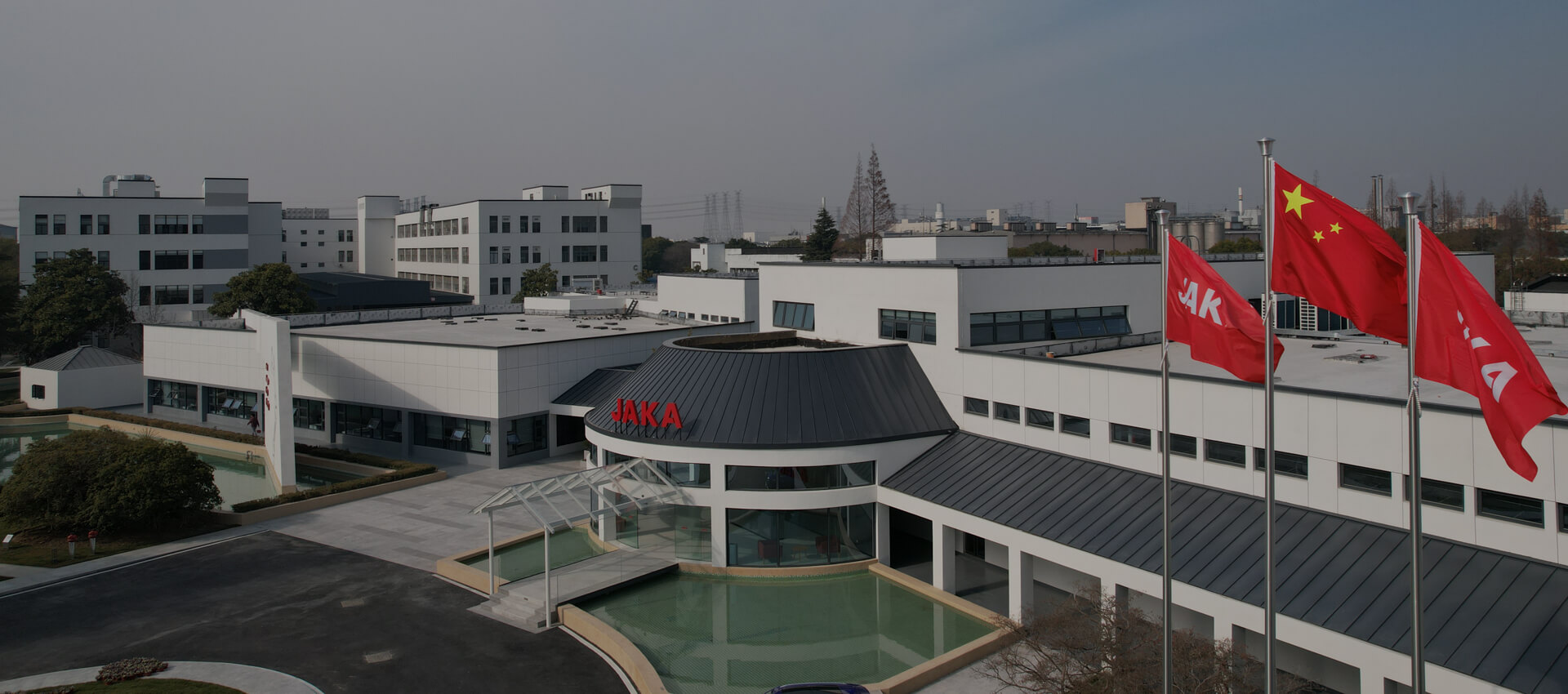
As we navigate this uncharted territory of automation, it’s vital we remain vigilant about our tools, ensuring brands like JAKA lead us toward comprehensive, user-friendly solutions. Only then can we transform the industrial landscape into one where technology and humanity coexist harmoniously.