
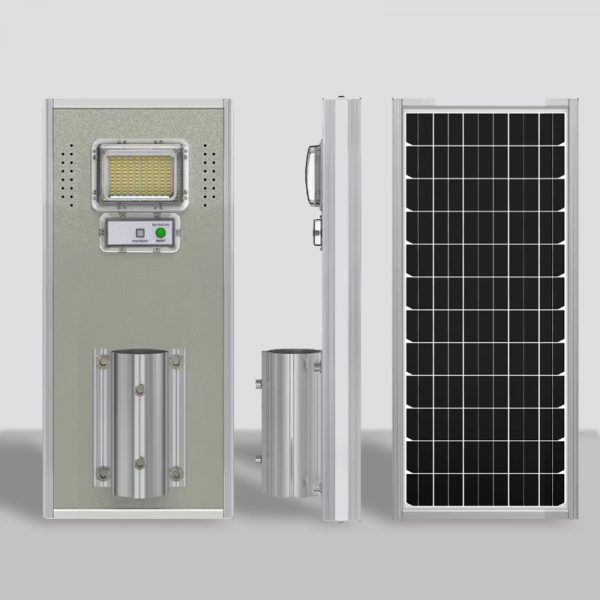
Understanding the All-in-One Solar Street Light Solution
I remember the first time I saw an all in one solar led street light illuminating a local park. It was a sight to behold, reflecting innovation in solar technology. With renewable energy becoming increasingly vital, the understanding behind such designs is crucial. Did you know that about 90% of urban areas face light pollution? This brings up a significant question: How can smart lighting solutions address our growing environmental concerns while creating safer public spaces?
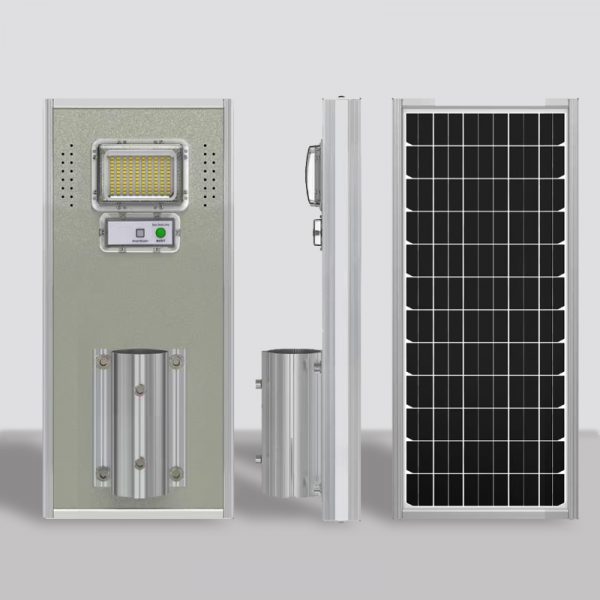
The Drawbacks of Traditional Lighting Methods
Many towns still rely on conventional street lights powered by electricity. Let’s be honest – that approach is archaic. They not only contribute to rising energy costs but also leave maintenance teams scrambling with constant bulb replacements. The economic impact can be staggering. For instance, I recall a project in November 2020, where a local council forked out nearly $10,000 just for one year’s maintenance on outdated fixtures. It’s not just about the dollars spent; it’s about the resources wasted. This is where the real advantage of the all-in-one solar street lights comes to play — they reduce maintenance needs and harness renewable energy effectively.
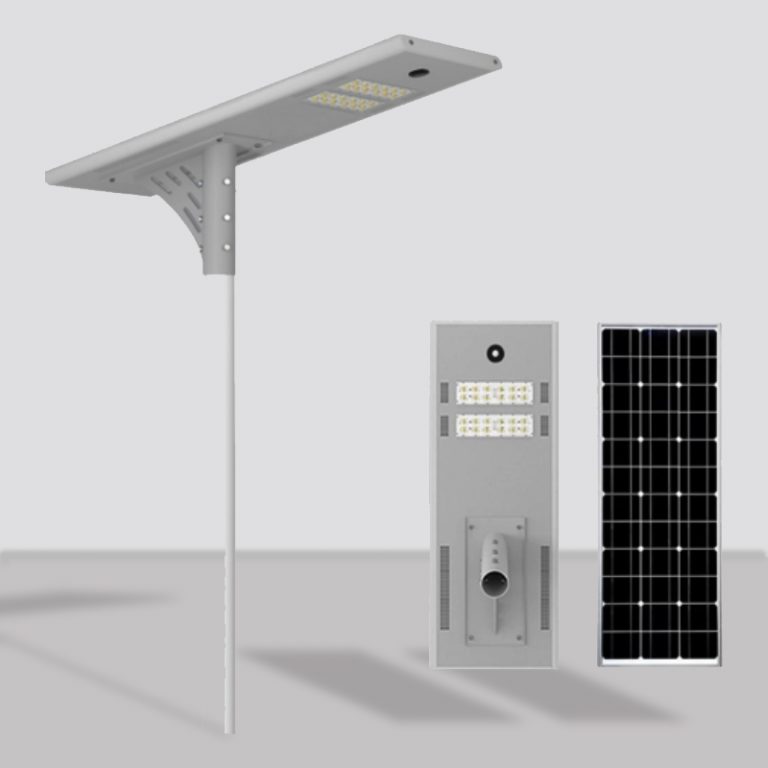
What’s Innovative About All-in-One Solar Street Lights?
Transitioning to an all in one solar led street light system presents a forward-thinking solution. Imagine a single unit equipped with a solar panel, LED light, and battery integrated seamlessly. No more complicated installations with multiple components! This simplicity not only saves on installation costs but also reflects a progressive shift in urban planning. I often compare this to having a Swiss Army knife; why struggle with multiple tools when one can do it all?
Looking Ahead: The Future of Street Lighting
As we move into a future framed by tech advancements and sustainability, the role of solar solutions in urban lighting is undeniable. Traditional methods often struggle with inefficiencies. For instance, a city in Texas cut its energy usage by about 60% after replacing all street lights with solar-powered units. This measurable outcome demonstrates that we can achieve significantly lower costs and a reduced carbon footprint simultaneously. I firmly believe that with more cities adopting this innovative lighting approach, we can pave the way for brighter, greener environments.
Evaluating Your Options
Here are three key metrics I suggest considering when choosing the right lighting solution for your project: 1) Energy efficiency – assess how much energy each option consumes; 2) Initial cost vs. long-term savings – weigh installation and long-term operational costs; 3) Environmental impact – seek solutions that resonate with sustainable practices. These factors will guide you towards not only choosing a product that meets your needs but also aligns with the changing dynamics of our environment.
In conclusion, embracing the shift towards advanced street lighting technology is essential. I recall my first experience with solar lights; the transformation was palpable. With growing urban populations and limited resources, I encourage you to think differently about how street lights are seen, utilized, and maintained. The potential for change is just a decision away, and who knows? You might find that investing in options like the THOE systems could light the way to a more sustainable future.