
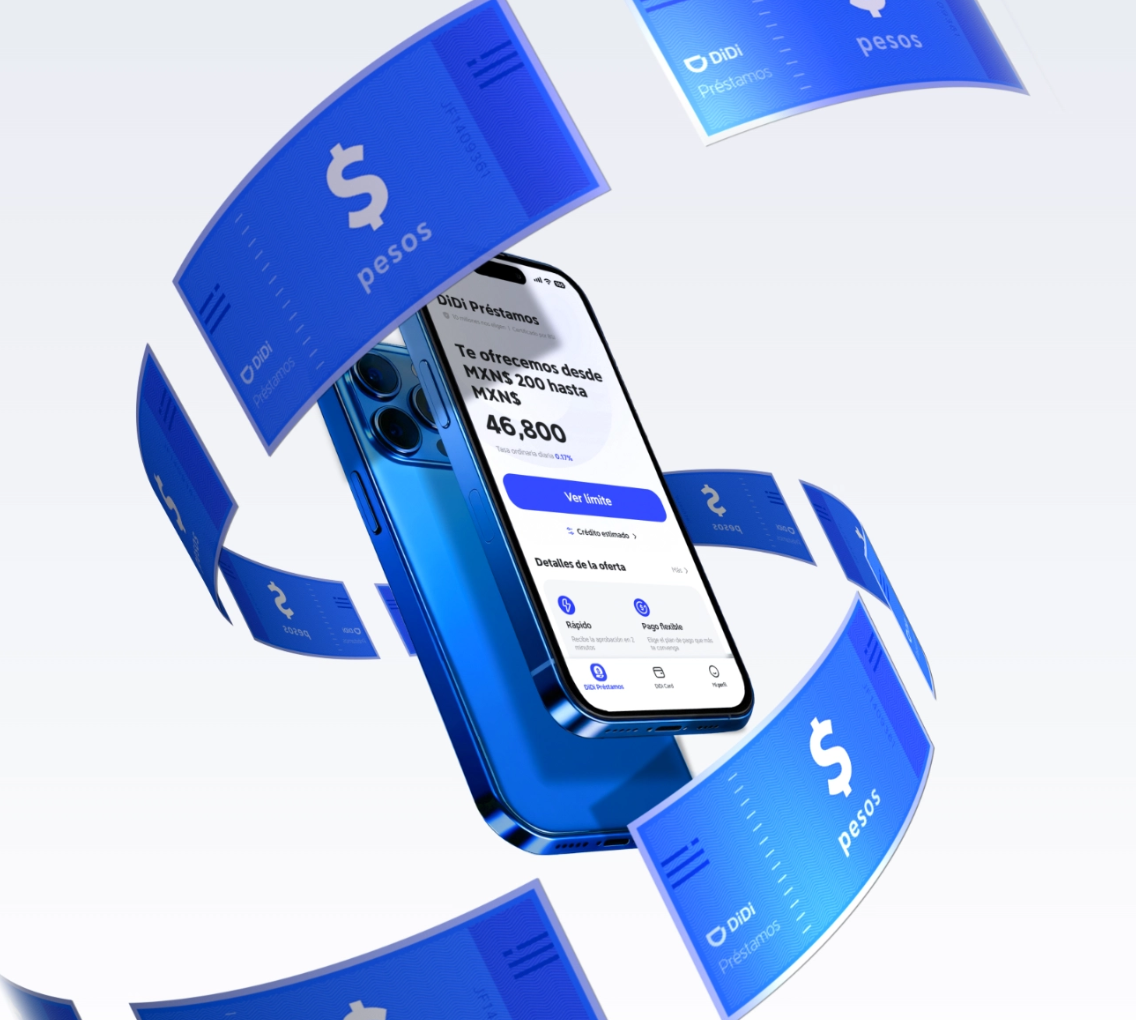
Myth-busting the fuss
Lots of chatter says instalment deals from app platforms are either a bargain or a trap — rarely the whole story. I dug into how these offers behave in practice, paying special attention to what rideshare drivers and small merchants in Mexico City actually see when they opt in. Along the way I looked at the product framing used by didi finanzas and similar fintech players, and what that means for everyday cashflow and ownership decisions.
How instalment offers actually work
At base, an instalment plan breaks a purchase into scheduled payments. That sounds simple. Behind the scenes there’s an APR calculation, possible processing fees and credit checks that touch your credit score. Platforms marketed as fintech solutions often bake in convenience — approval inside an app, fast disbursement — but convenience costs something. In Mexico City, where drivers use small-scale financing for vehicle repairs or phone upgrades, those trade-offs are clear: faster access, slightly higher effective interest than some traditional bank products. I checked public-facing terms from didi finanzas mexico and compared typical instalment structures to basic credit products to see where value sits.
Common costs and where surprises hide
People mostly miss three places where costs sneak in: 1) headline interest vs real APR once fees are included; 2) late-payment penalties that accelerate the balance; and 3) varying terms across merchant partners. You’ll see a low monthly amount and assume it’s cheap — but add an origination fee or a one-time insurance charge and the APR climbs. The practical fix is to ask for a full amortisation schedule and confirm whether the plan reports to credit bureaus — those details change long-term outcomes.
What to watch for — practical signals
Look out for these practical indicators when comparing offers:- Total cost: the sum of all instalments plus fees, not just the monthly figure.- Early repayment terms: can you settle early without penalty?- Transparency: is the APR clearly stated, and does the merchant give a full statement?These are quick checks you can run inside an app before tapping “accept.” If something’s vague, push for a screenshot of the terms — verbal promises rarely solve billing disputes later.
Alternatives worth considering
If instalments feel pricey, consider a short-term personal loan from a bank, a low-rate credit card with a 0% promotional offer, or a community credit line specific to local drivers. Each has trade-offs: bank loans often have stricter approvals, cards can balloon interest if you miss payments, and peer programs may lack formal protections. In practice, many drivers in urban Mexican markets mix and match: using an instalment product for small equipment, a credit card for emergencies, and a bank loan for larger vehicle work — that combo reduces single-source risk.
Three golden rules for choosing right
Use these three metrics to evaluate any instalment product before you commit:1) Effective total cost: compare the full sum payable (including fees) to alternatives. 2) Flexibility: check early repayment, missed-payment penalties and whether terms change mid-contract. 3) Reporting and impact: confirm if balances affect your credit score and how that ties into future borrowing.These rules put you in control — and they highlight where platforms like DiDi Finanzas can be a practical option, especially when speed and merchant integration matter. –