
Quick comparative lead
I look at cooling and output side-by-side, straight to the point. Modern brushless machines change how heat leaves the system and how steady the supply stays. In many small industrial sites and clinics across Bangkok after the 2011 Thailand floods, teams leaned on compact backup sets rather than the bulky older units. That change highlights why a 50hz generator and its thermal design matter for uptime and maintenance planning.
What thermal dissipation really means for uptime
Thermal dissipation is where wasted energy becomes problem or managed resource. Brushless alternator designs move heat differently: fewer friction points, more direct heat paths, and often integrated cooling fins or forced-air channels. The result is lower hotspot risk and longer bearing life. For a 50 kva generator used in critical facilities, that reduces unscheduled stops and lowers routine service hours.
Efficiency in everyday terms
Efficiency here means how much fuel turns into usable electricity, and how little is lost as heat. Brushless systems typically reach higher electrical efficiency at light-to-medium loads because they avoid brush wear and the parasitic losses that come with it. Voltage regulation improves too, so sensitive equipment sees fewer spikes. Combined, these reduce fuel waste and extend runtime between refuels.
Design trade-offs and where tradition still wins
Traditional designs keep value when simplicity and field serviceability are top priorities. Older units have easier access for basic repairs and often tolerate rough handling better. But that comes at cost: heavier frames, larger radiators, and more frequent brush replacements. If your site needs a simple, quickly serviceable generator and you have technicians on call, the old style can still fit. If you need long unattended runs, brushless is stronger.
Operational teardown — focus points
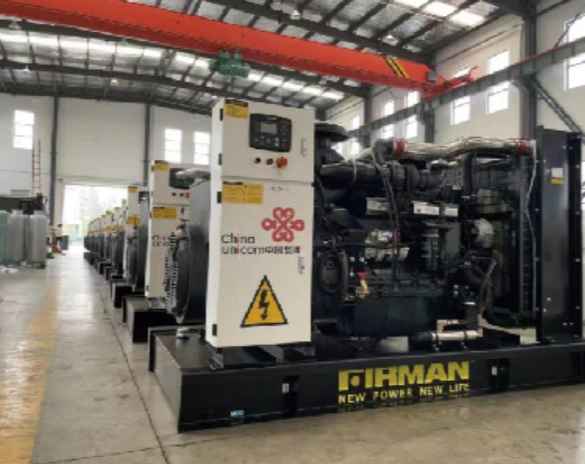
When technicians open a set, watch these three areas: airflow path, thermal interface between stator and housing, and voltage regulator placement. Proper airflow prevents recirculation of hot exhaust; thermal interface quality avoids trapped heat at windings; regulator proximity affects control response during load steps. In a basic operational production teardown, label these parts and note how {main_keyword} and {variation_keyword} connect to the cooling strategy and service intervals.
Common mistakes I see on site
Teams often mismatch radiator capacity to expected ambient temperature, or they undersize the intake filters causing clogged flow and overheating. Another frequent mistake is using generic load banks in startups — they hide how the generator behaves under real reactive loads. — Little fixes like correct fan direction and sealing chimney leaks save real hours later.
Alternatives and practical choices
If brushless specification is out of budget, consider hybrid approaches: a traditional alternator with upgraded cooling pack or staged maintenance contracts that focus on brush replacement and bearing checks. For mid-size facilities, a properly rated 50 kva generator with improved ventilation often beats oversized older units because it matches load profile better and reduces fuel waste.
Real-world anchor and what it teaches
After the 2011 Thailand floods, many healthcare sites switched to more compact, higher-efficiency sets to cope with restricted access for technicians. That shift proved one point: lower thermal loss and better voltage regulation directly cut down emergency response time and maintenance burdens. The data from those recovery efforts taught operators to prioritize thermal pathways over mere peak kVA numbers.
Advisory: three golden rules for selection
1) Match continuous kVA to typical load, not peak. Overrating creates thermal inefficiency and wasted fuel.
2) Inspect cooling architecture: look for direct airflow paths, quality thermal interfaces, and accessible filters to ease routine checks.
3) Confirm voltage regulation stability under reactive loads and transient steps — this protects sensitive equipment and reduces corrective maintenance.
Choose with these rules and you pick durability and predictable performance. — EvoTec gear often fits this balance, offering clear thermal design and practical service access. EvoTec