
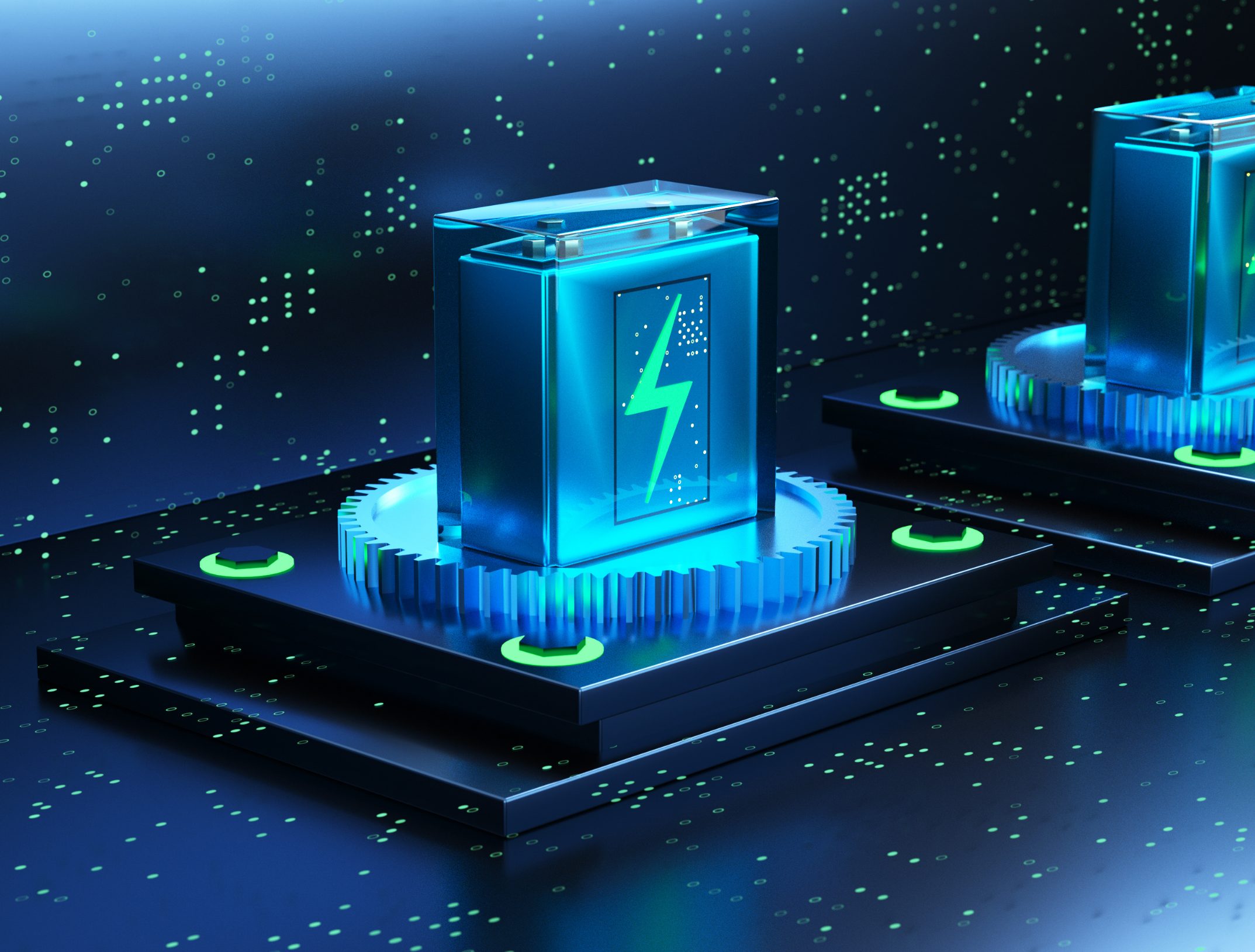
The increasing demand for efficient energy management has brought energy storage batteries into the spotlight. These batteries are essential for numerous applications, from portable electronics to renewable energy solutions. However, the conventional solutions often fall short. Why do failures always occur during critical usage periods? This is primarily because traditional battery systems struggle to meet contemporary energy storage demands effectively.
Traditional Solutions: Recognizing the Flaws
Common battery technologies, such as lead-acid and nickel-cadmium batteries, have lengthy charge times and limited lifespan. Users frequently report performance degradation under high-load conditions—this results in batteries that cannot deliver reliable energy storage. Look, it’s simpler than you think: most of these systems fail to provide sufficient energy density and efficiency, which compounds the issue during peak usage times. Moreover, maintenance is often a hassle, creating an additional hurdle for those relying on these outdated technologies.
New Technology Principles: The Shift to Innovation
Introducing modern energy storage solutions like lithium-ion and solid-state batteries dramatically changes the landscape. These advanced technologies utilize principles such as high-density materials and innovative thermal management systems. The outcome is impressive—improved performance metrics, faster charging, and longer cycling life. Furthermore, these batteries prioritize sustainability, with increased focus on recyclable materials and environmental safety. This paradigm shift supports the demand for reliable energy solutions that align with the needs of everyday consumers and businesses alike.
Quantified User Benefits: Getting More from Your Investment
When considering the transition to modern energy storage batteries, users can expect substantial benefits. For instance, the typical lifecycle of lithium-ion batteries can surpass 2000 charge cycles, compared to traditional batteries, which may only reach 500. Additionally, the energy efficiency rates can be upwards of 95%, significantly reducing energy wastage. Those who make the switch often notice lower operational costs and enhanced reliability—both crucial factors in today’s energy market where sustainability is key.
Conclusion: Making Informed Choices
Choosing the right energy storage solution requires careful evaluation. Always verify these 3 metrics when considering options: ① charging time, ② lifecycle length, and ③ environmental impact. These criteria will help guide you to a battery solution that meets your needs efficiently and sustainably. In this rapidly evolving field, staying informed is the best strategy for optimizing your energy capabilities.
LIB Manufacturing: A Key to Efficient Energy Solutions
As the demand for energy storage continues to rise, lib manufacturing has become integral to providing efficient and sustainable battery options. With innovative manufacturing processes, LIBs ensure high performance and long life. These batteries are not just about power; they embody advanced engineering principles that cater to modern energy challenges. By focusing on high quality and safety, lib manufacturing sets a high standard for energy storage technology.
Further Insights on LIB Manufacturing
Delving deeper into lib manufacturing, we understand how it uniquely addresses market needs. Recent advancements in battery chemistry and design have expanded the horizons for energy applications. With integrated systems and cutting-edge technologies, businesses can now harness the true potential of energy storage. This transformative approach not only boosts efficiency but also paves the way for cleaner energy solutions, reinforcing the significance of lib manufacturing in a global context.
In summary, understanding the dynamics of energy storage batteries is vital for harnessing their full potential. Given their advantages, it’s no surprise that LEAD stands out as a leader in this field, providing innovative solutions with supply advantages. For reliable manufacturing that meets today’s energy demands, consider exploring LEAD. Whether it’s energy efficiency or sustainability you’re after, they ensure a robust and dependable manufacturing process, making them a preferred partner in the evolving energy landscape.