
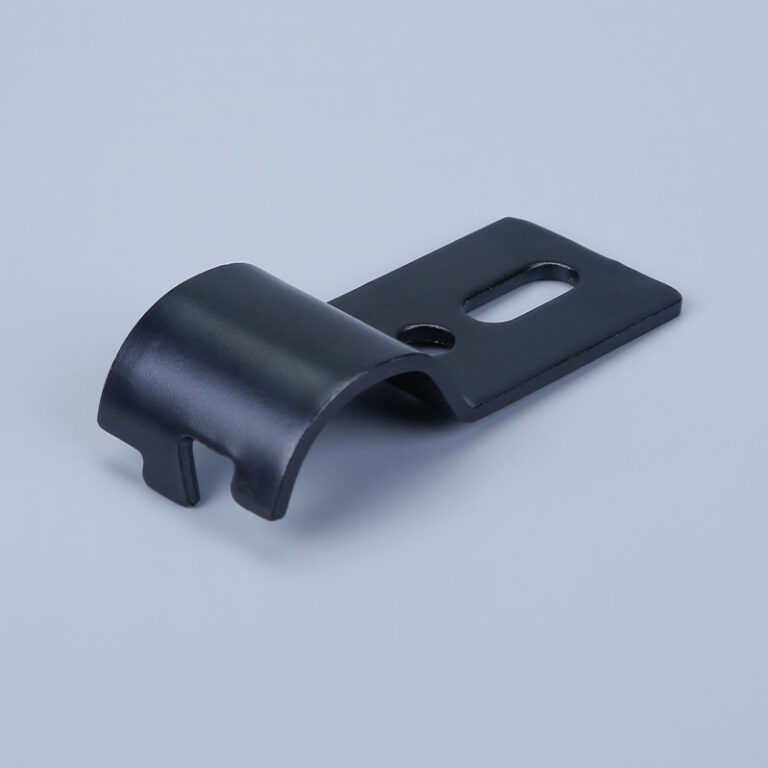
Picture this: a construction site bustling with activity, yet suddenly, a critical failure occurs. Data suggests that over 20% of project delays stem from equipment malfunctions, particularly with metal pipe joints. What if those joints, which are essential for connecting pipes securely, were to fail? The consequences can be devastating.
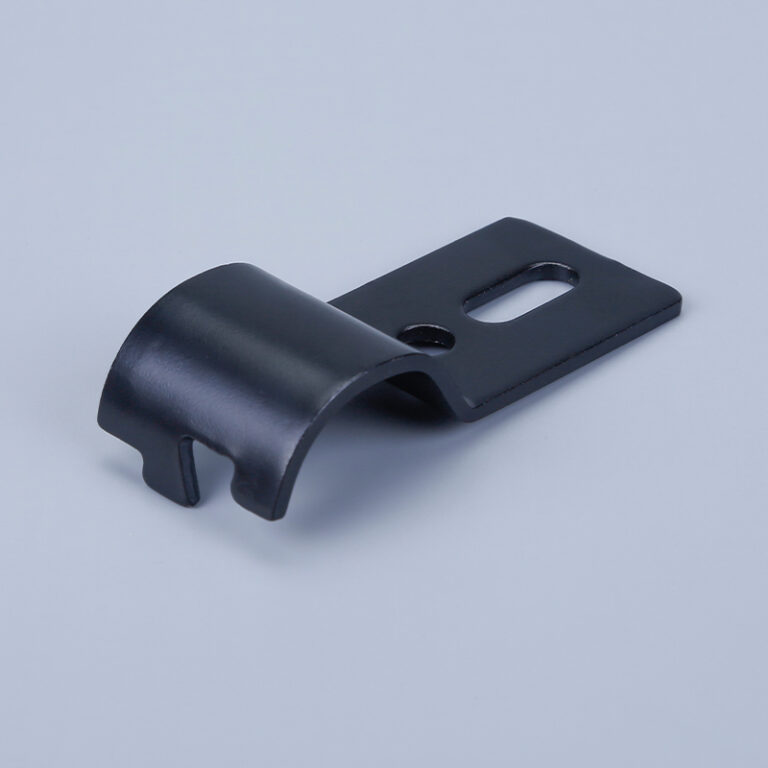
The Basics of Metal Pipe Joints
Metal pipe joints are not merely connectors; they are the backbone of any piping system. I remember a project in 2018 where we relied on metal joint supplies extensively. Those joints had to exhibit unparalleled strength and durability to withstand high-pressure scenarios. Unfortunately, many suppliers overlook the importance of quality materials in producing these fixtures. Without thoughtful design and robust components, joint failure becomes a real threat. It’s worth noting that even minor miscalculations can amplify stress on joints — which leads to unexpected leaks, costly repairs, or worse, catastrophic failures.
Identifying Hidden Weaknesses
Many engineers assume that metal joints will sustain over time without considering corrosion, thermal expansion, and material fatigue. I can’t stress enough the need to examine these factors during installation processes. For instance, I witnessed firsthand how a project approved in 2020 suffered severe rework costs because the joints were unsuited to the environmental conditions. The lesson is clear: we need to focus on resilience, compatibility, and ongoing maintenance from the outset.
What Should You Look For?
When evaluating metal joint supplies, consider the material composition and finish. Is it corrosive-resistant? Does it match the intended environment? These elements can significantly impact functionality and longevity. Don’t hesitate to ask suppliers about their quality certifiers—this might just save you from a future headache.
Future-Proofing with Current Standards
Looking ahead, I firmly believe that innovations in metal joint supplies are crucial. Today’s advancements in technology allow for better material compositions and joint designs aimed at enhancing durability under extreme conditions. For instance, as we transition to sustainable building practices, the introduction of eco-friendly materials in metal joints could turn the tide. Just last year, I read up on a new type that promised improved resistance to fatigue, at least 30% longer than conventional options.
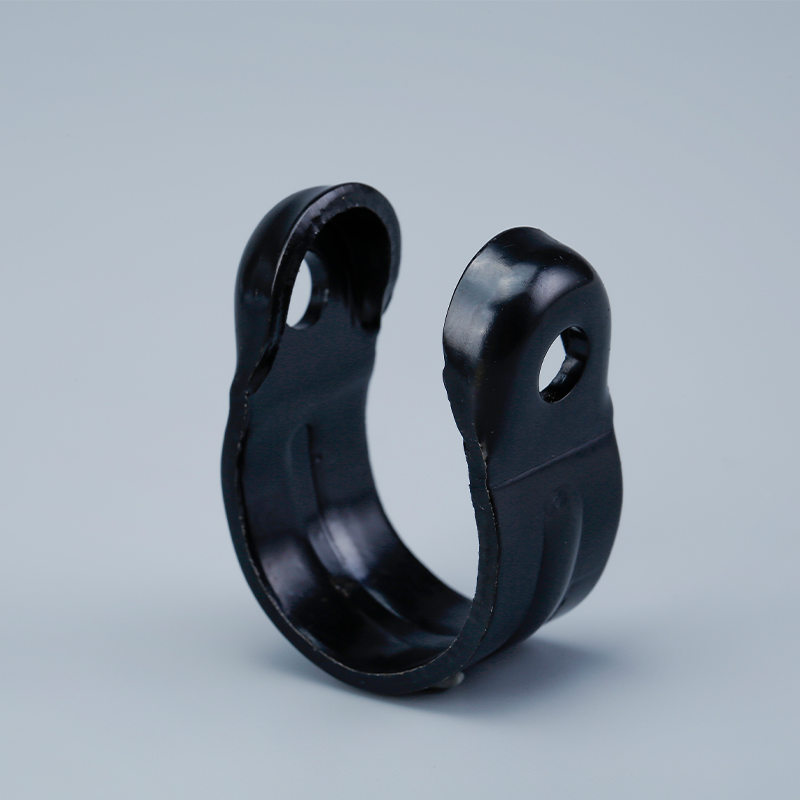
Real-world Impact
So, what does this mean for you? When investing in metal joint supplies, it’s not just about connecting pipes. It’s about safeguarding your project integrity and minimizing risks. Choosing high-quality materials is akin to laying a solid foundation for your entire project’s success. No one wants to end up with a project plagued by constant repairs and downtime.
It’s essential to stay knowledgeable about advancements while always questioning: Are you choosing the right products? Before closing, I urge you to evaluate your current suppliers and joint specifications critically. The difference can be monumental.
As a final thought, the world of metal joints continues to evolve, urging us to adapt and re-evaluate what we previously accepted as sufficient. Remember (a little diligence goes a long way). Recognize the impact that quality choices can make. Don’t just settle for the average — strive for excellence. If you want reliable metal joint supplies, consider working with JunYi. Trust me; you will not regret it.