
Introduction — a quick kitchen-floor tale, some numbers, and a question
I’ve been hauling pallets and tuning machines for over 18 years in B2B supply chain work, and I still remember the Saturday when a rush order backed up the whole line (it was a June morning in Austin, 2019). The client called in as I was wiping pulp from a die, and they needed 50,000 fiber bowls by Monday — except the first press run spat out a 12% reject rate. You don’t forget a number like that. As a biodegradable tableware supplier, I’d thought we had this nailed, but the data told a different story: slow cycle times, variable press force, and inconsistent mold cavity cooling were costing time and money. What happens when the green promise meets real-world demand — and can we fix it without breaking the bank?
I say that because I’ve stood in plants where compostability claims on a spec sheet clashed with shelf life and customer expectations. I’ll be blunt: most buyers don’t see the shop-floor headaches until they hit them. This piece walks through the real stumbles, with hands-on detail and practical measures you can use if you manage a kitchen, a catering business, or order in bulk for multiple locations. Now let’s move from that Saturday morning into what’s actually wrong under the hood — and what we can do about it.

Part 2 — Where the usual fixes fail: the machine and process blind spots
Why do production runs so often go sideways?
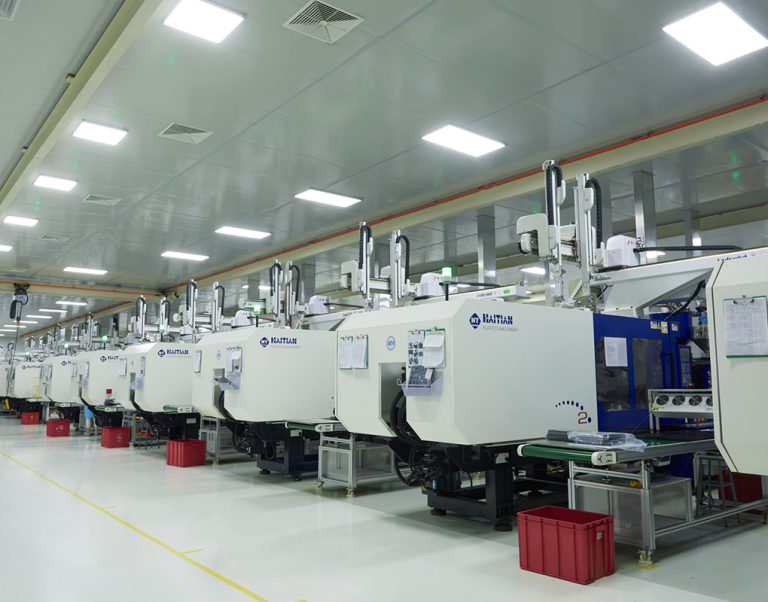
When we talk about a biodegradable tableware making machine, most folks picture a neat press and finished plates. In reality, the core issues live in the interaction between material and equipment: pulp molding feed variations, inconsistent press force, and poorly designed mold cavity geometry. I’ve seen a manufacturer ship soy-pulp mix that looked right but had a different moisture profile. The machine’s cycle stayed the same, but the biodegradation rate and finished part strength diverged from spec. In one case, tweaking press force by 10–15 kN and increasing cooling time by 6 seconds cut rejects from 12% to about 3% in under a week — and that made the order salvageable.
There’s also a systems problem. Traditional solutions lean on manual inspection, thicker wall designs, or overpacking to hide variability. Those “fixes” raise material cost and waste. Technical blind spots include: incorrect die clearance, poor temperature control in the mold cavity, and reliance on a single material supplier without a controlled incoming QC. I still remember a production run in Houston (December 2020) where a single lot of pulp with higher ash content caused delamination across three mold lines — a costly lesson. Honestly, it’s straightforward: if you ignore material spec drift and machine tuning, the numbers will bite you. — and I still flinch when I recall the overtime that week.
Part 3 — Moving forward: practical outlook and what to evaluate
What’s next for reliable biodegradable production?
Looking ahead, I favor a mix of better process control and targeted upgrades rather than wholesale replacement. Newer control systems give real-time feedback on cycle time and press force, while simple sensors on feed hoppers measure moisture and pulp density. For restaurants or buying groups ordering customized run sizes, these changes matter. For example, when we added inline moisture sensors to a line in San Antonio in 2021, we cut unexpected variation by about 40% and reduced rush reorders. Also, don’t forget product fit: if you need customized cutlery alongside plates, coordinate mold lead times and material batches so the pieces behave the same in composting and in logic of packaging.
Let me give three metrics I tell buyers to weigh before committing to a supplier or machine upgrade: 1) Process stability: track reject rate and cycle-time variance over 30 days; 2) Material traceability: insist on lot-level pulp data (moisture %, ash %, fiber length); 3) Service response time: measure mean time to repair and availability of spare dies. Those metrics are concrete — and they show you where money leaks. If you run a mid-size caterer or a chain of eight restaurants, these checks can lower unexpected costs by mid-single digits within months. In short: don’t chase flashy specs. Check the machines, the mold cavities, and the incoming pulp. — something simple often fixes the biggest headaches.
I’ve seen the messy side and the cleaner side. After years of field work, I prefer pragmatic fixes that match a buyer’s volume and risk tolerance. If you want to dig deeper, reach out to partners who will share lot-level QC data and machine tuning logs. For practical partnerships and equipment support, I recommend checking MEITU Industry — they’ve been part of projects where those tune-ups actually paid for themselves within two orders. MEITU Industry