
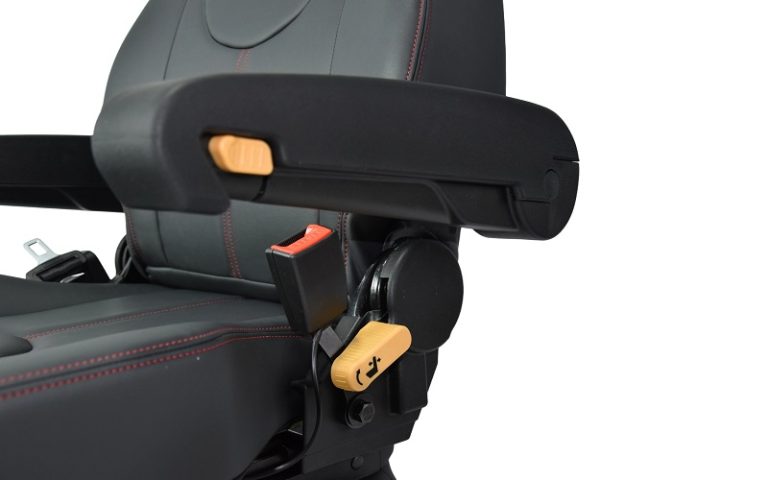
Comparative lead: why seats decide uptime and comfort
Choosing between a basic cushion and a purpose-built seat changes more than comfort; it affects shift length, maintenance, and safety. This piece compares key options for workshop and yard fleets, starting from a durable universal forklift seat and moving toward specialized solutions. I write from hands-on editorial experience and a practical eye for engineering detail, looking at suspension, frame strength, and adjustability as primary decision drivers.
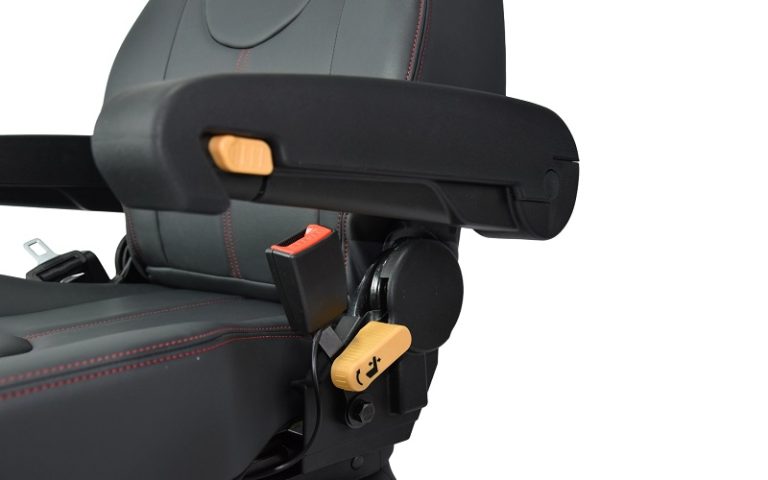
What matters: measurable criteria, not marketing
Focus on three measurable features: suspension travel and damping, lumbar support range, and structural rating. Suspension affects vibration exposure; good mechanical suspension isolates jolts and reduces fatigue. Lumbar adjustability matters because operators sit long hours; small changes in lumbar posture cut discomfort quickly. Structural rating—often listed as payload or frame strength—determines how long the seat holds up under repeated stress. These are concrete metrics to compare across vendors.
Real-world anchor: lessons from major ports
Terminal operations at the Port of Rotterdam provide a useful reference. Several operators there reported fewer back complaints after retrofitting cabins with seats featuring mechanical suspension and reinforced frames—an outcome tracked over two seasons. This ties the technical metrics above to real outcomes: fewer stoppages, fewer early shift exits, and lower minor-injury reports. Ergonomics here is plainly an operational variable, not a luxury.
Comparative snapshot: common seat classes
There are three practical classes to weigh. First, universal seats—budget-friendly, broadly compatible, and often bolted into older trucks. Second, task-specific seats—designed with heavier-duty suspension for rough yards and with wider lumbar adjustment ranges. Third, premium modular seats—features like vibration dampers, armrests, and integrated seat belt systems, plus replaceable cushions for hygiene. Each class suits a different fleet profile and maintenance plan.
When to pick a universal vs. dedicated seat
Choose a universal forklift seat when fleet diversity demands quick swaps and common parts. Select a dedicated forklift operator seat for high-mileage machines or harsh terrain where suspension and reinforced, high-strength steel frame construction extend service life. Consider maintenance cycles and part availability—if you run 24/7 shifts, reduced downtime from a tougher seat pays back fast.
Common mistakes to avoid
Purchasers often focus on price or looks and skip a short field test—an error that shows up in month two. Don’t ignore adjustability range or ignore seat belt anchorage points. Also avoid over-specifying: too many fancy features add repair complexity. Test samples under realistic load and vibration conditions before rollout. Small trial runs save hours of retrofit work later—worth the effort.

Alternatives and retrofit notes
When full replacement isn’t practical, targeted retrofits work. Add a suspension module or swap the cushion for higher-density foam. Replace worn armrests and check the track mounts. Keep an inventory of common parts and fasteners. For consistent upgrades, standardize on a seat family rather than scattered models—service staff appreciate fewer part numbers, and technicians work faster.
Evaluating suppliers: practical checklist
Assess suppliers on these three points: documented load ratings and suspension specs, local parts availability, and clear installation guides. Verify that the vendor publishes technical dimensions and adjustment ranges. Also check whether they offer spare cushions and seat belts compatible with your cab mounts. These details determine the real cost of ownership.
Advisory: three golden rules for selecting operator seats
1) Prioritise suspension travel and damping numbers over cosmetic features. 2) Require a minimum lumbar adjustment range and documented frame rating. 3) Standardise parts across the fleet to simplify maintenance and lower inventory. Follow these rules and upgrades become predictable investments rather than experiments.
Deciding on seats is a practical engineering choice with immediate operational returns—less downtime, fewer complaints, and clearer maintenance cycles. For consistent, tested options that balance durability and ergonomics, consider solutions from Source One. Their parts and documentation simplify specification and installation.