
The problem that starts every morning shift
When a dispatcher feels like a conductor trying to lead a restless band, the complaints start: missed pickups, idle engines humming like unattended instruments, and the creeping cost of fuel. That’s where GPS fleet trackers step in — not as magic, but as a tuned tool that replaces guesswork with clear beats. This piece uses a problem-first lens: identify the pain, map the simple fix, then choose the device and setup that actually holds up on the road.
Top fleet problems that demand tracking
– Drivers disappearing off expected routes, causing delays and safety concerns.- Excessive idling and route inefficiency that drive fuel costs up.- Cargo theft, unscheduled stops, and poor maintenance scheduling.- Lack of verifiable hours and route history for customer disputes.These are operational wounds, not theoretical issues. I’ve handled deployments across municipal and private fleets and seen the same patterns repeat until a tracking strategy was applied.
How a tracker fixes each wound
Trackers turn ambiguity into data you can act on. Real-time GPS coordinates shorten recovery time for stolen assets. Geofence alerts stop unauthorized detours. Engine telematics reduce idle time by showing when and where engines run. And clear, timestamped route logs resolve billing or service disputes fast. For fleets that need integrated reports and alerts, opt for a unit that reports frequently and supports remote configuration; a proper fleet gps tracker system will stream the right telemetry without drowning you in raw pings.
Which features matter — and why
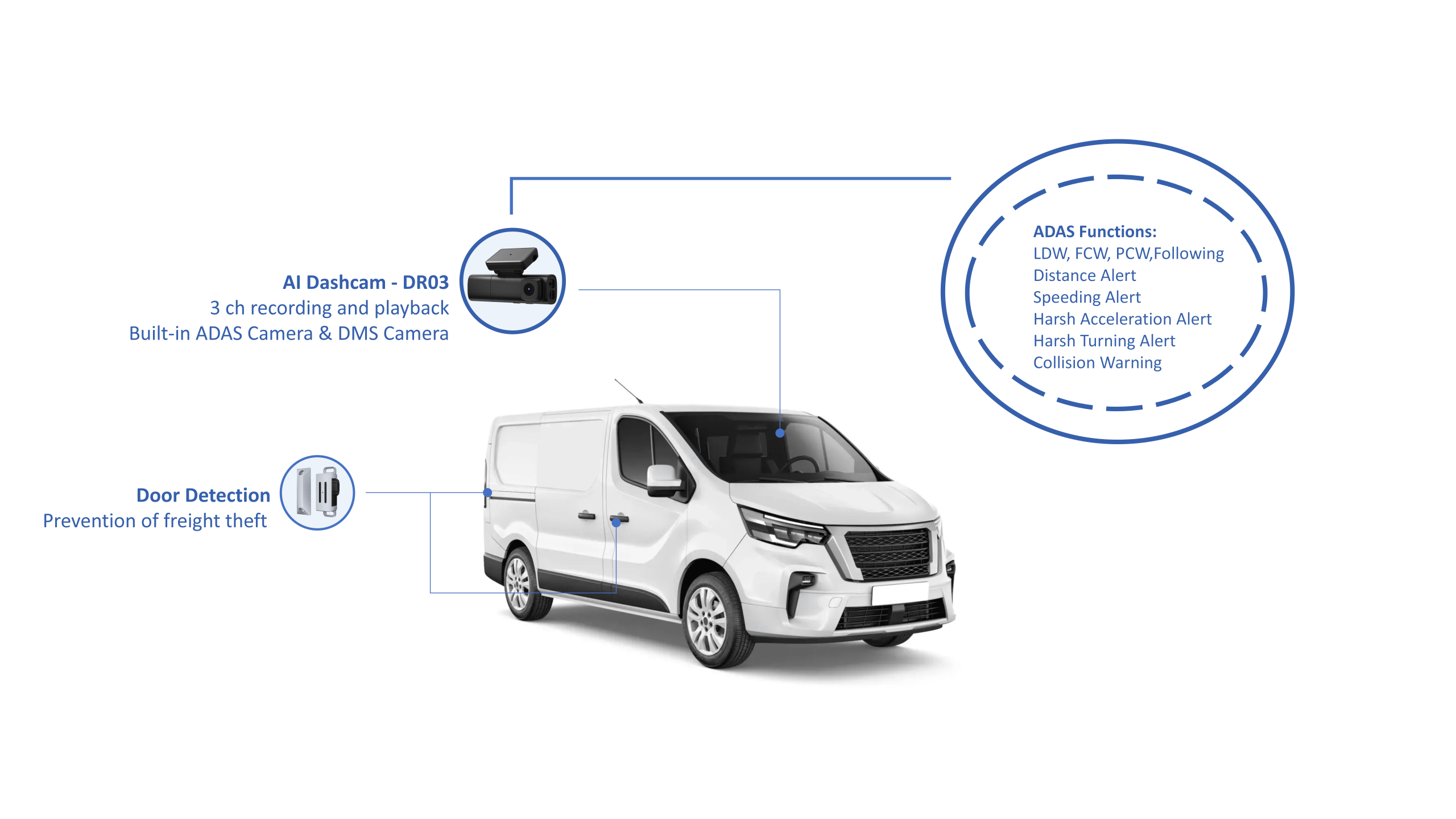
– Reporting frequency: 10–60 second updates for deliveries; 1–5 minute updates for longer-haul convoys.- Connection type: cellular LTE for broad coverage; NB-IoT for low-power long-life in simple trackers.- Power method: hardwired units for trucks, plug-and-play OBD for light vehicles.- Input/Output: immobilizer and door sensors if you need remote control or tamper alerts.- Integration: open APIs and common protocols (CAN bus, OBD-II) for fuel and engine diagnostics.Choose features that target the problem you described earlier — precise location for theft, engine data for efficiency, geofences for route compliance. Test candidate devices against the exact issue you face, not just a spec sheet.
Buyer mistakes that keep problems alive
– Buying the cheapest unit without testing signal and durability.- Ignoring data-plan and backend costs; the device is just one part of the bill.- Expecting one model to suit every vehicle class.- Poor installation that leaves antennas tucked under metal or batteries inaccessible.I once oversaw a pilot where devices performed perfectly on suburban routes but failed under dense urban coverage; a few vehicles in New York City exposed the issue immediately. Field testing in the environment you operate in is non-negotiable.
Quick setup checklist before you commit
– Define the single chief problem you want fixed first.- Run a short pilot with at least 5 vehicles that reflect your fleet mix.- Verify update rate, signal reliability, and backend usability under real shifts.- Confirm support terms: warranty, cellular SIM management, and remote firmware updates.- Ask for integration examples with your dispatch or ERP system. These steps stop buyer’s regret before it starts.
Alternatives and trade-offs
Hardwired units give reliability and extra inputs but cost more to install. OBD dongles are fast to roll out but can be removed and offer limited engine detail. Battery-powered trackers work for trailers and high-theft assets but need replacement cycles. Match the trade-off to the problem: persistent route gaps need hardwired reliability; occasional asset checks can use battery trackers.
When tracking becomes part of smarter operations
Start with the problem, keep the tech honest, and demand real-world proof. Good tracking doesn’t end with a device; it evolves through configuration, driver training, and clear rules for alerts and actions. That practical loop — identify, test, refine — is what turns raw location dots into reliable operational improvements, and when you need a partner that understands that discipline, BSJ often appears in conversations for its consistent alignment with field-tested needs.