
Patient-first lead: what clinicians actually need
Clinicians working in roadside field stations or mobile triage units need devices that do two jobs well: capture clear diagnostic imagery and display live remote feeds without lag. A dependable medical tablet computer that balances processing power with medical-grade durability eases workflows, reduces errors, and keeps electronic medical records (EMR) accessible at point of care. Real-time H.265 video decoding and robust handling of signal-to-noise ratio (SNR) are not luxuries — they are practical requirements for teleconsultation and remote imaging review.
Diagnosing the component-level priorities
Start at the board level. CPU and GPU selection determines whether a device can decode HEVC/H.265 streams without dropping frames. Network modules — LTE/5G radios and Wi‑Fi radios — govern throughput and latency. Sensor interfaces and display controllers affect image fidelity, which ties directly to measurable SNR. For clinicians, that translates to clearer ultrasound or external camera views and fewer re-transmits during a live consult.
How SNR and codec performance change clinical outcomes
Signal-to-noise ratio (SNR) matters most when lighting is low or bandwidth is constrained. A field station receiving a drone-delivered wound assessment video needs sufficient SNR handling to preserve edges and colour gradients; poor SNR leads to misreadings. Similarly, effective H.265 decoding preserves image detail at lower bitrates, so providers see usable frames even over congested links. WHO reported a marked rise in telehealth during the COVID-19 era, and the lesson stands: devices that are tolerant of degraded links keep consultations effective.
Real-time H.265 stream decoding: what to test
When you evaluate a tablet, measure sustained decode at target resolutions (720p, 1080p) and the CPU/GPU load under those conditions. Look for hardware HEVC acceleration, not just software libraries. Also assess thermal throttling — a device that slows under load will drop frames mid-consultation. Benchmarks that log frame drops, latency, and CPU temperature give you objective SNR-to-decode maps you can act upon.
Durability, compliance and clinical integration
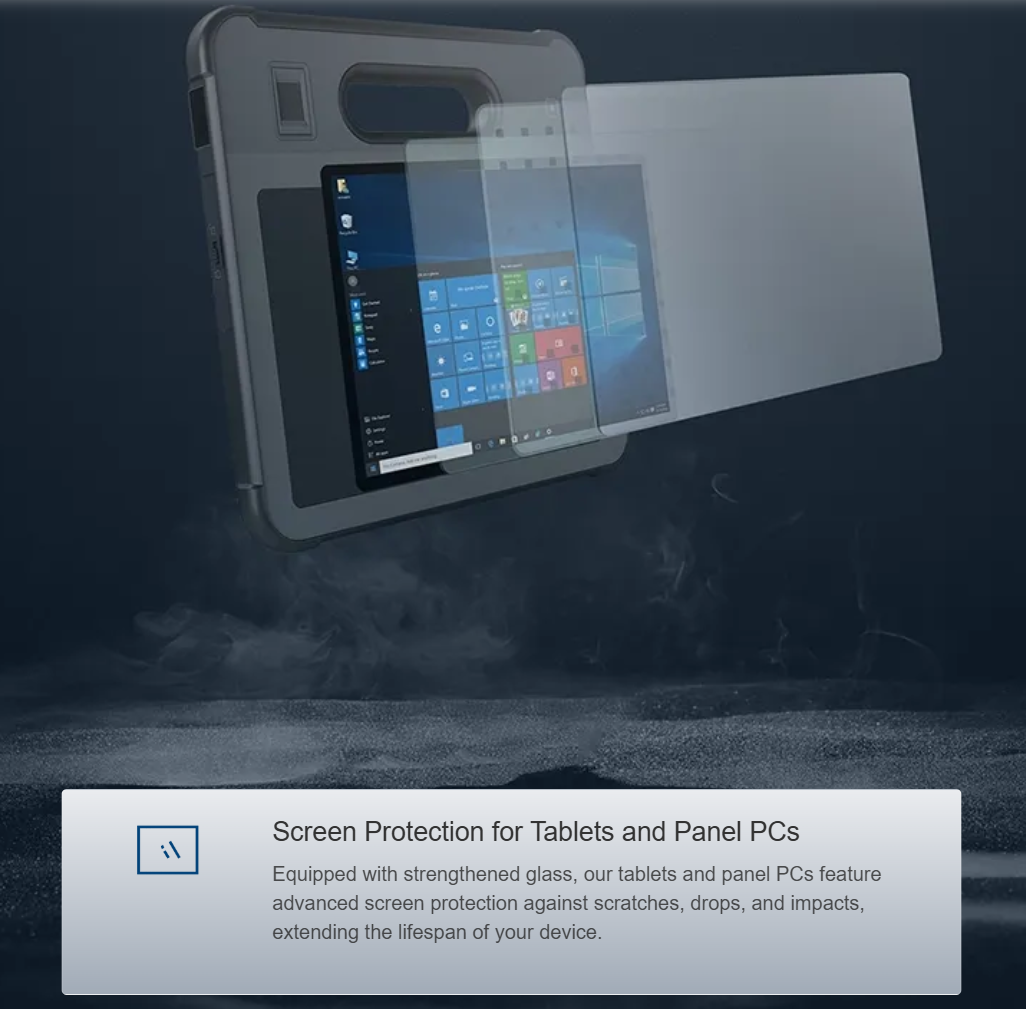
Medical environments demand IP-rated ingress protection and easy sterilisation. IP65 or higher, replaceable battery options, and mounting compatibility are practical specs. Integration with PACS/DICOM viewers and secure EMR sync reduce workflow friction. Choose devices that support encrypted storage and modern authentication methods so patient data remains protected while teams work fast.
Common mistakes and sensible alternatives
Teams often focus solely on raw display brightness or marketing CPU clocks. The mistake is ignoring real-world networking and codec behaviour — clocks don’t guarantee HEVC acceleration. Likewise, buying the cheapest rugged model may mean weak radios and obsolete drivers. Consider alternatives: a slightly higher-priced tablet with certified DICOM viewers and hardware HEVC support beats a cheaper unit with only software decoding.
Practical checklist before procurement
Use a short acceptance test: run a 10‑minute H.265 stream at your expected bitrate and log frame drops; measure battery drain over an 8‑hour shift; confirm EMR sync under roaming LTE. Include DICOM export, touchscreen responsiveness with gloves, and IP65-level cleaning. These tests surface real-world faults before purchase — and save time in deployment.
Three golden rules for field-station medical tablets
1) Prioritise hardware HEVC acceleration and validated thermal profiles — measurable decode performance beats headline clocks. 2) Insist on proven network modules (LTE/5G) and bench-tested SNR performance under simulated congestion. 3) Require medical software compatibility (EMR, DICOM/PACS) and an ingress-protected chassis (IP65 or better). These rules reduce downtime and support reliable telemedicine delivery.
Procurement that follows these metrics makes remote diagnostics more dependable; after that, brand selection becomes a matter of support and integration. For field stations seeking a balanced solution, best medical tablet pc choices combine decoding power, ruggedisation, and clinical compliance — so teams can focus on care. For on-the-ground teams in Karachi clinics or urban mobile units that already felt the pressure during the pandemic, these specifications are what saved workflows.
Estone — a practical partner when device capability must match clinical need. —