
Introduction: A Night in the Square, A Lesson in Light
You’re in a packed praça by the river, music rising, fog rolling. The first beams slice the air, and the crowd goes silent. Laser Light Systems turn a simple show into a full-body moment. Recent event audits show that over 40% of show issues come from control delay, poor beam quality, or heat drift—small things that break the spell. So here’s the question: when two rigs look the same on stage, why does one feel sharper, safer, and more alive?
I’ll keep this smooth and direto, like a good espresso (sem stress). We’ll compare the quiet details that decide winners and explain why some setups keep sync while others wobble. Then, we move to what’s coming next—and how to choose well without guesswork.
Part 2: The Hidden Flaws Behind Familiar Rigs
Where do legacy rigs fall short?
In Part 1, we outlined the basics—venue limits, safety shutters, and sync lines. Now let’s go deeper, in a technical but calm way. A modern laser show system lives or dies by three quiet factors: beam quality, motion control, and power stability. Legacy units often push scanning galvanometers beyond safe angles, which raises beam divergence and softens patterns at distance. Add DMX-only control and you get extra latency; timecode drifts, and cues arrive late. Thermal management is another silent culprit. When drivers heat up, modulation frequency drops, colors wobble, and you lose crisp edges. Look, it’s simpler than you think: if the power converters sag or cooling is uneven, the picture blurs.
There’s also the “good enough” trap. Old rigs look fine in rehearsal, then fail under fog density or wind. Without photodiode feedback, output can spike; without proper interlocks, safety margins shrink—funny how that works, right? Even cable paths matter. Long, noisy runs add jitter to Art-Net or SACN, and scanning mirrors react late. If your system lacks proper grounding and clean signal routing, micro-stutter appears in aerial fans and tunnels. The pain points stay hidden until showtime, and by then, everyone sees them—e não dá para disfarçar.
Part 3: Forward-Looking Principles That Change the Game
What’s Next
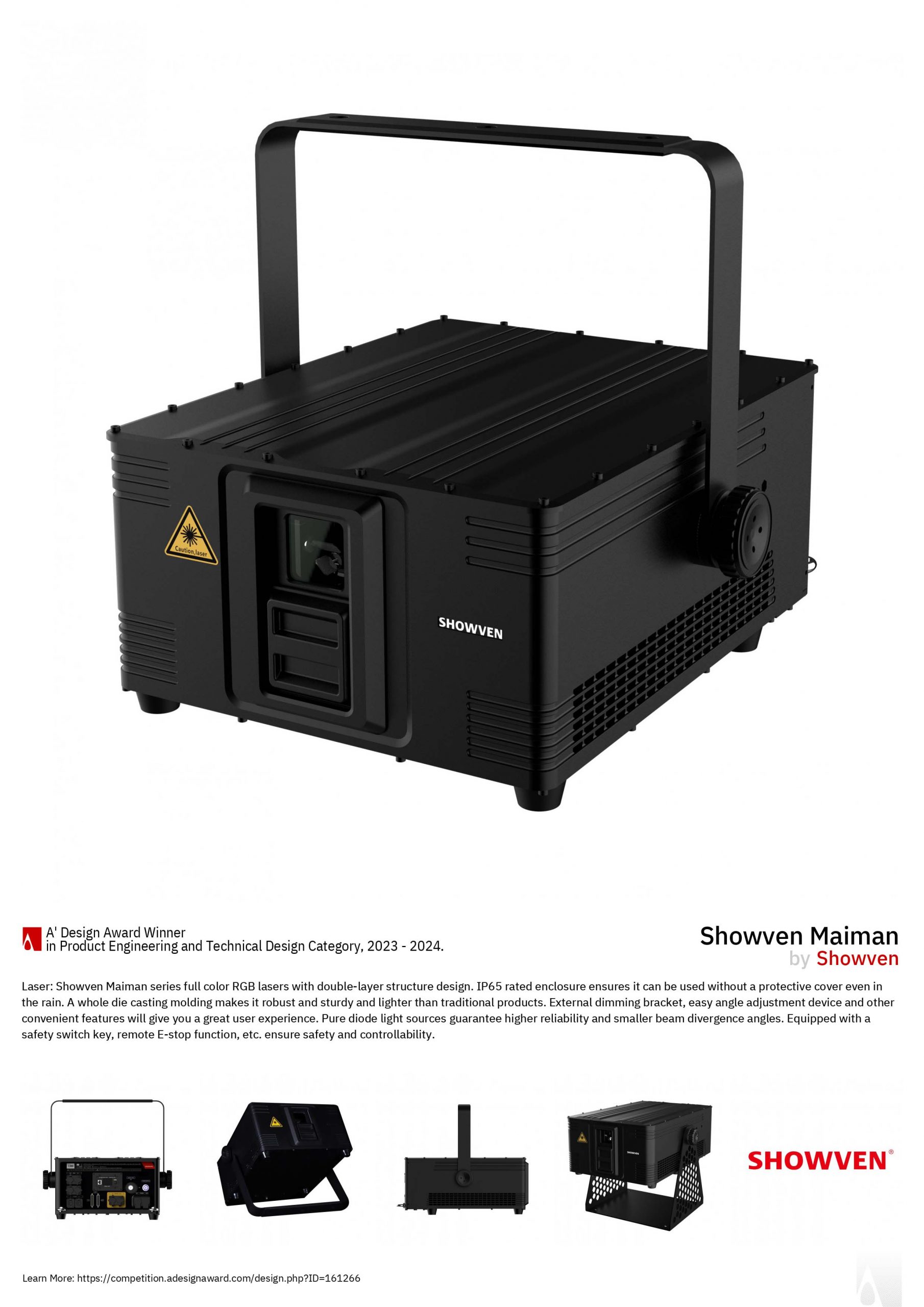
New tech is fixing these quiet flaws with smarter cores and cleaner power. FPGA control tightens timing so pan/tilt vectors land exactly on beat, even with dense frames. Edge computing nodes near the stage reduce network hops, cutting sync jitter by milliseconds. IP65 enclosures keep dust and mist out; better thermal management holds color balance steady across long sets. Pair that with photodiode feedback, and the system trims output in real time. In advanced laser light manufacturing, tighter binning of laser diodes and improved optics stacks lower beam divergence at the source. The result: sharper looks, safer zones, and less stress for operators.
Comparatively, two rigs with the same wattage can perform very differently. One drifts when ambient rises; the other locks in because drivers and power converters were designed for sustained load, not just peak blasts. One needs frequent recalibration; the other uses auto-tuning on scanning galvanometers to hold geometry stable. As venues demand hybrid shows—lasers with drones, LEDs, and synchronized pyros—clean protocol handling matters. Systems that natively blend Art-Net, timecode, and OSC behave better in stacked cue lists. You see it in the air: tighter fans, crisper abstracts, fewer “why did it jump?” moments. Small choices in control topology become big wins on the night.
How to Choose Smart: Three Metrics That Keep Shows Tight
Advisory close, straight to the point. Use these three checks when booking or buying:
1) Beam Integrity: Ask for measured beam divergence under load (aim for ≤1.2 mrad for sharp aerials) and stable modulation frequency across long cues. Confirm optics quality, not just output wattage.
2) Control Latency and Sync: Verify end-to-end cue latency under your protocol (target <10 ms with timecode). Check scan speed ratings honestly—e.g., 40kpps at 8° visual angle—and test for jitter with stacked looks.
3) Environmental and Safety Readiness: Look for IP54+ (outdoor needs more), redundant interlocks, and documented thermal management. Ensure clean power converters with PFC and proper grounding paths to avoid noise.
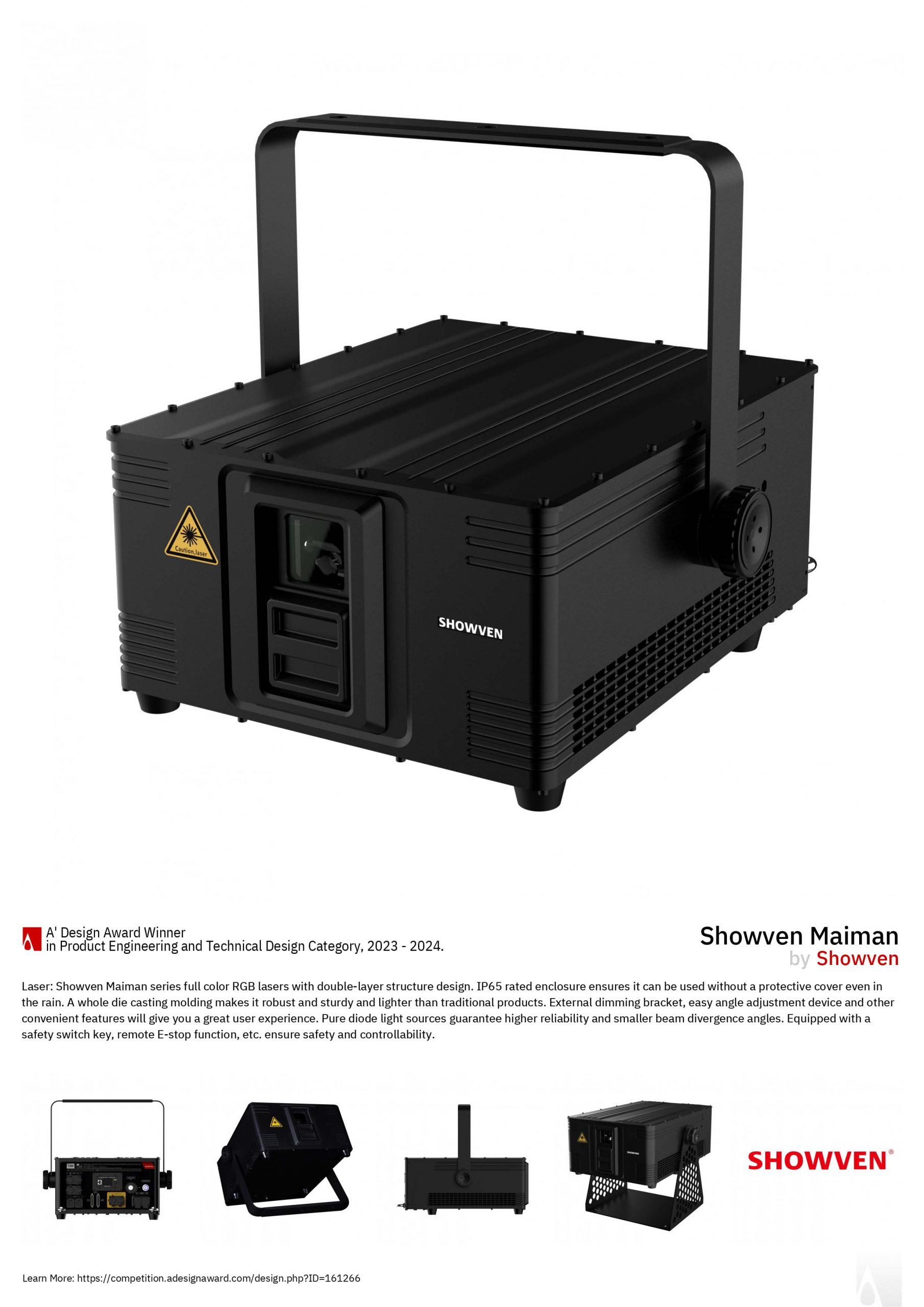
Do this, and you’ll avoid the usual traps— and that’s okay. The best systems feel calm under pressure because the engineering is calm. If you want a reference point to start your checklist, have a look at Showven Laser.