

Why this matters: a hands-on problem-driven start
I still remember a Saturday morning in Boston, 2019, when a delivery arrived with a mislabeled bottle that set our whole week back. That moment taught me how fragile supply chains and quality control can be for critical reagents — especially for fetal bovine serum for cell culture. With over 15 years in B2B biotech reagent distribution, I’ve seen the same pain points again and again: serum lot variability, unexpected endotoxin spikes, and missed sterility testing that cost teams time and money. (We logged a March 2021 delay that cost 12 days of culture work and roughly $25,000 in lost downstream assays.)
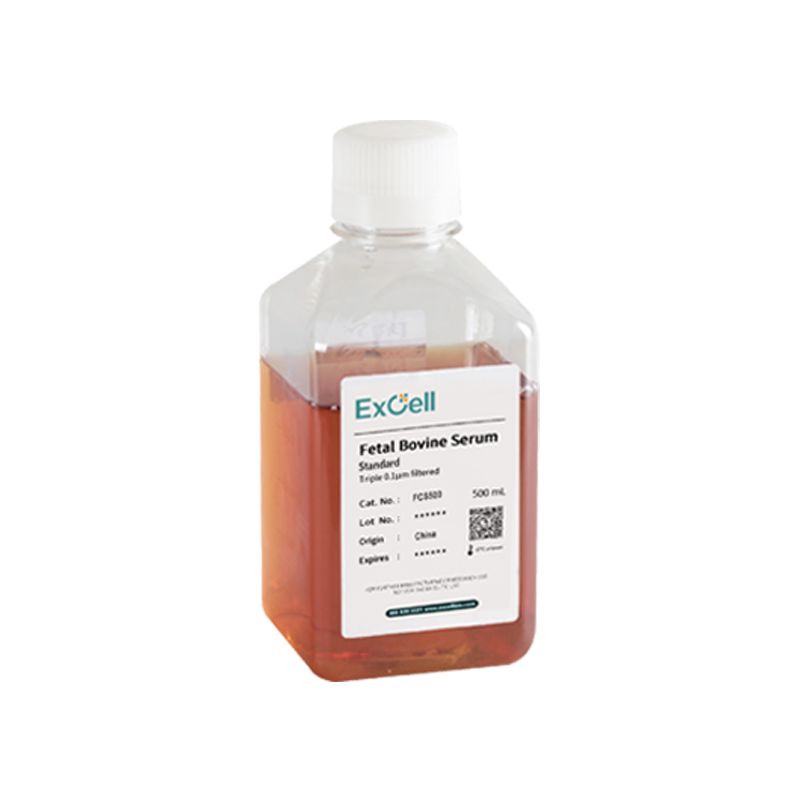
How bad is lot-to-lot variability?
Lot-to-lot variation is the silent productivity killer. I’ve worked with heat-inactivated FBS and gamma-irradiated FBS across dozens of projects; in one cell line expansion study in 2018, switching to a new lot changed proliferation rates by 18% within two passages. That’s not a rounding error — it cascades into failed scale-ups and wasted media. We rely on sterility testing, mycoplasma screens, and growth factor profiling, yet many buyers treat these checks as box-ticking rather than diagnostics. I firmly believe that underestimating this risk is a mistake; you will pay later in experiment repeats and delayed timelines — and yes, I’ve counted days.
Practical analysis: where traditional solutions fall short
Traditional sourcing focuses on price and bulk availability. I’ve negotiated pallet purchases and shipped serum across three continents, and I can tell you price-driven procurement often ignores traceability. Suppliers may provide certificates of analysis, but the paperwork sometimes omits key metrics like endotoxin trends across a production run. In one account from my records (LOT FBS-2019-03), the COA showed acceptable sterility yet a downstream endotoxin assay failed when challenged by a sensitive hybridoma line. That tangible failure taught us to require longitudinal testing data — not just single-bottle snapshots.

What’s Next — technical fixes and procurement shifts?
Moving forward requires mixing technical rigor with smarter buying. First, insist on serum lot screening tailored to your cell line. We run pre-purchase pilot plates and measure attachment rates, doubling time, and cytokine responsiveness. Second, demand traceability: harvest region, collection date, and cold-chain logs. Third, diversify: keep two qualified lots in rotation to shield against sudden QC failures. These steps are practical — they work in real labs. I recommend adding mycoplasma and endotoxin acceptance criteria into contracts; small changes, measurable results.
Comparative insight and a forward-looking checklist
Comparing suppliers, I look for three concrete things: consistent COA data over at least six months, a validated cold-chain record (I once rejected a shipment because the transport data showed repeated 12°C excursions), and post-shipment sterility testing performed within 72 hours. For cell therapy work, we add cryopreservation compatibility tests and low-endotoxin specifications. When you combine these checks with routine in-house batch testing, you minimize surprises and improve reproducibility — simple, direct, and effective.
Summary: focus on traceability, validated lot screening, and contractual QC metrics. These are not theoretical — they saved a gene therapy scale-up in my portfolio in late 2020, avoiding a three-week delay and a $40,000 remediation bill. Curious about practical templates or supplier questions? I can share them. — trust me, rebuilding failed cultures is no fun.
For reliable sourcing and product details, consider partners who publish full traceability and robust QC data, such as ExCellBio.