
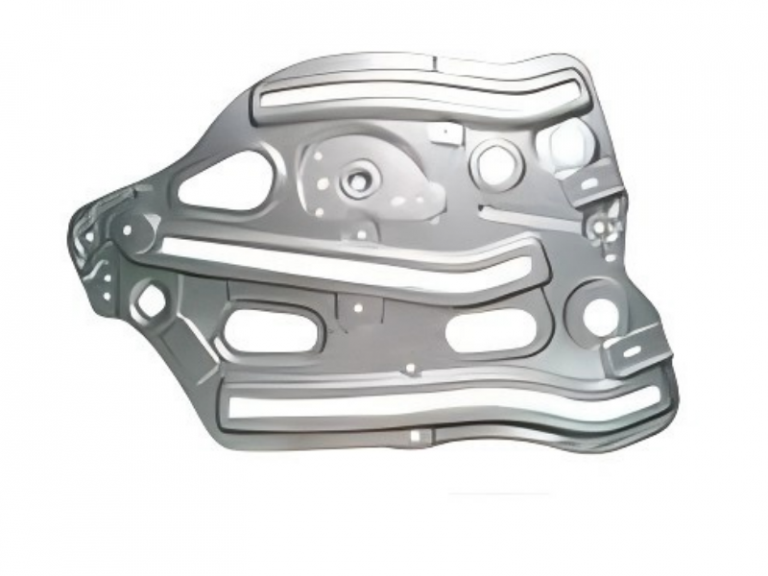
The Challenge of Sheet Metal Prototyping
Picture this: a manufacturing engineer hurriedly races against time, juggling multiple projects while grappling with a deadline that’s looming ominously. Did you know that over 70% of engineers report delays in their metal prototyping processes? This is especially critical for sectors such as automotive and aerospace, where precision is non-negotiable. The fast-paced world of engineering design heavily relies on rapid sheet metal prototyping, yet traditional methods often lag, leading to increased costs and frustrating delays. What’s the cause of these inefficiencies?
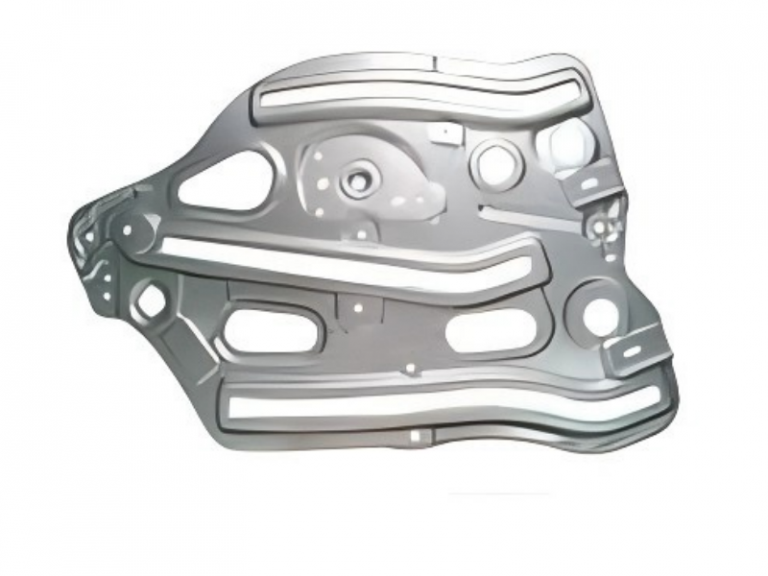
Understanding the Flaws in Traditional Solutions
Many companies still cling to outdated techniques for prototyping, overlooking the weaknesses that can stem from these age-old practices. Consider material waste—many traditional methods generate an excessive amount of scrap, costing companies both time and money. For example, I vividly recall a project back in 2018 where a client faced a 30% overage in material costs due to inefficient cutting techniques. Not only did this inflate their budget, but it also delayed their time-to-market. Utilizing modern rapid sheet metal prototyping methods can streamline material usage and diminish these costly inefficiencies, leading manufacturers toward a more sustainable future.
What Are the Hidden User Pain Points?
Many clients I’ve worked with expressed frustration over the lack of flexibility in traditional prototyping. The fear of making changes late in the design phase often leads to hesitation and inflexibility in the final product. I’ve seen how rapid sheet metal prototyping not only accelerates the design cycle but allows teams to pivot quickly without incurring prohibitive costs. Ultimately, innovation should embrace adaptability—especially in today’s constantly changing market.
A Forward-Looking Perspective on Rapid Prototyping
So, where does this leave us? Rapid sheet metal prototyping is not just about keeping pace; it’s about outpacing the competition. By adopting these innovative processes, businesses can significantly improve their product cycles. Think about it: streamlined workflows, reduced lead times, and greater accuracy all lead to enhanced competitiveness in the field. My clients who transitioned to these practices saw, on average, a 40% reduction in prototype creation time, which dramatically impacts overall project timelines and delivery schedules.
Real-world Impact of Innovation
As we continue to embrace technology—3D printing, CNC machining, and automated design software—the future of rapid sheet metal prototyping looks incredibly promising. This is not merely speculative; it’s occurring right now. Companies are realizing that investing in these advanced methodologies can open doors to new market entries, where tenacious competition reigns. The adaptability of new techniques allows for more intricate designs and improvements that were previously unimaginable. Just the other week, a colleague and I discussed how he had pushed the limits of sheet metal design by implementing newer software, which resulted in a complex component that met all functional requirements with less weight and lower manufacturing costs.
Lessons Learned and Key Insights
Looking back at the discussions we’ve had, it’s clear that embracing rapid sheet metal prototyping carries substantial advantages in efficiency and market readiness. The journey to innovation often requires evaluating and reevaluating traditional methods. Remember, as you explore options, consider the following: Are you fully utilizing modern technologies? Have you evaluated the cost impacts of material waste? Lastly, are you open to pivoting in your design phases? These questions can be pivotal in driving future success. For comprehensive support and expert guidance, APT-Mold stands ready to assist you on your journey through the evolving landscape of rapid sheet metal prototyping, ultimately helping you foster innovation and achieve excellence.