
The problem I keep seeing in CHO labs
I vividly recall a Saturday morning in June 2019 at a mid-sized biomanufacturing facility in Kuala Lumpur where we threw away three weeks of runs because the media change was rushed and uncontrolled. That incident convinced me that many teams underestimate how cho media choices cascade into downstream failure — and why cho cell culture outcomes suffer. I have over 15 years working in bioprocessing and I still meet folks who treat media like a checklist item rather than a living system parameter.
Here’s the real pain: standard solutions (one-media-fits-all or blindly following vendor recipes) mask hidden user pain points. Problems like inconsistent glycosylation patterns, unexpected bioburden spikes, and cell line instability show up late — during scale-up or QC — when the cost to fix is high. I’ve seen a 18% drop in titer when teams switched supplier without matching osmolality and feed strategy; that was measured on a 50 L single-use bioreactor run in August 2020. Small technical gaps (pH control drift, DO control lapses) become big operational headaches — and nobody wants to blame the media, lah (little aside).
Practical analysis: Why traditional solutions fail
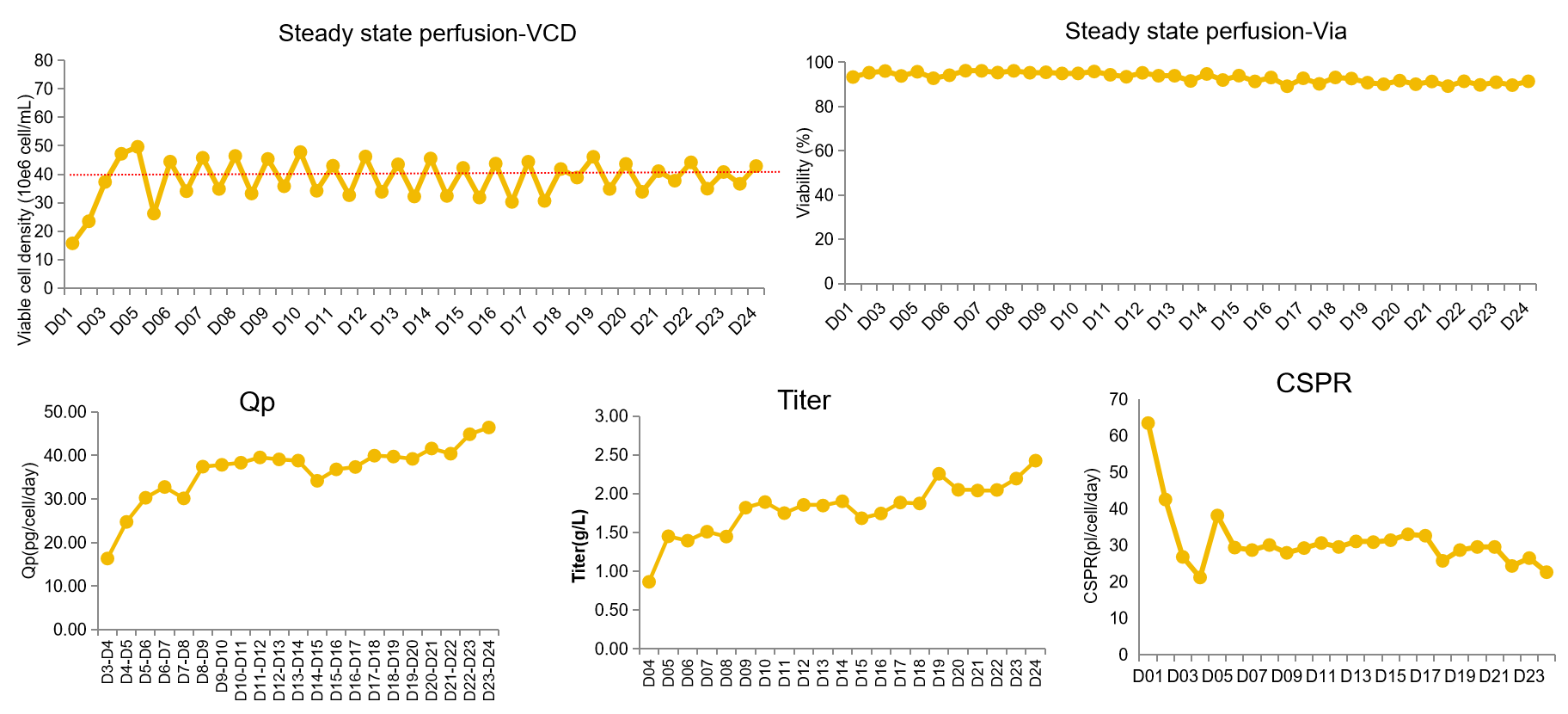
Traditional fixes focus on recipe tweaks but ignore user workflows. For example, serum-free media formulations are touted for consistency, yet labs using fed-batch process without aligning feed timing see nutrient shocks — cell viability falls quickly. I prefer a pragmatic approach: map lab routines (shift handovers, sampling cadence) to media handling. Last year I helped a facility in Singapore change to a perfusion-friendly media and rework their inoculum schedule; growth curves stabilized and cumulative harvest yield rose by 12% over three months.
Technical constraints matter: cell line stability, metabolic burden, and glycosylation trajectories depend on both media composition and operational controls. Switching to single-use bioreactor systems reduces cross-run contamination risk, but you must then validate mixing profiles and oxygen transfer rates. We ran DO control tests every morning for two weeks before approving runs; that discipline saved one batch from early death — and yes, that caught me off guard.
So what can we do differently?
Start with root-cause experiments: controlled A/B runs where you change only one variable (feed timing, osmolality, or carbon source). Use specific assays: an HPLC monosaccharide profile, an ELISA for product integrity, and a rapid viability dye readout. I recommend documenting time stamps, operator initials, and environmental readings (room temp, humidity) for each sampling event — concrete details that reveal hidden pattern correlations.
Forward-looking comparison: practical next steps
Technically speaking, the next wave is about integration: media design that pairs with real-time sensors and predictive models (simple regression, not fancy black boxes). When we piloted inline glucose probes with a revised serum-free feed last October in Johor Bahru, we cut reactive feed additions by 40% and kept osmolality within target ranges. That kind of measurable improvement matters to production managers; it reduces rework and shortens time-to-release.
Comparatively, labs that continue ad hoc media swaps face throughput penalties. I compare two neighboring sites: Site A standardized a feed matrix and trained all technicians in DO control checks; Site B changed brands every quarter. Within six months, Site A halved batch deviations while Site B saw higher scrap rates. The lesson is clear — consistency plus simple instrumentation beats sporadic “upgrades.”
What’s next for teams tackling cho cell culture?
Think in terms of controlled experiments, standard operating habit-building, and targeted instrumentation (inline pH/DO probes, HPLC for glycan checks). Measure effects — document them — and iterate. I will leave you with three practical evaluation metrics to choose solutions:
1) Operational compatibility: Does the media align with your inoculum schedule and bioreactor type (single-use vs stainless)? 2) Measurable yield impact: Can you show a percent change in titer or viability over three consecutive runs? 3) Risk reduction: Does the change lower bioburden or simplify QC steps? Use these to score alternatives (0–10) and prioritize.
We’ve tried many options, learned hard lessons, and adjusted practices — and that perspective helps when you evaluate suppliers or methods. — small interruptions like remembering a midnight troubleshooting session still inform my choices. For practical support and product details, consider resources from ExCellBio.